
Durable Woven Polypropylene Bulk Bags for Industrial Packaging
June 21, 2026
The Ultimate Guide to Woven Polypropylene Bulk Bags for Industrial Packaging
In the world of modern logistics and industrial storage, efficiency and durability are the cornerstones of success. woven polypropylene bulk bags, also known as FIBCs (Flexible Intermediate Bulk Containers), have revolutionized how businesses transport powdered, granular, and semi-liquid materials. These heavy-duty containers offer an unparalleled balance of strength and flexibility, making them indispensable for sectors ranging from agriculture to chemical manufacturing. By utilizing high-quality polymer weaving, these bags ensure that large volumes of product are moved safely while minimizing packaging waste and labor costs. In this comprehensive guide, we will explore why these bags are the gold standard for bulk handling.

Unmatched Durability of Woven Polypropylene Bulk Bags
The primary reason for the widespread adoption of woven polypropylene bulk bags is their incredible structural integrity. Polypropylene (PP) is a thermoplastic polymer known for its high tensile strength and resistance to fatigue. When woven into a fabric, it creates a mesh that can support thousands of kilograms without tearing. These bags are engineered to withstand the rigors of hoisting, stacking, and long-distance shipping, ensuring that your valuable cargo remains intact from the warehouse to the end consumer. Furthermore, the material is naturally resistant to many chemical solvents, acids, and bases, providing an extra layer of security for hazardous materials.
Pro Tip: To maximize the lifespan of your bulk bags, ensure that the Safe Working Load (SWL) is never exceeded and that the bags are stored away from prolonged direct sunlight to prevent UV degradation.
Versatile Design Options for Diverse Applications
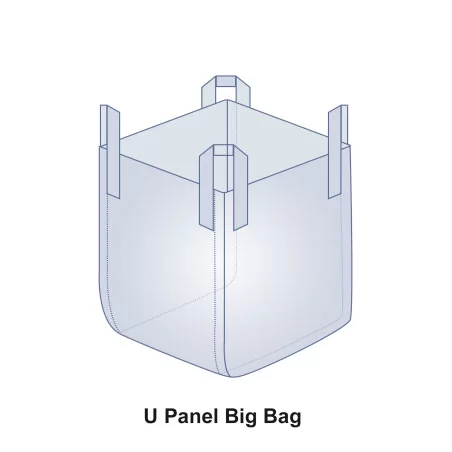
Not all industrial needs are the same, which is why woven polypropylene bulk bags come in various configurations. Whether you need a "U-Panel" bag for maximum stability or a "Circular" bag for cost-efficiency, there is a design for every scenario. Some bags feature dust-proof seams to prevent leakage of fine powders, while others include internal PE liners to provide a moisture barrier for hygroscopic materials. The addition of lifting loops allows for easy movement via forklifts or cranes, significantly speeding up the loading and unloading processes in fast-paced industrial environments.

Comparing Woven Polypropylene Bulk Bags vs. Traditional Sacks
When comparing woven polypropylene bulk bags to traditional 25kg or 50kg sacks, the advantages in efficiency are staggering. Traditional sacks require significantly more manual labor for filling, sealing, and transporting. In contrast, bulk bags allow for the movement of 500kg to 2,000kg in a single lift. This reduction in handling not only lowers labor costs but also decreases the likelihood of product spillage and contamination. For large-scale operations, transitioning to FIBCs is often the fastest way to optimize the supply chain.
Technical Specifications of Woven Polypropylene Bulk Bags
When ordering woven polypropylene bulk bags, understanding the technical specifications is critical for safety and compliance. The Safety Factor (SF) is perhaps the most important metric; a 5:1 SF means the bag is tested to hold five times its rated capacity before failing. Additionally, the fabric density (measured in gsm) determines the bag's puncture resistance. Whether you require Type A (standard), Type B (low charge), Type C (conductive), or Type D (dissipative) bags, each is designed to handle specific electrostatic risks associated with different materials.
Sustainability and the Lifecycle of PP Bulk Bags
In an era of increasing environmental awareness, the sustainability of woven polypropylene bulk bags is a significant advantage. Polypropylene is a 100% recyclable thermoplastic. Many companies have implemented circular economy practices where used bags are collected, cleaned, and pelletized to create new plastic products. Furthermore, because a single bulk bag replaces dozens of smaller plastic sacks, the overall volume of plastic waste is reduced. By choosing high-quality bags with a higher safety factor, businesses can also utilize multi-trip bags, further reducing the environmental footprint of their packaging operations.
Best Practices for Using and Maintaining Bulk Bags
To ensure maximum safety and efficiency when using woven polypropylene bulk bags, following a few basic guidelines is essential. First, always inspect the lifting loops for signs of wear or fraying before every lift. Second, ensure the bag is placed on a level surface to prevent tipping during the filling process. Third, avoid using sharp objects near the fabric to prevent punctures. Finally, when stacking bags, ensure they are aligned correctly to maintain the stability of the entire pile. Proper handling not only protects the product but also ensures the safety of the warehouse personnel.
Conclusion: Optimizing Your Logistics with Premium Bulk Bags
Choosing the right packaging is not just about containing a product; it is about optimizing the entire supply chain. woven polypropylene bulk bags provide a professional, durable, and cost-effective solution for any business dealing with large volumes of materials. From their incredible strength-to-weight ratio to their recyclable nature, these bags empower industries to move faster and safer. By investing in high-quality FIBCs, you are investing in the reliability and scalability of your operations. Trust the strength of woven polypropylene to carry your business forward.
Frequently Asked Questions (FAQs)
What is the difference between a Type A and Type C bulk bag?
The primary difference lies in their electrostatic properties. Type A bags are standard woven polypropylene bags with no specific static protection and should not be used with flammable materials. Type C bags, however, are conductive bags designed to be grounded. They feature conductive threads woven into the fabric, allowing static electricity to flow safely to the ground via a grounding strap. This is critical in environments where explosive dusts or flammable vapors are present, as it prevents static sparks that could trigger an explosion.
Can woven polypropylene bulk bags be reused?
Yes, but it depends on the bag's original design. Most bulk bags are designed for a single trip (5:1 Safety Factor). However, "multi-trip" bags are specifically engineered with a higher safety factor (typically 6:1) and reinforced fabrics to allow for multiple fill and empty cycles. Before reusing any bag, it is mandatory to perform a thorough inspection of the fabric and lifting loops. If any tears, fraying, or significant UV degradation are found, the bag should be recycled and replaced to avoid catastrophic failure during lifting.
How do I choose the right size and weight capacity for my product?
Choosing the right bag involves considering both the bulk density of your material and the safe working load (SWL). If your product is very dense (like sand), you will need a smaller bag to reach a 1,000kg limit. If your product is light and fluffy (like expanded polystyrene), you will need a much larger volume bag to hold the same weight. We recommend calculating the volume of your material (Weight ÷ Density) and matching it with the internal dimensions of the bag to ensure a proper fit and stable center of gravity.
Are these bags waterproof?
Standard woven polypropylene is water-resistant but not waterproof, as there are tiny gaps between the weaves. However, for products that must remain completely dry, we offer bags with an integrated PE (polyethylene) liner. This liner acts as a waterproof sleeve inside the woven bag, preventing moisture from entering and protecting the contents from humidity or rain. Additionally, some bags can be coated with a lamination layer to further reduce permeability and increase strength.




Hit enter to search or ESC to close


