
Industrial Packaging Guide for woven polypropylene pp bags
April 16, 2026
The Ultimate Guide to Woven Polypropylene PP Bags for Industrial Packaging
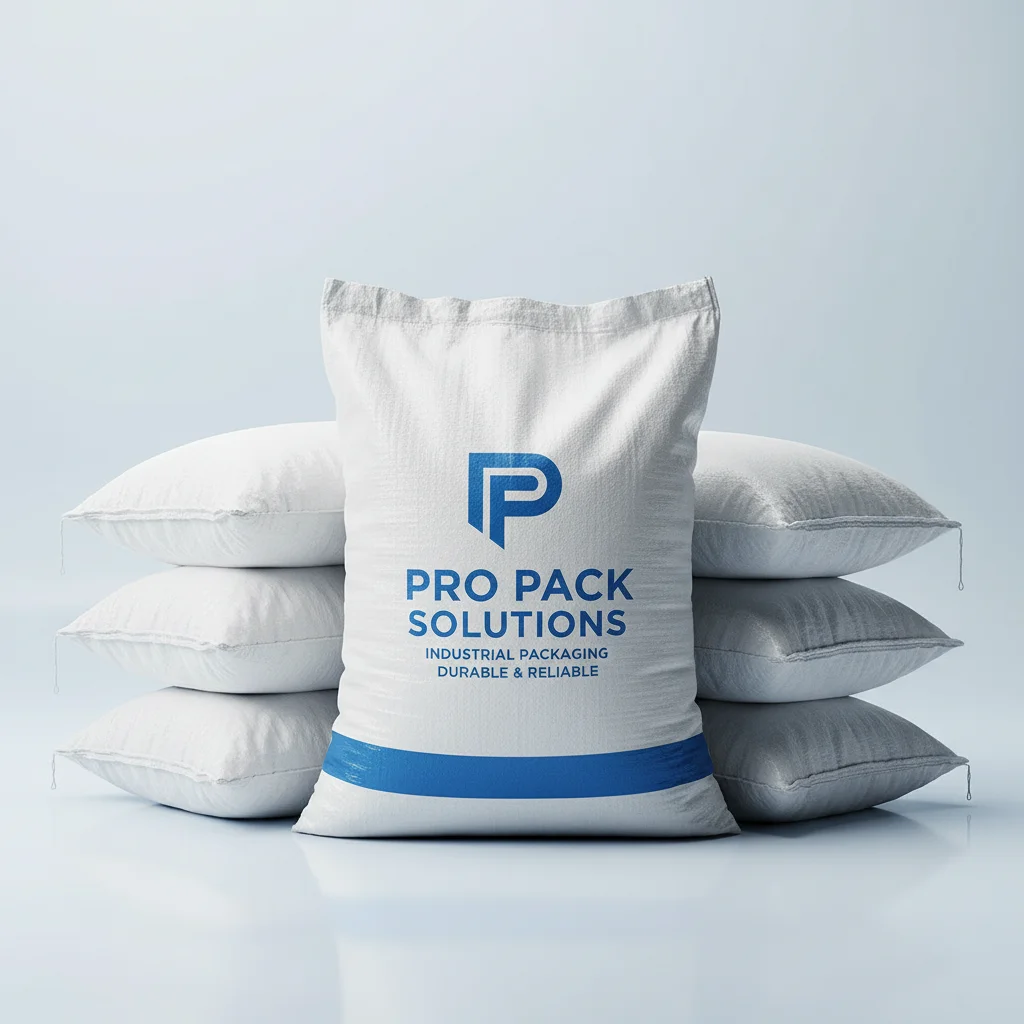
In the world of global logistics and industrial storage, selecting the right packaging material can make or break your supply chain efficiency. woven polypropylene pp bags have emerged as the gold standard for transporting heavy-duty materials due to their incredible tensile strength and cost-effectiveness. Whether you are dealing with agricultural grains, chemical powders, or construction debris, these bags provide a reliable barrier against external elements while ensuring the safety of the contents. In this comprehensive guide, we will explore why PP woven bags are the preferred choice for businesses worldwide and how to select the perfect specifications for your specific needs.
What Exactly are Woven Polypropylene PP Bags?
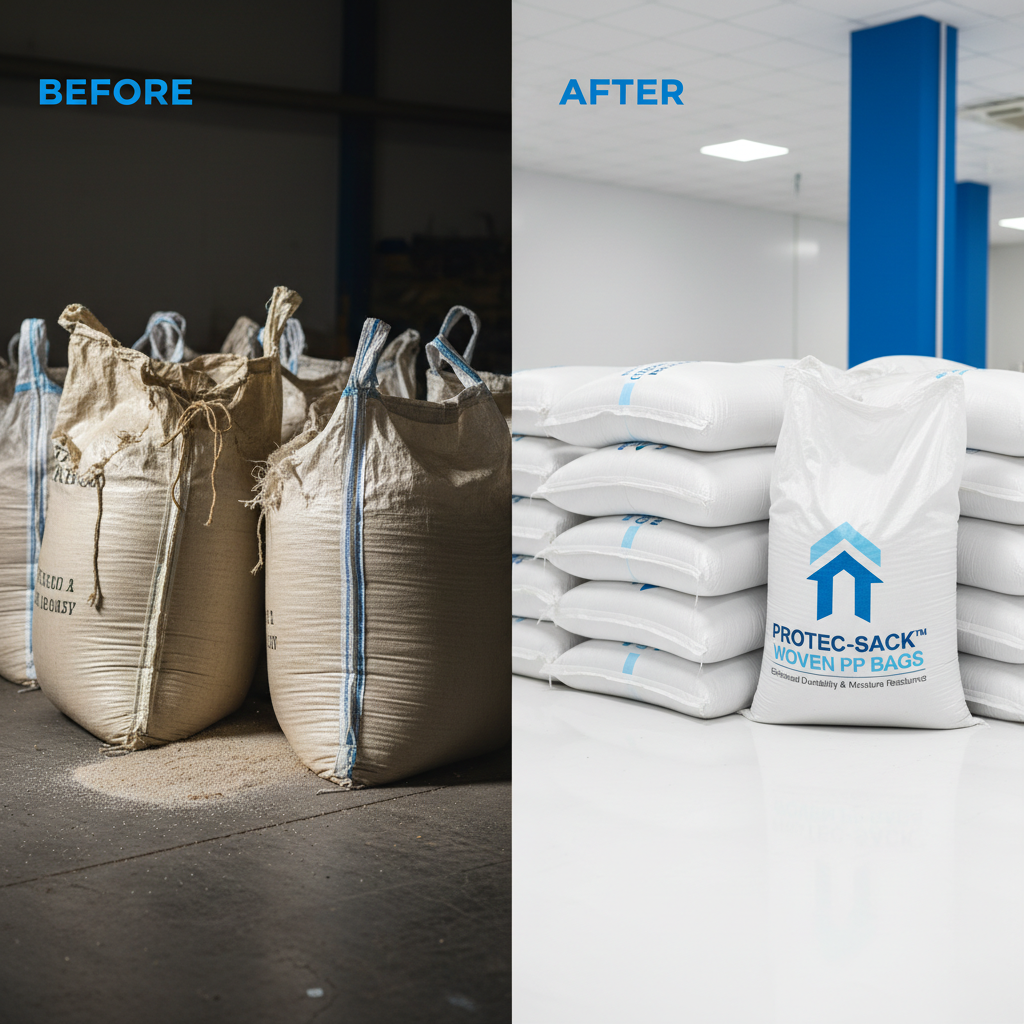
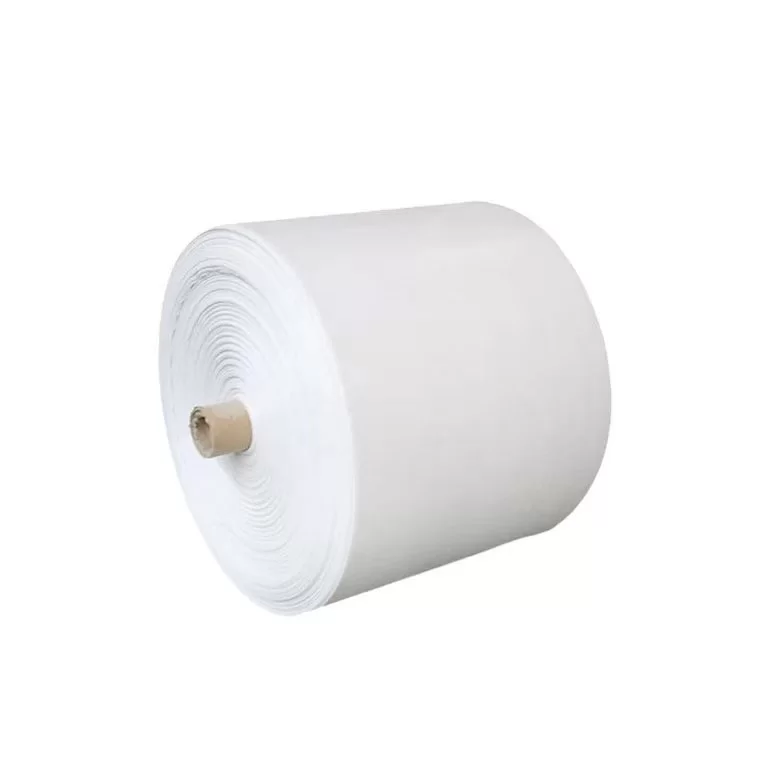
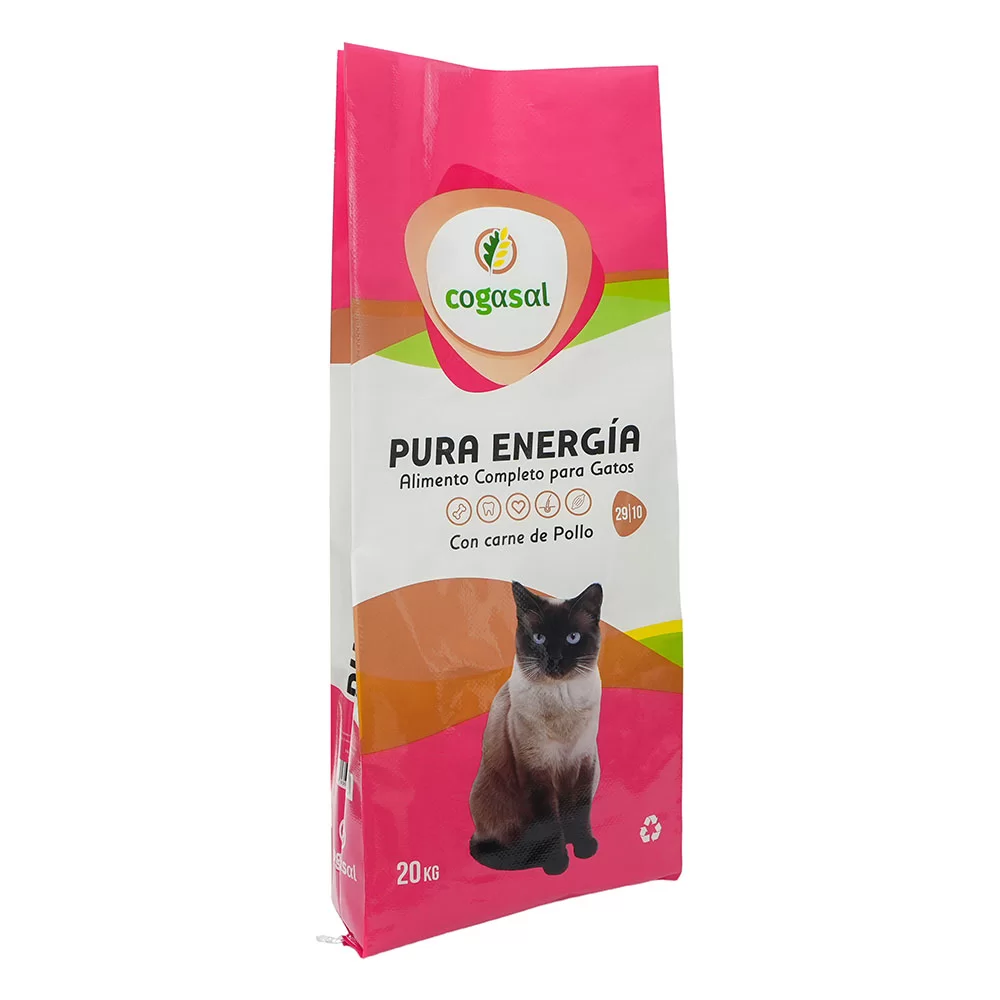
To understand the power of woven polypropylene pp bags, one must look at the manufacturing process. These bags are created by extruding polypropylene resin into thin tapes, which are then woven together in two directions (warp and weft). This weaving process creates a fabric that is significantly stronger than non-woven alternatives. Polypropylene (PP) is a thermoplastic polymer known for its high resistance to fatigue and chemical corrosion, making these bags ideal for harsh environments. Because they are lightweight yet durable, they reduce overall shipping costs without compromising the integrity of the product.
Core Advantage: The interlocking weave ensures that if a small puncture occurs, the tear does not easily propagate across the entire bag, keeping your valuable cargo secure during transit.
Key Benefits of Using Woven Polypropylene PP Bags
The adoption of woven polypropylene pp bags across diverse sectors isn't accidental. Their primary appeal lies in their versatility and resilience. These bags are naturally resistant to moisture and many organic solvents, which is critical for agricultural exports. Furthermore, they are highly customizable; they can be laminated for extra waterproofing or treated with UV stabilizers to prevent degradation when stored under direct sunlight. For companies focusing on sustainability, PP is a recyclable plastic, allowing businesses to integrate them into a circular economy model.
Why Choose PP Woven Bags?
• Extreme Durability: High tear and puncture resistance.
• Chemical Stability: Resistant to acids and bases.
• Lightweight: Optimizes freight and handling costs.
• Breathability: Natural weave allows air circulation for crops.
Comparative Analysis: PP Woven vs. Other Packaging
When choosing between woven polypropylene pp bags and traditional materials like jute or paper, the performance gap is evident. Jute is biodegradable but absorbs moisture, leading to mold. Paper is eco-friendly but lacks the strength for heavy-duty industrial use. PP woven bags bridge this gap by providing the strength of a synthetic material with the flexibility required for bulk handling. The following table highlights the distinct advantages of choosing PP woven materials for your logistics needs.
Industrial Applications of Woven Polypropylene PP Bags
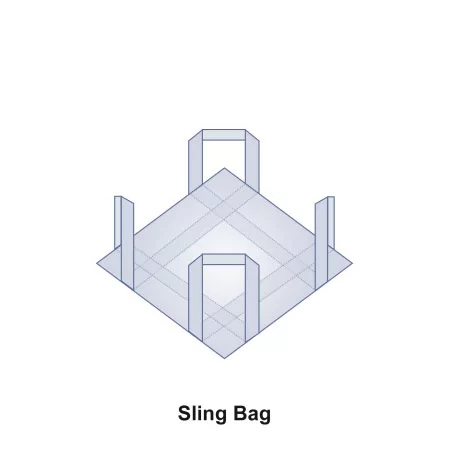
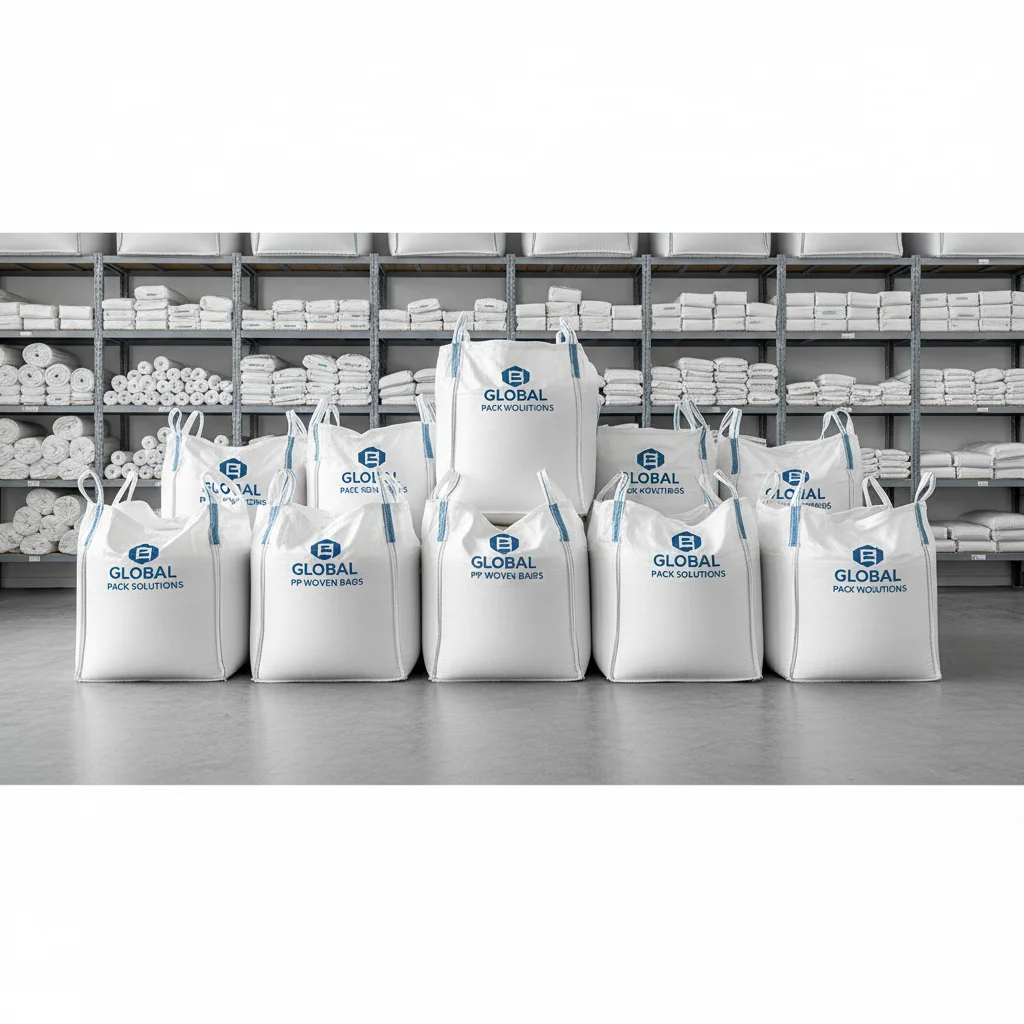
The adaptability of woven polypropylene pp bags allows them to serve multiple industries. In agriculture, they are used for rice, maize, and animal feed, where breathability prevents spoilage. In the chemical sector, these bags are designed to hold granules and powders without leaking. For the construction industry, they are the primary choice for transporting sand and gravel. Beyond these, they are frequently used as "big bags" or FIBCs (Flexible Intermediate Bulk Containers) for transporting tonnes of material in a single lift, drastically reducing manual labor and increasing safety on site.
Technical Specifications for Custom Woven Polypropylene PP Bags
When ordering woven polypropylene pp bags, understanding the technical parameters is essential to ensure the bag doesn't fail under pressure. Key metrics include the mesh count (density of the weave), the GSM (grams per square meter), and the denier (thickness of the yarn). A higher denier typically indicates a stronger bag capable of carrying heavier loads. Below is a standard specification table for common industrial grade PP bags.
Conclusion: Optimizing Your Packaging with PP Woven Bags
Choosing high-quality woven polypropylene pp bags is a strategic decision that enhances operational safety, reduces waste, and lowers shipping costs. From their superior tensile strength to their versatile customization options, these bags provide the reliability needed for modern industrial demands. By partnering with a professional manufacturer, you can ensure your packaging is perfectly tailored to your product's weight and environmental exposure. Invest in the right materials today to safeguard your goods tomorrow.
Frequently Asked Questions (FAQs)
Are woven polypropylene pp bags recyclable?
Yes, polypropylene (PP) is a thermoplastic polymer, which means it can be melted down and repurposed into new plastic products. To recycle woven polypropylene pp bags, they should be cleaned of any residue and sent to a facility that accepts PP (Plastic #5). By recycling these bags, businesses can significantly reduce their environmental footprint while utilizing a material that is fundamentally sustainable if managed through proper waste streams.
Can these bags be used for food-grade products?
Absolutely. Many woven polypropylene pp bags are manufactured using 100% virgin resin, making them safe for food-grade materials like flour, sugar, and grains. For extra protection against moisture or contamination, these bags can be fitted with an internal PE liner. It is always recommended to specify "food-grade" requirements during the ordering process to ensure the manufacturer adheres to the necessary health and safety certifications.
What is the difference between laminated and non-laminated PP bags?
Non-laminated bags are breathable, allowing air to pass through the weave, which is ideal for vegetables or seeds that need to "breathe" to avoid rot. Laminated woven polypropylene pp bags have a thin layer of PP film applied to the surface, which seals the gaps in the weave. This makes them water-resistant and provides a smoother surface for high-quality printing, making them perfect for chemicals or products that must stay dry in humid environments.
How do I determine the right bag size and strength for my product?
The first step is to calculate the volume and weight of your product. For heavy loads (over 25kg), a higher GSM and denier are required to prevent bursting. You should also consider the loading method; if the bags are being dropped from a height or handled by machinery, reinforced stitching and higher tensile strength are necessary. We recommend consulting with a specialist at ssjtpack.com to get a customized recommendation based on your product's density and handling process.
Hit enter to search or ESC to close


