In the complex landscape of global logistics and industrial packaging, pp woven sacks have emerged as an indispensable solution for the transport of bulk materials. These versatile containers, engineered from high-strength polypropylene polymers, provide a unique balance of lightweight properties and extreme durability, ensuring that granular and powdered goods reach their destination without leakage or contamination.
The global shift toward efficiency in the supply chain has highlighted the importance of selecting packaging that can withstand rigorous handling while remaining cost-effective. From agricultural harvests in Southeast Asia to chemical resins in Northern Europe, the adoption of advanced weaving techniques has transformed how industries manage volume and weight, reducing waste and enhancing operational safety across the board.
Understanding the technical nuances of pp woven sacks is not merely a matter of procurement but a strategic decision that affects the entire product lifecycle. By optimizing the denier, weave density, and coating specifications, businesses can significantly lower their carbon footprint and logistics costs, making these sacks a cornerstone of modern sustainable industrial packaging.
The Fundamental Engineering of PP Woven Sacks
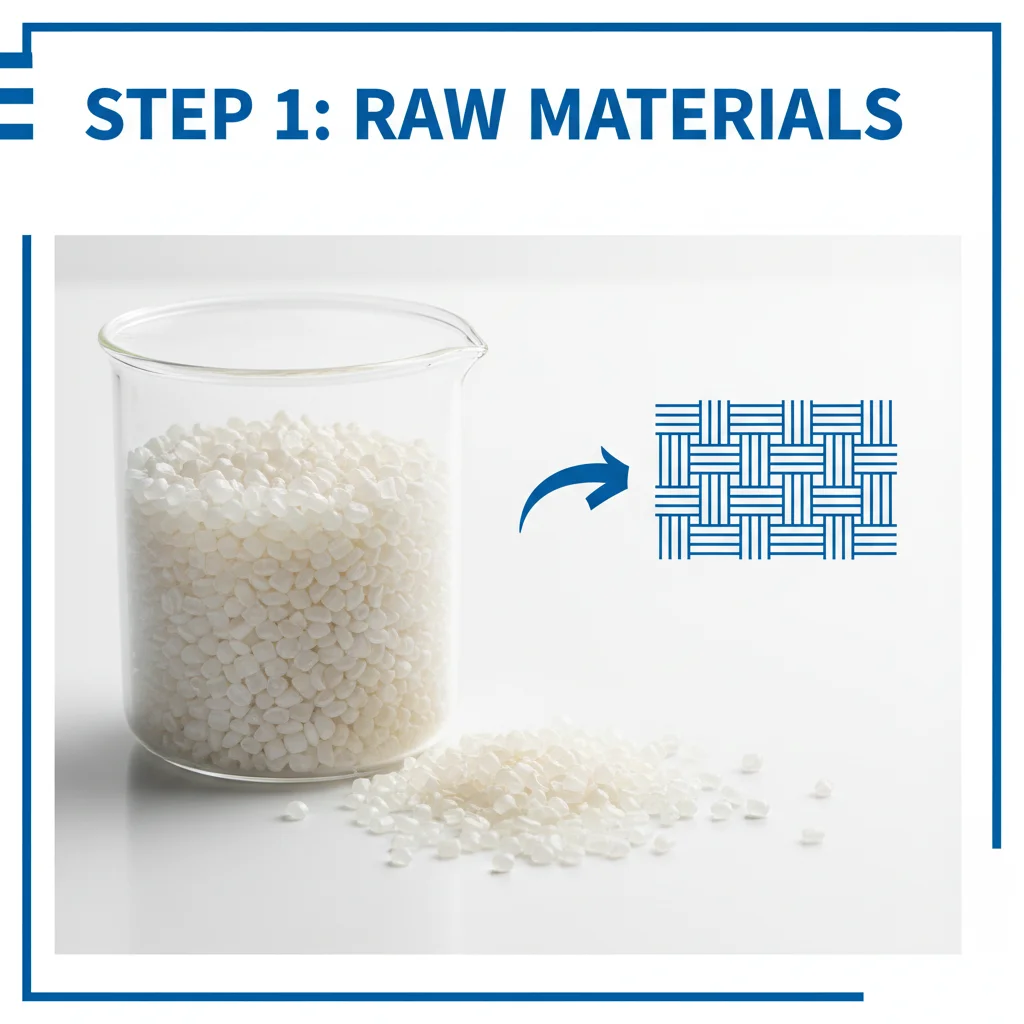
At its core, the manufacturing of pp woven sacks involves the extrusion of polypropylene resin into thin tapes, which are then stretched to align the molecular structure and increase tensile strength. This weaving process creates a crisscross pattern that distributes weight evenly across the surface of the bag, preventing tears even when subjected to high internal pressure from heavy loads.
The structural integrity is further enhanced through optional lamination or coating, which transforms a breathable woven fabric into a moisture-proof barrier. This engineering flexibility allows manufacturers to customize the sacks for everything from breathable grain storage to airtight chemical transport, ensuring the contents remain pristine regardless of the external environment.
Global Industry Context and Market Demand
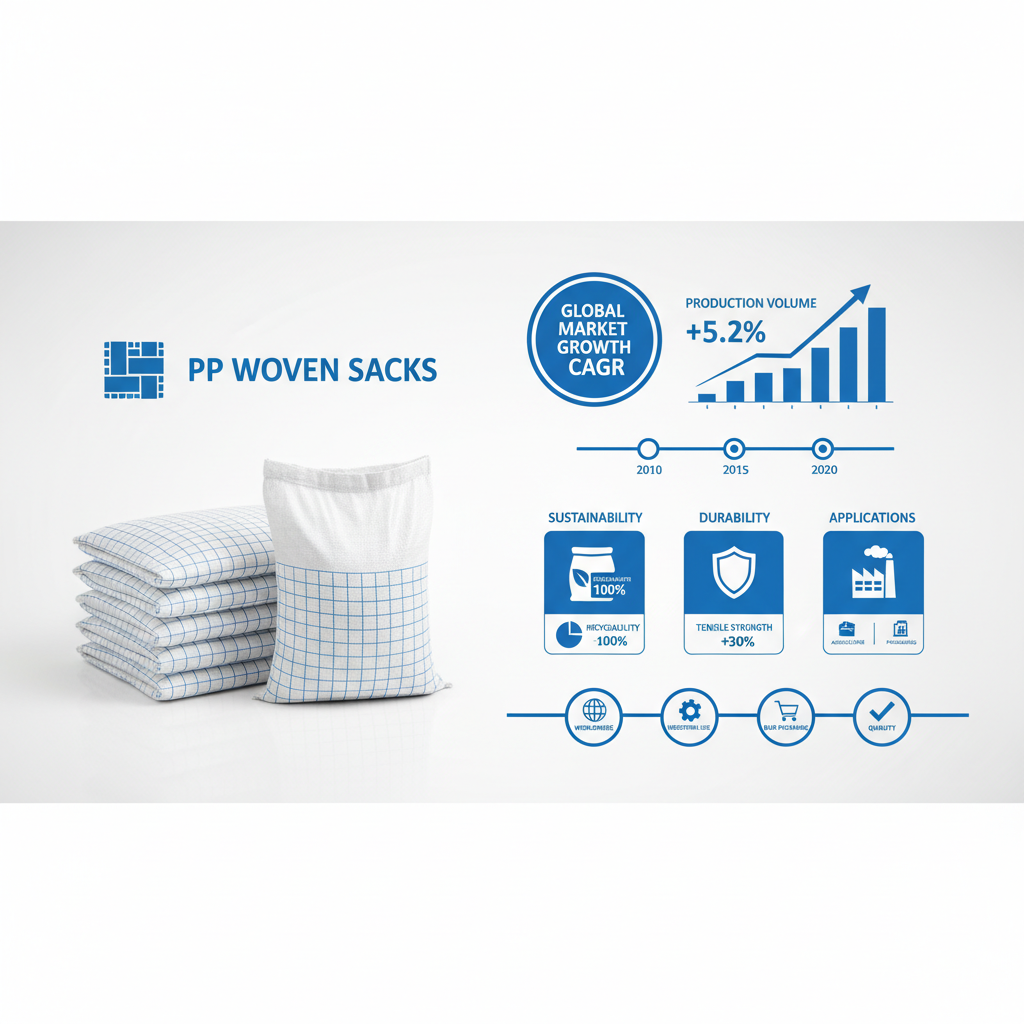
On a global scale, the demand for pp woven sacks is driven by the relentless growth of the agricultural and mining sectors. According to industry trends aligned with ISO standards for packaging, the need for reliable bulk containment has surged as emerging economies scale up their export capabilities. The ability to move tons of urea, cement, or rice efficiently depends heavily on the reliability of the primary packaging.
However, the industry faces a critical challenge: the balance between cost-efficiency and environmental impact. While polypropylene is prized for its strength-to-weight ratio, the global push toward a circular economy is forcing a transition toward recyclable and biodegradable additives. Companies are now optimizing the thickness of their sacks to reduce plastic consumption without compromising the safety of the cargo.
In regions such as Sub-Saharan Africa and Southeast Asia, these sacks are more than just industrial tools; they are vital for food security. By preventing spoilage and pest infestation during transit from farm to market, high-quality woven packaging directly contributes to the stability of local food supplies and the economic viability of small-scale farmers.
Core Components of High-Performance Packaging
The primary factor defining the quality of pp woven sacks is the tensile strength of the woven tapes. By controlling the extrusion temperature and the draw ratio, manufacturers can ensure that the sacks do not stretch excessively under load, which is crucial for maintaining stable pallets during sea freight.
Another critical component is the UV stabilization process. Since many pp woven sacks are stored outdoors or in open-air warehouses, the addition of UV inhibitors prevents the polymer chains from breaking down under sunlight, extending the bag's lifespan from a few weeks to several months.
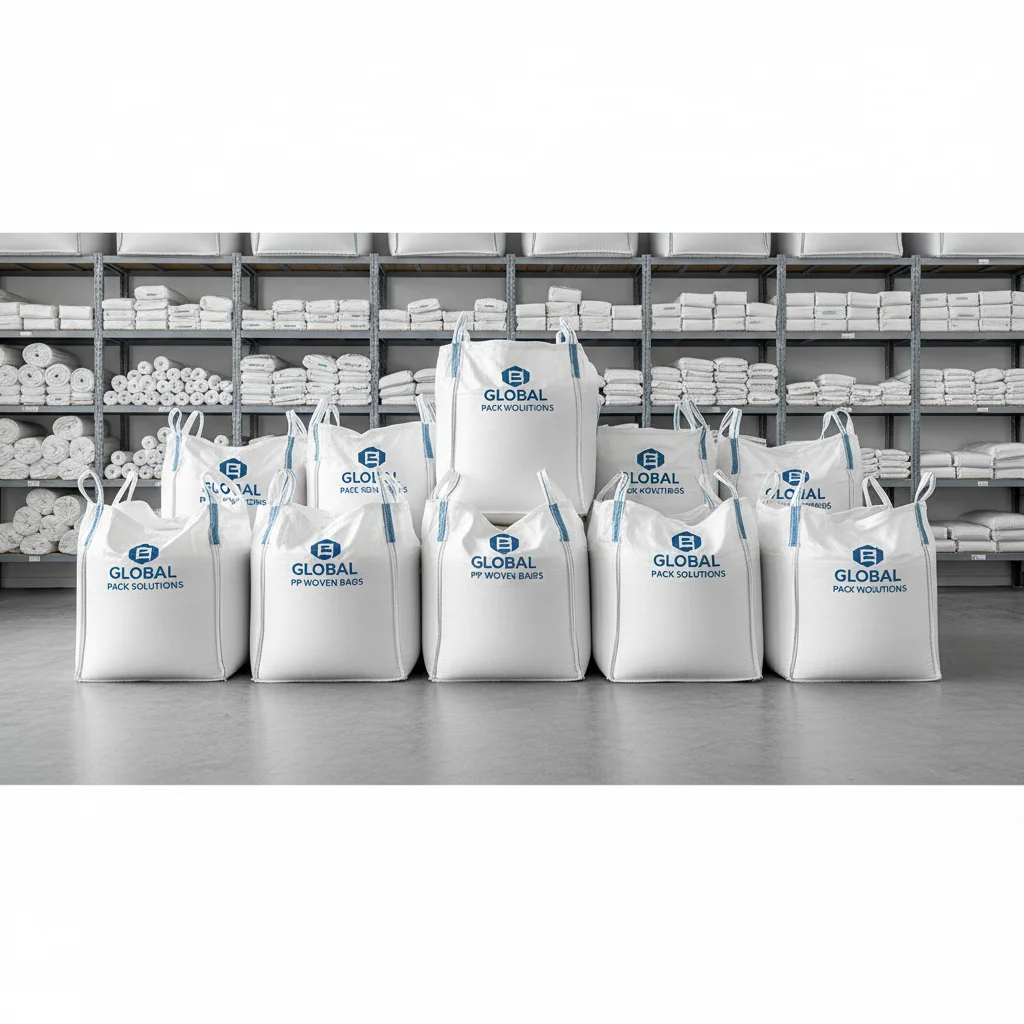
Finally, the closure system—whether it be a heat-sealed top, a sewn hem, or a valve closure—determines the sack's suitability for automated filling lines. The integration of these components ensures that the final product is not just a bag, but a precision-engineered tool for industrial logistics.
Evaluating Operational Efficiency and Durability
When analyzing the performance of pp woven sacks, we must look at the trade-off between fabric weight (GSM) and break strength. A higher density weave provides superior puncture resistance, which is essential for materials with jagged edges, such as crushed minerals or certain recycled plastics.
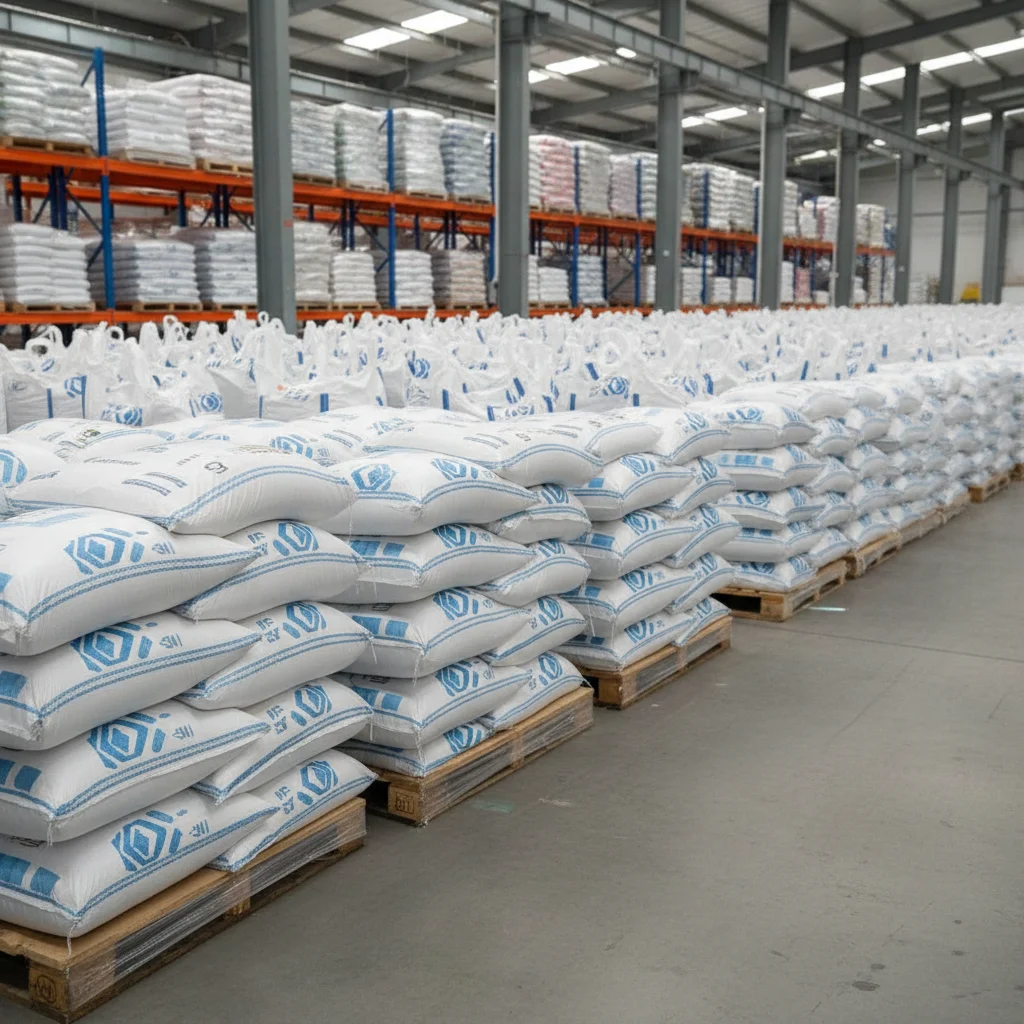
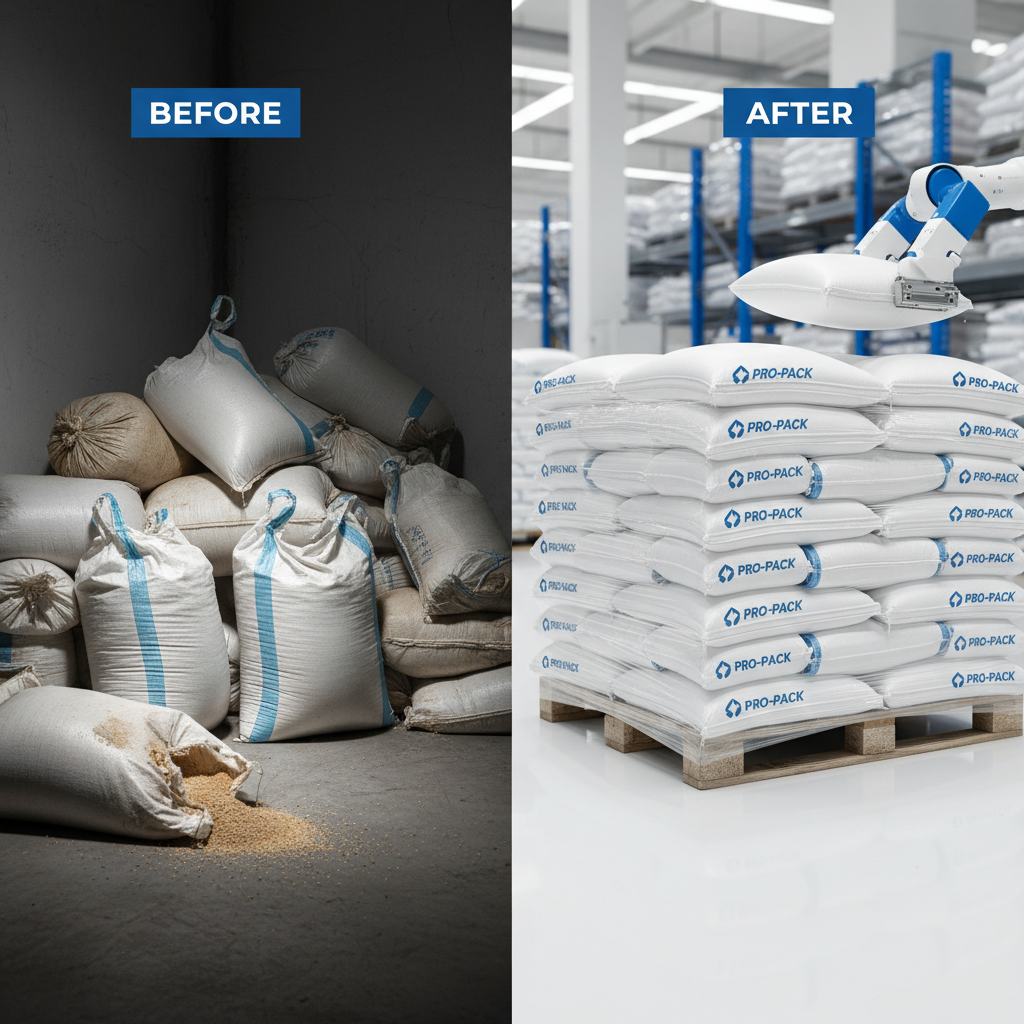
Operational efficiency is also measured by the "filling speed" and "stacking stability." Sacks with a block-bottom design allow for better vertical stacking, maximizing warehouse space and reducing the risk of pallet collapse during transit, which directly lowers insurance costs for shippers.
Performance Metrics of Various PP Woven Sacks Types
Diverse Global Applications and Use Cases
The versatility of pp woven sacks makes them ideal for a vast array of sectors. In the agricultural industry, they are the gold standard for transporting grains, seeds, and animal feed, where breathability is required to prevent moisture buildup and mold growth.
Beyond farming, these sacks are critical in the construction sector for the distribution of cement and lime. By utilizing "Valve Bags" (a specialized type of woven sack), manufacturers can automate the filling process to high speeds while ensuring a dust-free environment, protecting workers and reducing material loss.
Long-Term Value and Sustainability Benefits
From a commercial perspective, the long-term value of pp woven sacks lies in their recyclability. Unlike multi-layer foil packaging, pure polypropylene can be melted down and pelletized to create new plastic products, contributing to a closed-loop manufacturing system.
Furthermore, the reliability of these sacks reduces "product shrinkage"—the loss of material due to packaging failure. For a company shipping thousands of tons of resin, a 1% reduction in leakage thanks to superior weave quality can translate into hundreds of thousands of dollars in saved revenue annually.
There is also an emotional layer of trust involved. When a customer receives a shipment in a pristine, sturdy sack, it reflects the quality of the product inside. High-quality packaging signals professionalism and a commitment to safety, strengthening the bond between the supplier and the end-user.
Future Innovations in Polymer Weaving
The future of pp woven sacks is being shaped by "smart materials." We are seeing the integration of RFID tags and QR codes directly into the weave or the BOPP lamination, allowing for real-time tracking of bulk shipments across global borders.
Additionally, the industry is experimenting with bio-based polypropylene, derived from renewable organic sources rather than petroleum. This shift aims to maintain the legendary strength of the woven sack while drastically reducing the carbon intensity of the production process.
Automation in the sewing and cutting phases is also reducing human error, leading to more consistent dimensions and seam strengths. As AI-driven quality control becomes standard, the variance in sack performance will vanish, leading to an era of "zero-failure" industrial packaging.
Technical Specification Analysis of Future PP Woven Sacks
|
Innovation Type
|
Key Material Improvement
|
Impact on Durability
|
Eco-Friendly Rating
|
| Bio-PP Weave |
Renewable Feedstock |
Equal to Virgin PP |
9/10 |
| Nano-Coated Lamination |
Si-O2 Barrier Layer |
Increased Puncture Resistance |
7/10 |
| Smart-Trace Weave |
Conductive Polymer Threads |
Neutral Impact |
6/10 |
| High-Density Circular |
Seamless Tube Weave |
Superior Burst Strength |
8/10 |
| Degradable Additive PP |
Pro-oxidant Catalyst |
Slightly Lower Long-term |
10/10 |
| Hybrid Fiber Blend |
PP + Recycled PET |
Higher Abrasion Resistance |
8/10 |
FAQS
PP woven sacks offer significantly higher moisture resistance and consistency in strength compared to jute. Unlike jute, they are not prone to rotting or mold when exposed to damp environments, and they are much lighter, which reduces shipping costs while maintaining a higher load-bearing capacity per unit of weight.
With proper UV stabilization additives, high-quality pp woven sacks can typically withstand direct sunlight for 6 to 12 months without losing significant structural integrity. However, for multi-year storage, we recommend using an additional outer layer or sheltered storage to maximize longevity.
Yes, they are highly cost-effective due to their lightweight nature and high durability. From an eco-perspective, they are 100% recyclable. Many industries are now implementing "take-back" programs where used sacks are collected and recycled into other plastic products, reducing the total environmental footprint.
Absolutely. By adding internal PE liners or applying specialized lamination, we can create a barrier that prevents chemical seepage and protects the contents from humidity. The weave density can also be adjusted to ensure the sack meets the specific safety requirements of hazardous material transport.
BOPP laminated bags feature a biaxially-oriented polypropylene film that allows for high-resolution photo printing and provides a superior moisture barrier. Standard woven sacks are primarily functional and breathable, whereas BOPP bags combine heavy-duty strength with premium marketing aesthetics and enhanced protection.
Buyers should request technical data sheets specifying the denier, GSM, and break-strength tests. Ensuring the manufacturer follows ISO standards and providing samples for third-party laboratory testing for UV resistance and tensile strength are the best ways to guarantee quality before bulk shipping.
Conclusion
In summary, pp woven sacks represent the perfect intersection of material science and logistical utility. From their fundamental engineering in polymer extrusion to their critical role in global food security and industrial transport, these containers provide unmatched durability, cost-efficiency, and adaptability. By focusing on key factors like UV stabilization, weave density, and recyclability, businesses can optimize their supply chains while reducing waste.
Looking forward, the integration of smart tracking and bio-based polymers will further elevate the status of woven packaging from a simple commodity to a high-tech logistical asset. For companies seeking to enhance their operational reliability and sustainability, investing in precision-engineered packaging is no longer optional—it is a competitive necessity. Explore our full range of solutions and optimize your bulk packaging today. Visit our website: www.ssjtpack.com