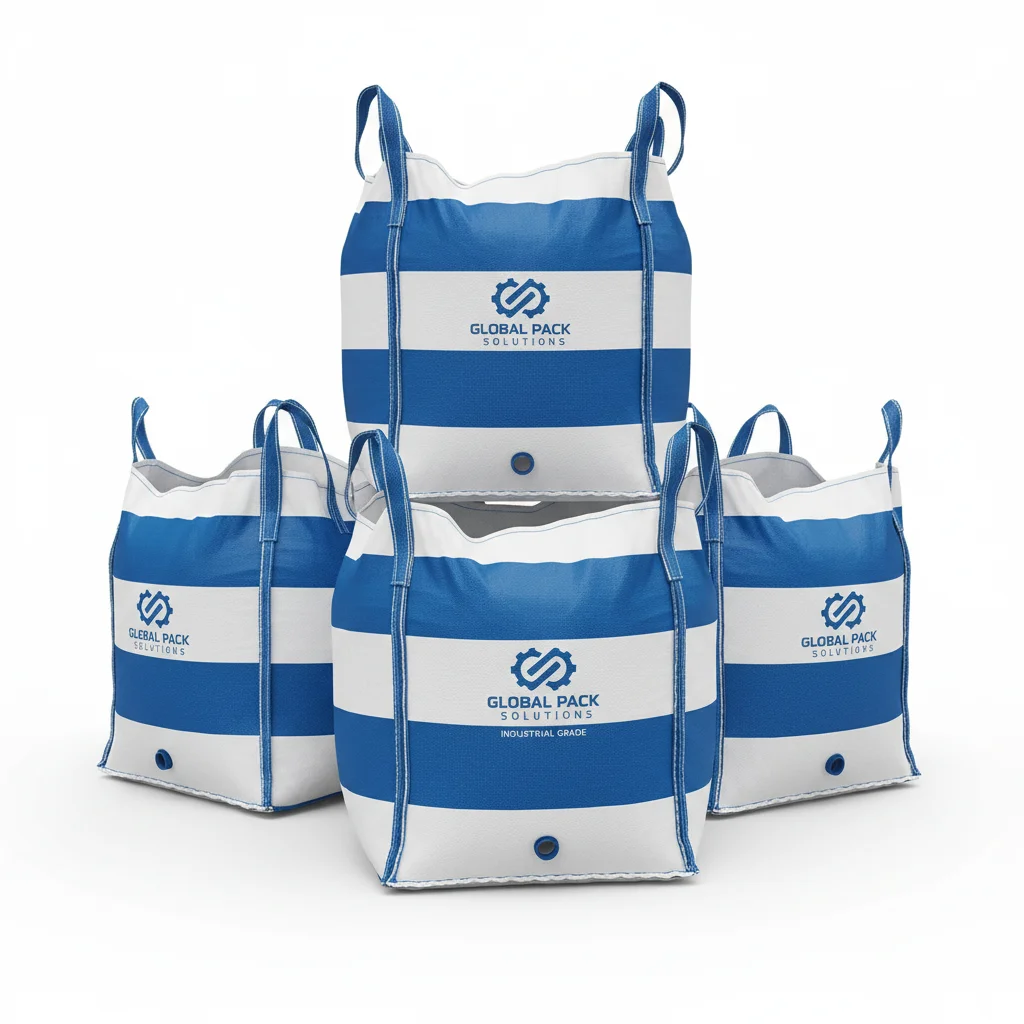
When sourcing heavy-duty packaging for industrial powders or granular materials, the structural integrity of the bag bottom often becomes the primary point of failure during transit and stacking. Many procurement managers struggle with leakage or rupture in traditional sewn bags, which can lead to significant product loss and contamination in sensitive sectors like fine chemicals or building materials. This is where the strategic choice of a pinch bottom bag manufacturer becomes critical, as this specific design eliminates the traditional bottom seam in favor of a folded and sealed closure.
The importance of the pinch-bottom design lies in its ability to provide a leak-proof, sift-proof environment that is far superior to standard open-mouth or simple valve bags. By utilizing a specialized folding mechanism, these bags ensure that the contents are securely contained even under the pressure of high-stacking in warehouses. For businesses dealing with PP woven fabric or BOPP laminated materials, integrating pinch-bottom technology means reducing the risk of breakage and enhancing the overall professional presentation of the brand on the retail shelf or industrial pallet.
Navigating the technical specifications of these packaging solutions requires an understanding of material compatibility and sealing precision. This article analyzes the functional mechanics of pinch-bottom bags, the key criteria for evaluating a manufacturing partner, and how this technology compares to other heavy-duty options like Block Bottom Valve Bags. By examining the intersection of structural engineering and material science, we provide a comprehensive guide for optimizing your packaging workflow for maximum durability and efficiency.


The pinch bottom bag is a sophisticated evolution of the traditional woven bag, specifically engineered to solve the "bottom leak" problem. Unlike sewn bags where a needle creates thousands of microscopic holes, the pinch bottom process involves folding the bottom of the bag and sealing it using heat or specialized adhesives. This creates a continuous, airtight barrier that prevents fine powders—such as those found in fine chemicals or building materials—from escaping through the seam.
From a structural perspective, the design distributes the weight of the contents more evenly across the base of the bag. When filled, the pinch-bottom geometry allows the bag to stand more upright and stable, which is a significant advantage for automated filling lines and pallet stability. Hebei Shengshi Jintang Packaging incorporates these precision folding techniques to ensure that the tension is balanced, preventing the "ballooning" effect common in lower-quality PP woven bags.
The reliability of a pinch bottom bag depends heavily on the interaction between the material substrate and the sealing method. Polypropylene (PP) woven fabric provides the necessary tensile strength, but the addition of a BOPP laminate or a specialized coating is often required to ensure the adhesive bonds correctly to the surface. If the surface energy of the plastic is too low, the seal may delaminate under heavy loads, leading to catastrophic bag failure.
Precision in the "pinch" fold is the single most important variable; a deviation of even a few millimeters in the fold alignment can create a channel for powder leakage, compromising the entire batch's integrity during long-distance shipping.
Furthermore, the environmental conditions of the filling process, such as humidity and temperature, can affect the bonding of the bottom seal. A professional manufacturer must calibrate their equipment to account for these variables, ensuring that the seal is neither too brittle (which would crack under impact) nor too soft (which would stretch and open). This balance is what separates industrial-grade packaging from generic alternatives.
Implementing pinch bottom bags directly impacts the total cost of ownership in the supply chain. By virtually eliminating sift-through and leakage, companies reduce the amount of wasted product and the labor costs associated with cleaning contaminated warehouses. Moreover, the improved squaring of the bag allows for tighter packing on pallets, which can optimize shipping container space and reduce the number of required trips.
Beyond the physical logistics, there is a significant brand value associated with the clean appearance of pinch bottom bags. In the pet feed and grain sectors, a bag that remains pristine without powder dusting on the exterior signals a higher quality of production to the end consumer. This aesthetic reliability, combined with the structural strength of the PP woven fabric, ensures that the product reaches the customer in the exact condition it left the factory.
In the fine chemicals industry, the pinch bottom design is indispensable for handling hygroscopic powders that must be kept away from atmospheric moisture. The airtight nature of the sealed bottom, often paired with a BOPP laminated layer, provides a critical barrier that maintains product purity. This is particularly vital for specialized polymers and additives where any contamination can render the product unusable for the end client.
Similarly, in the construction sector for materials like pre-mixed mortars or specialized cements, the bags must withstand extreme handling and abrasion. The high-tensile strength of PP woven bags, combined with the reinforced pinch bottom, ensures that the bags do not burst when dropped or shifted during rapid unloading. This durability reduces the frequency of onsite spills and improves the safety of the construction environment.
The packaging industry is moving toward a circular economy, and PP woven bags are evolving to meet these standards. The current trend is the integration of mono-material constructions, where both the woven fabric and the laminates are made from the same polymer family. This makes the pinch bottom bags significantly easier to recycle compared to multi-material composites, which often require complex separation processes.
Advancements in biodegradable additives are also being explored to reduce the long-term environmental footprint of industrial bags. While the strength requirements of FIBCs and heavy-duty valve bags remain a challenge for bio-plastics, the industry is seeing a shift toward "down-gauging"—reducing the amount of plastic used without sacrificing the burst strength of the bag, thanks to higher-tenacity polypropylene fibers.
Finally, digitalization is entering the packaging space. The use of QR codes and RFID tags integrated into the BOPP lamination allows for better traceability of bulk shipments. This ensures that the logistics chain can track the origin and batch of the materials, enhancing quality control and ensuring that the sustainable efforts of the manufacturer are transparent to the buyer.
One of the most common challenges when switching to pinch bottom bags is the compatibility with existing filling machinery. Standard sewing machines must be replaced or augmented with heat-sealing or adhesive-application units. This initial capital expenditure is often a hurdle, but it is typically offset by the reduction in product waste and the increase in filling speed provided by the more stable bag geometry.
Another technical issue is "seal creep," where the bottom fold begins to shift under extreme vertical pressure in very high stacks. To solve this, engineers at Hebei Shengshi Jintang Packaging recommend optimizing the overlap width of the pinch fold. Increasing the surface area of the seal ensures that the bond can distribute the load more effectively, preventing the seal from peeling under the weight of several tons of product.
Lastly, the choice of adhesive must be matched to the product's chemical nature. Some aggressive chemicals can degrade standard adhesives, leading to premature seal failure. The solution lies in utilizing chemically resistant bonding agents or switching to a full thermal weld, which creates a molecular bond between the PP layers that is impervious to most industrial solvents.
| Feature | Sewn Bottom | Valve Bag | Pinch Bottom | FIBC (Big Bag) |
|---|---|---|---|---|
| Leakage Risk | High | Medium | Very Low | Low |
| Filling Speed | Medium | High | High | Medium |
| Stack Stability | Low | Medium | High | Very High |
| Dust Protection | Poor | Good | Excellent | Excellent |
| Unit Cost | Lowest | Medium | Medium-High | Highest |
| Recyclability | High | High | High | Medium |
A pinch bottom bag is a packaging solution where the bottom is not sewn but is instead folded and sealed using heat or adhesive. This creates a sift-proof and leak-proof closure that is ideal for fine powders and granular materials, eliminating the needle holes associated with traditional stitching.
Yes, provided the manufacturer uses food-grade PP resin and approved adhesives. Many pinch bottom bags are used for pet feed and grains because the sealed bottom prevents contamination and keeps the product fresh by reducing air exchange through the seams.
The choice depends on your filling equipment and product fineness. Valve bags are excellent for high-speed automated filling of free-flowing powders. Pinch bottom bags are superior when sift-proofing and stack stability are the priority, as they offer a more secure, leak-proof base for heavy stacking.
Polypropylene (PP) woven fabric is the standard due to its strength. However, for the best seal, a BOPP lamination or a PE coating is often added. This creates a smooth surface that allows adhesives or heat-seals to bond more effectively than on raw woven fabric.
The unit price is generally higher due to the specialized equipment required for the folding and sealing process. However, the total cost is often lower because they reduce product loss from leakage and decrease the labor required for cleaning spills in the warehouse.
Pinch bottom bags have a more "squared" bottom, which prevents the bag from sagging or rounding out when filled. This results in a more stable vertical profile, allowing pallets to be stacked higher with a lower risk of leaning or collapsing during transport.
The transition to pinch bottom technology represents a critical upgrade for any business handling industrial powders or granular materials. By addressing the inherent weaknesses of sewn seams—namely leakage and structural instability—this design ensures that high-value products reach their destination without loss or contamination. When combined with the strength of PP woven fabric and the protection of BOPP lamination, pinch bottom bags provide a comprehensive solution that balances durability, aesthetics, and logistics efficiency.
Selecting the right partner is essential to ensure that the sealing precision and material compatibility meet your specific industrial requirements. Whether you are optimizing for warehouse stability or seeking to elevate your brand's professional image, the right packaging strategy is a cornerstone of operational success. For those looking to implement these high-performance solutions, exploring the customized capabilities at www.ssjtpack.com can provide the technical guidance needed to optimize your packaging workflow.

Hit enter to search or ESC to close