Selecting a reliable bopp bag supplier is a critical strategic decision for businesses in the packaging and logistics sectors. Biaxially Oriented Polypropylene (BOPP) bags combine the heavy-duty strength of woven polypropylene with the high-resolution printing and moisture resistance of a laminated film, making them indispensable for modern retail and industrial packaging.
Across the global supply chain, the role of a professional bopp bag supplier extends beyond mere manufacturing; it encompasses the engineering of barriers that protect perishables and the creation of visual identities that drive consumer sales. As markets shift toward more durable and aesthetically pleasing packaging, the technical expertise of the supplier becomes the bridge between product safety and brand equity.
Understanding the nuances of BOPP lamination, fabric density, and ink adhesion is essential for procurement managers who aim to reduce waste and optimize shipping costs. By partnering with an experienced bopp bag supplier, companies can ensure their packaging meets international safety standards while maintaining a competitive edge through superior shelf appeal.
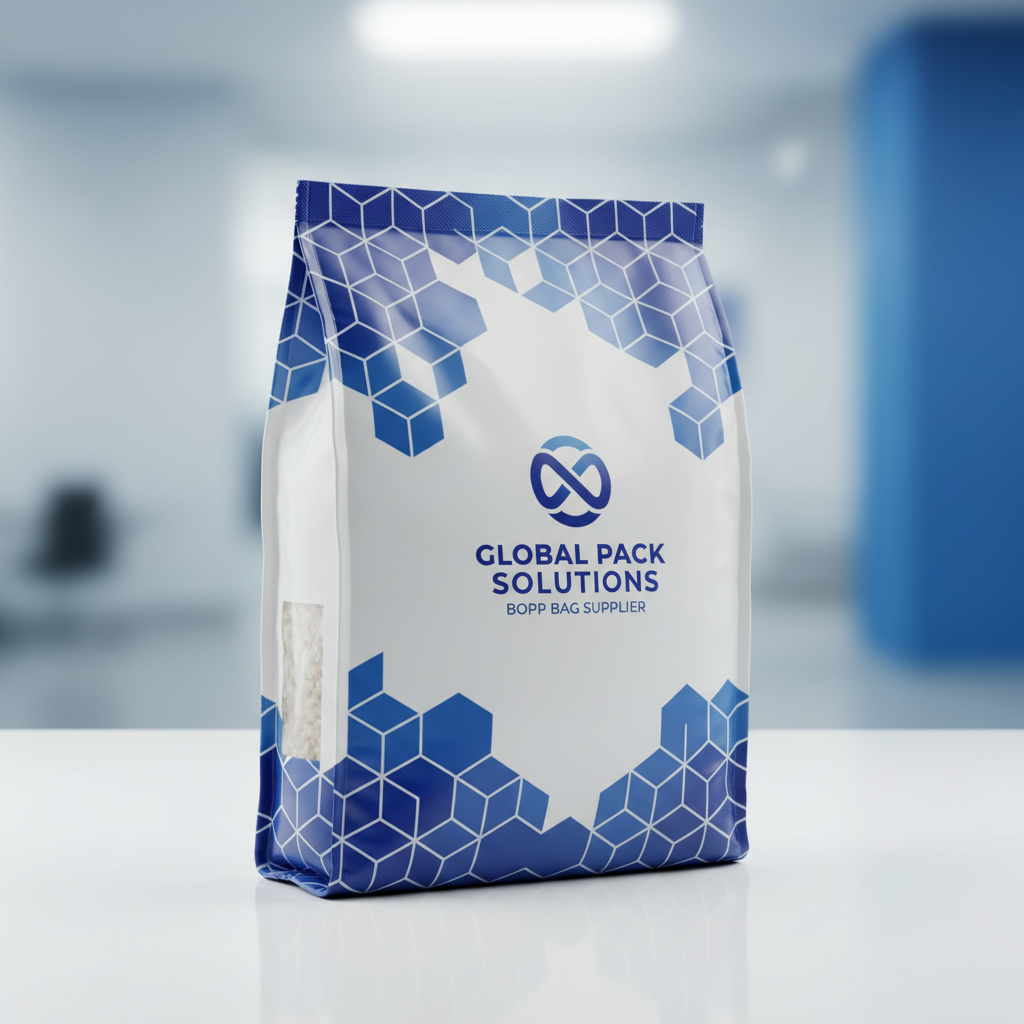
Global Market Dynamics of BOPP Packaging
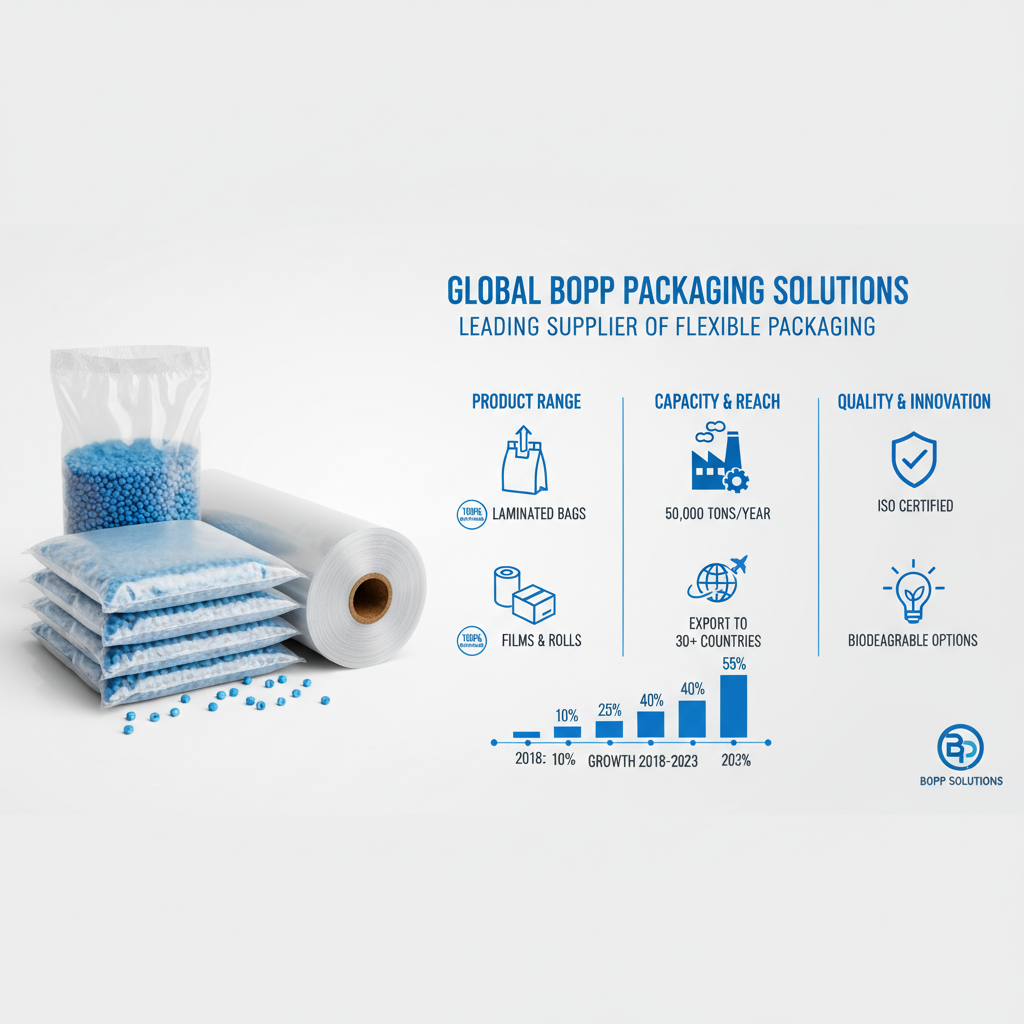
The global demand for sophisticated packaging has surged, with the BOPP woven bag segment experiencing significant growth due to the expansion of the agriculture and chemical industries. According to industry trends aligned with ISO quality standards, the shift toward "premiumization" in bulk packaging has forced manufacturers to evolve. A top-tier bopp bag supplier now operates in a landscape where moisture barriers and UV resistance are no longer optional but mandatory requirements for international trade.
However, this growth is accompanied by challenges, such as fluctuating raw material costs for polypropylene and the increasing pressure to adhere to environmental regulations. The core problem many businesses face is finding a partner who can balance high-tensile strength with an eco-friendly footprint, ensuring that the packaging does not fail during long-haul maritime transport.
Defining the Role of a Specialized BOOP Bag Supplier
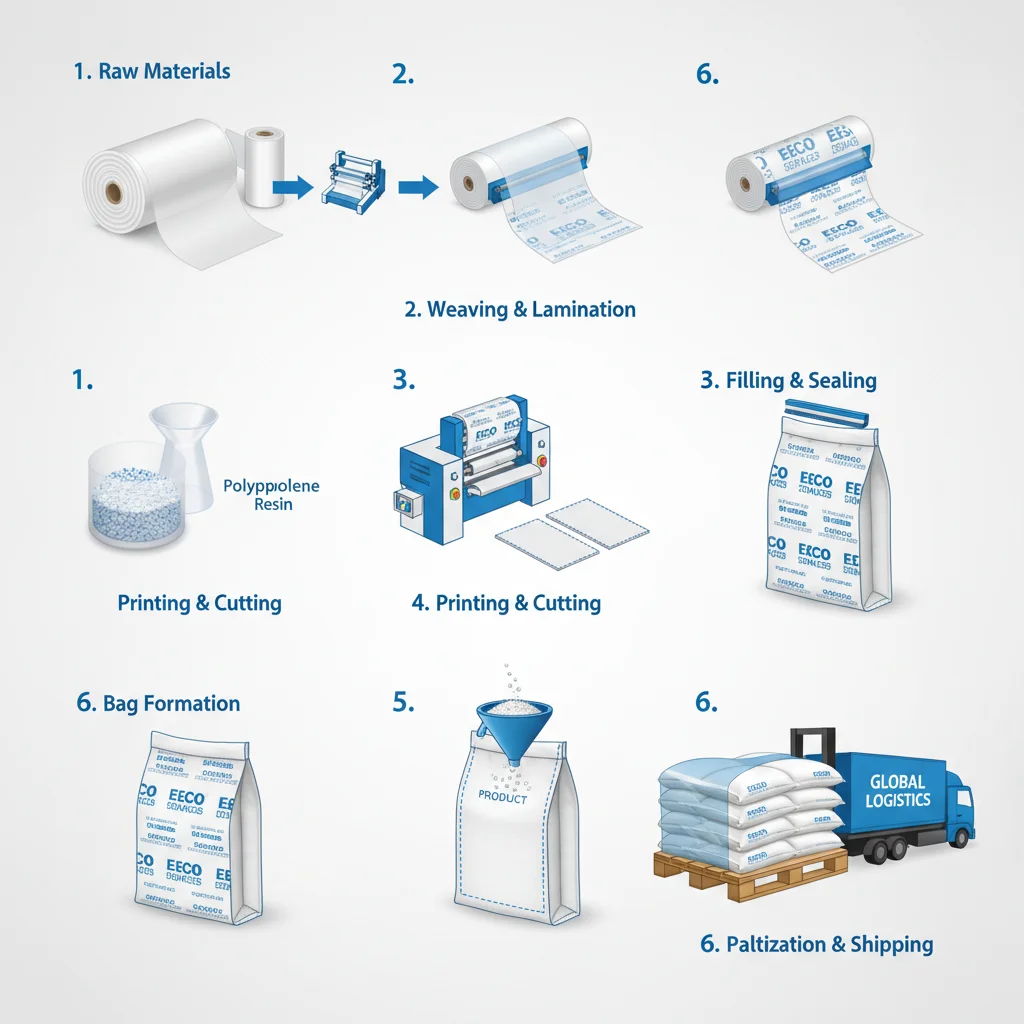
In simple terms, a bopp bag supplier is a specialized manufacturer that integrates the weaving of polypropylene fabric with a sophisticated lamination process involving Biaxially Oriented Polypropylene film. Unlike standard PP woven bags, these products undergo a process where the film is stretched in two directions, enhancing clarity, strength, and the ability to hold high-definition graphics.
This specialized role is crucial for modern industry because it solves the conflict between durability and marketing. Traditionally, heavy-duty bags were plain and utilitarian. A professional supplier transforms these containers into powerful marketing tools, allowing brands to print photorealistic images directly onto the packaging without compromising the bag's structural integrity.
Beyond the commercial aspect, these suppliers support humanitarian and agricultural needs by providing secure packaging for seeds, fertilizers, and grains. By preventing leakage and contamination through advanced lamination, they play a vital role in food security and the efficient distribution of resources in emerging economies.
Core Technical Components of High-Quality Bags
The durability of a BOPP bag is rooted in the quality of the woven fabric. A reputable bopp bag supplier ensures that the PP tapes are extruded with consistent denier and weave density, providing the necessary burst strength to handle weights ranging from 5kg to 50kg without deformation.
Lamination precision is the second core component. The process of bonding the BOPP film to the woven fabric must be seamless; any delamination can lead to moisture ingress or peeling labels. The best bopp bag supplier uses high-grade adhesives that withstand temperature fluctuations during shipping and storage.
Finally, the printing technology—typically rotogravure—defines the commercial value. By utilizing multi-color printing, a bopp bag supplier allows clients to incorporate barcodes, nutritional facts, and brand logos with razor-sharp precision, ensuring the product stands out in a crowded warehouse or retail shelf.
Performance Benchmarks for Industrial Packaging
When evaluating a bopp bag supplier, performance is measured by the balance of tensile strength, puncture resistance, and print longevity. Industrial users require packaging that can withstand the rigors of automated filling lines and the friction of pallet stacking without tearing or losing visual appeal.
To provide a clear comparison, we analyze different manufacturing approaches used by suppliers to optimize these variables. Whether the focus is on maximum load capacity or high-end visual aesthetics, the technical specifications must be meticulously tracked.
Performance Metrics by BOPP Bag Supplier Method
Global Applications and Strategic Use Cases
The versatility of BOPP bags makes them a staple in diverse industries. In the agricultural sector, a bopp bag supplier provides essential packaging for premium rice, pet food, and birdseed, where the moisture barrier prevents spoilage and the vivid graphics attract retail customers in supermarkets.
In industrial zones and remote chemical plants, these bags are used for resins and polymers. For instance, in post-disaster relief operations, reinforced BOPP bags are often deployed to transport concentrated nutrients or construction materials because they can withstand harsh environmental exposure while keeping the contents dry.
Long-term Economic and Brand Advantages
Partnering with a professional bopp bag supplier offers tangible long-term value. By reducing the rate of package failure (bursts and leaks), companies significantly lower their product loss ratios and insurance claims, leading to a direct increase in the bottom line.
From a branding perspective, the "premium feel" of a BOPP bag creates a psychological perception of quality. When a consumer sees a crisp, high-gloss package, they subconsciously associate that professionalism with the quality of the product inside, thereby fostering trust and brand loyalty.
Furthermore, the reliability of a steady supply chain reduces operational stress. An integrated supplier who manages everything from fabric weaving to final printing ensures consistency in color and strength across different production batches, eliminating the risk of mismatched branding.
Future Innovations in Sustainable Polymer Packaging
The future of the bopp bag supplier industry is pivoting toward sustainability. With the global push to reduce single-use plastics, innovation is focusing on biodegradable additives and the development of recyclable mono-material structures that maintain the strength of BOPP while being easier to process in recycling facilities.
Digital transformation is also playing a role. Smart packaging, incorporating QR codes and NFC tags printed during the BOPP lamination process, allows brands to provide traceability and authenticity verification. This shift enables a more transparent supply chain, where consumers can scan a bag to see the origin of the grain or chemical inside.
Automation in manufacturing is further optimizing efficiency. Modern suppliers are implementing AI-driven quality control systems that detect microscopic flaws in the lamination layer in real-time, ensuring that every bag leaving the factory meets a zero-defect standard.
Technical Comparison of BOPP Bag Material Innovations
| Innovation Type |
Primary Benefit |
Market Adoption |
Eco-Impact Score (1-10) |
| Recyclable PP |
Circular Economy |
High |
9 |
| Biodegradable Blends |
Reduced Landfill |
Medium |
8 |
| UV-Coated Film |
Outdoor Durability |
Very High |
5 |
| Nano-Barrier Coating |
Extreme Freshness |
Low |
6 |
| Water-based Inks |
Non-Toxic Printing |
Medium |
9 |
| Anti-Static BOPP |
Safety in Chemicals |
High |
4 |
FAQS
A standard PP woven bag is durable but has a rough texture and limited printing capabilities. A bopp bag supplier adds a BOPP film layer through lamination, which provides a glossy or matte finish, superior moisture protection, and the ability to print high-resolution, photographic-quality graphics, making it ideal for retail branding.
You should check for ISO certifications, request samples to test the "peel strength" of the lamination, and verify the denier of the woven fabric. A reliable supplier will provide technical data sheets (TDS) detailing the burst strength and UV resistance of their bags to ensure they meet your specific industrial requirements.
While traditional BOPP bags are plastic-based, many bopp bag supplier partners are now offering mono-material PP solutions that are fully recyclable. By using a single polymer family for both the weave and the film, these bags can be processed in standard plastic recycling streams more effectively than multi-material laminates.
Yes, a professional supplier can incorporate anti-static treatments and reinforced stitching to handle specific chemical powders. However, for UN-certified hazardous material transport, you must ensure the bopp bag supplier provides certified testing for drop tests and pressure tests according to international safety standards.
Lead times typically vary from 2 to 6 weeks depending on the complexity of the custom printing. Because the rotogravure cylinders must be engraved specifically for your artwork, the first order takes longer. Subsequent re-orders are usually much faster as the plates are already stored by the supplier.
The BOPP film acts as a non-porous barrier that prevents humidity and water vapor from penetrating the woven fabric. This is critical for hygroscopic products like salt, sugar, or chemical powders, which would otherwise clump or degrade. A quality bopp bag supplier ensures the film is fully bonded to eliminate any gaps.
Conclusion
In summary, the selection of a professional bopp bag supplier is about more than just purchasing a container; it is about integrating material science, brand marketing, and logistics efficiency. From the tensile strength of the weave to the precision of rotogravure printing, every detail contributes to the safety of the product and the perception of the brand in the global marketplace.
Looking forward, the industry will continue to evolve toward a "green" equilibrium, where high-performance packaging meets environmental responsibility. We encourage businesses to proactively seek suppliers who invest in recyclable materials and smart-packaging technologies to ensure long-term viability and compliance with emerging global regulations. Visit our website: www.ssjtpack.com