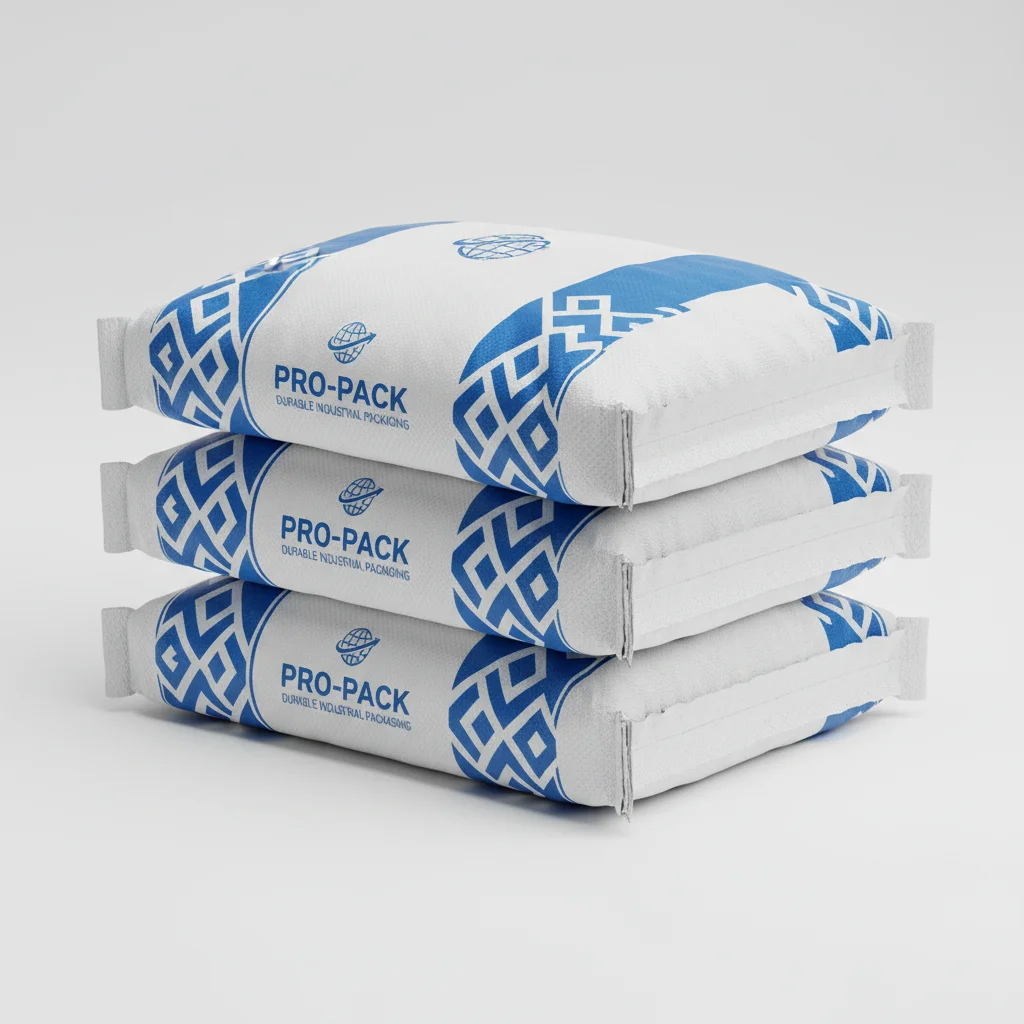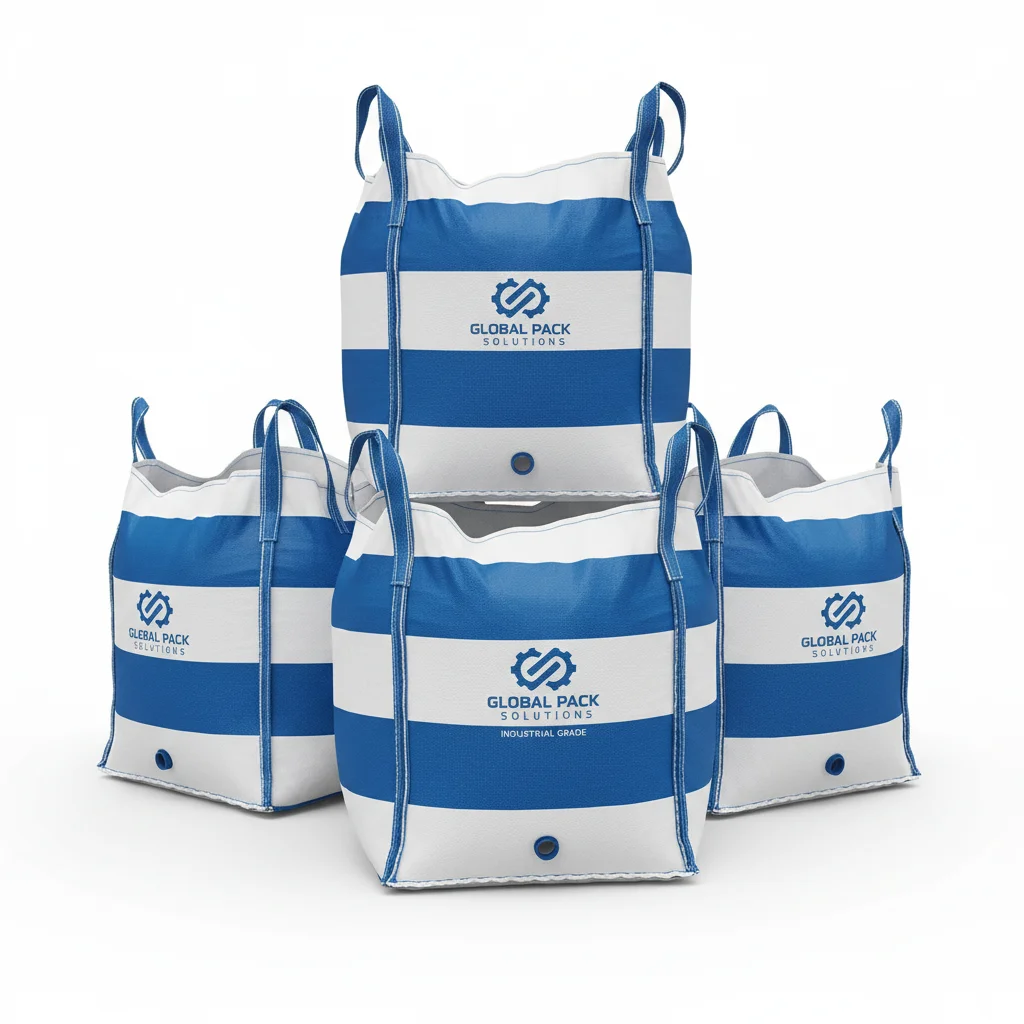
Wholesale polypropylene woven bags represent a critical industrial packaging standard, engineered from high-strength thermoplastic polymers to provide exceptional durability for bulk material transport. These bags are constructed by weaving polypropylene tapes in two directions, creating a reinforced fabric that withstands extreme tensile stress while remaining lightweight and cost-effective for global logistics.
For procurement managers in the chemical, agricultural, and construction sectors, the challenge lies in balancing structural integrity with moisture protection. Standard packaging often fails under the pressure of heavy powders or granular minerals, leading to product leakage, contamination, and significant financial losses during transit and warehousing.
This analysis examines the technical specifications of advanced PP woven solutions, including multi-layer composite and valve bag designs. By exploring material composition and automated filling compatibility, this guide helps businesses optimize their packaging supply chain to reduce operational waste and improve brand presentation.

1Core Architecture of PP Woven Bags

Polypropylene (PP) woven bags are manufactured through a precise extrusion process where PP resin is converted into thin tapes, which are then woven into a high-density fabric. This structural design ensures that the load is distributed evenly across the surface of the bag, preventing bursts even when filled with heavy granular materials such as cement or resins.
The inherent properties of polypropylene provide a natural resistance to many chemical solvents and biological degradation, making these bags ideal for long-term storage. However, raw woven fabric is naturally permeable to air and moisture, which is why specialized coatings are often applied to meet industrial barrier requirements.
Modern manufacturing now integrates BOPP lamination, which adds a thin film of Biaxially Oriented Polypropylene. This not only enhances the moisture barrier but also allows for high-resolution photographic printing, transforming a basic shipping container into a powerful brand ambassador on the retail shelf.
2Technical Advantages of Composite Layering
To overcome the permeability of basic woven fabric, composite valve bags utilize a multi-layer approach. By combining a PP woven inner layer for structural strength with a PE (polyethylene) or BOPP outer composite film, manufacturers create an airtight and watertight seal that protects fine powders from humidity and external contamination.
The integration of these layers prevents the "sifting" effect, where fine particles leak through the weave. This is particularly critical in the specialty chemical industry, where product purity and precise weight measurement are mandatory for regulatory compliance and safety.
Furthermore, specialized anti-static treatments can be applied to the composite layers. This is a vital safety feature for volatile industrial environments, reducing the risk of electrostatic discharge during the high-speed filling of combustible powders.
3Industrial Application Scenarios
The versatility of wholesale polypropylene woven bags allows them to be deployed across diverse sectors. In the construction industry, they are used for cement, lime, and gypsum, where high tensile strength is required to withstand rough handling on job sites and prolonged exposure to outdoor elements.
In the agricultural sector, these bags are the standard for transporting grains, seeds, and pet food. The breathability of standard woven bags helps prevent mold growth in organic materials, while laminated versions protect processed feeds from oxidation and pest infiltration.
Chemical plants utilize multi-layer valve bags for resins and minerals. These specialized bags are designed to integrate with automatic filling machines, where the precision-engineered valve allows for rapid filling and self-closing, significantly reducing the production cycle time.
4Performance Metrics and Filling Efficiency
Efficiency in bulk packaging is measured by the speed of filling and the minimization of product waste. Traditional open-mouth bags require manual sewing or heat sealing, which creates a bottleneck in the supply chain and increases the probability of leakage due to human error.
Composite valve bags eliminate these inefficiencies. The self-closing valve mechanism allows the filling head to inject product at high pressure; once the bag reaches its target weight (typically 10kg to 50kg), the valve collapses and seals naturally, ensuring an airtight closure without manual intervention.
wholesale polypropylene woven bags Performance Metrics
When comparing standard woven bags to composite valve solutions, the return on investment is seen in reduced labor costs and decreased product loss. The high-level moisture barrier of composite layers also extends the storage life of the contents, reducing the rate of expired or spoiled inventory.
5Procurement Criteria for Bulk Packaging
When sourcing wholesale polypropylene woven bags, procurement teams must look beyond the unit price. The total cost of ownership includes the cost of product loss due to leakage, the labor cost of sealing, and the potential for brand damage caused by poor print quality or bag failure.
Key specifications to evaluate include the material composition (PP woven vs. Laminated PP), the weight capacity (customizable from 10kg to 50kg), and the closing method. For high-volume operations, compatibility with existing automatic valve filling machinery is the most critical technical requirement.
Additionally, the choice between Flexographic printing and BOPP lamination should be based on the end-market. While flexography is cost-effective for industrial use, BOPP lamination is necessary for consumer-facing products that require high-resolution graphics and superior shelf appeal.
6Sustainability and Material Lifecycle
As global regulations on plastics tighten, the sustainability of packaging materials has become a primary concern. Polypropylene is a recyclable thermoplastic, meaning that used PP woven bags can be processed through industrial recycling streams to create new plastic components, reducing the reliance on virgin resins.
The durability of these bags also contributes to sustainability by reducing the frequency of bag failures. A single high-strength composite bag replaces multiple flimsy alternatives, decreasing the total volume of plastic waste generated per ton of material transported.
Future innovations are focusing on the integration of biodegradable additives and the use of PCR (Post-Consumer Recycled) resins within the woven fabric. These advancements aim to maintain the structural integrity of the bags while significantly lowering the carbon footprint of the packaging process.
7Comparative Analysis of Bag Structures
Choosing the right bag structure depends on the physical properties of the material being packaged and the intended logistics chain. While standard woven bags offer maximum breathability and low cost, they lack the protection required for fine chemicals or high-value powders.
Composite valve bags represent the premium tier of PP packaging, offering a combination of structural strength, moisture protection, and filling efficiency. The transition from manual to automatic filling via valve bags often yields the highest ROI in large-scale industrial operations.
| Metric | Standard Woven Bag | Composite Valve Bag | BOPP Laminated Bag |
|---|---|---|---|
| Filling Speed | Low (Manual) | Very High (Auto) | Moderate |
| Product Waste | Moderate (Leakage) | Minimal (Airtight) | Low |
| Labor Cost | High (Manual Seal) | Low (Auto-Valve) | Moderate |
| Moisture Barrier | Low (Permeable) | High (Barrier Layer) | Very High |
| Brand Appeal | Basic Printing | Professional | Premium Graphics |
| Best Use Case | Grains/Sand | Chemical Powders | Retail Feed/Seeds |
In summary, for enterprises prioritizing operational speed and product integrity, the composite valve bag is the superior choice. For those targeting the retail market, BOPP lamination is indispensable for brand differentiation and protection.
Frequently Asked Questions
Conclusion
Optimizing bulk packaging is a strategic decision that directly impacts production efficiency and product quality. By transitioning to high-performance wholesale polypropylene woven bags, particularly composite valve designs, enterprises can significantly reduce labor costs, eliminate product waste, and enhance the security of their global logistics chain.
For procurement teams evaluating the most suitable packaging solutions for their specific material requirements, detailed technical specifications and custom options are available for review at www.ssjtpack.com.