Large woven polypropylene bags are ubiquitous in modern logistics and humanitarian efforts, representing a vital solution for the bulk transport and storage of diverse materials. Their strength, flexibility, and cost-effectiveness have made them indispensable across numerous industries worldwide. Understanding their properties and applications is crucial for efficient supply chain management, disaster relief, and sustainable material handling practices.
The global demand for large woven polypropylene bags is driven by increasing international trade, agricultural production, and the need for reliable packaging solutions. These bags offer a significant advantage over traditional materials like jute or cotton, particularly in terms of durability and water resistance. Consequently, they’ve become a cornerstone of many international aid organizations and commercial operations.
From agricultural products like grains and fertilizers to construction materials and even emergency shelter components, large woven polypropylene bags provide a versatile and robust means of containment. As global challenges like food security and disaster preparedness intensify, the role of these bags will only continue to grow, demanding a deeper understanding of their capabilities and sustainable production methods.
Introduction to Large Woven Polypropylene Bags
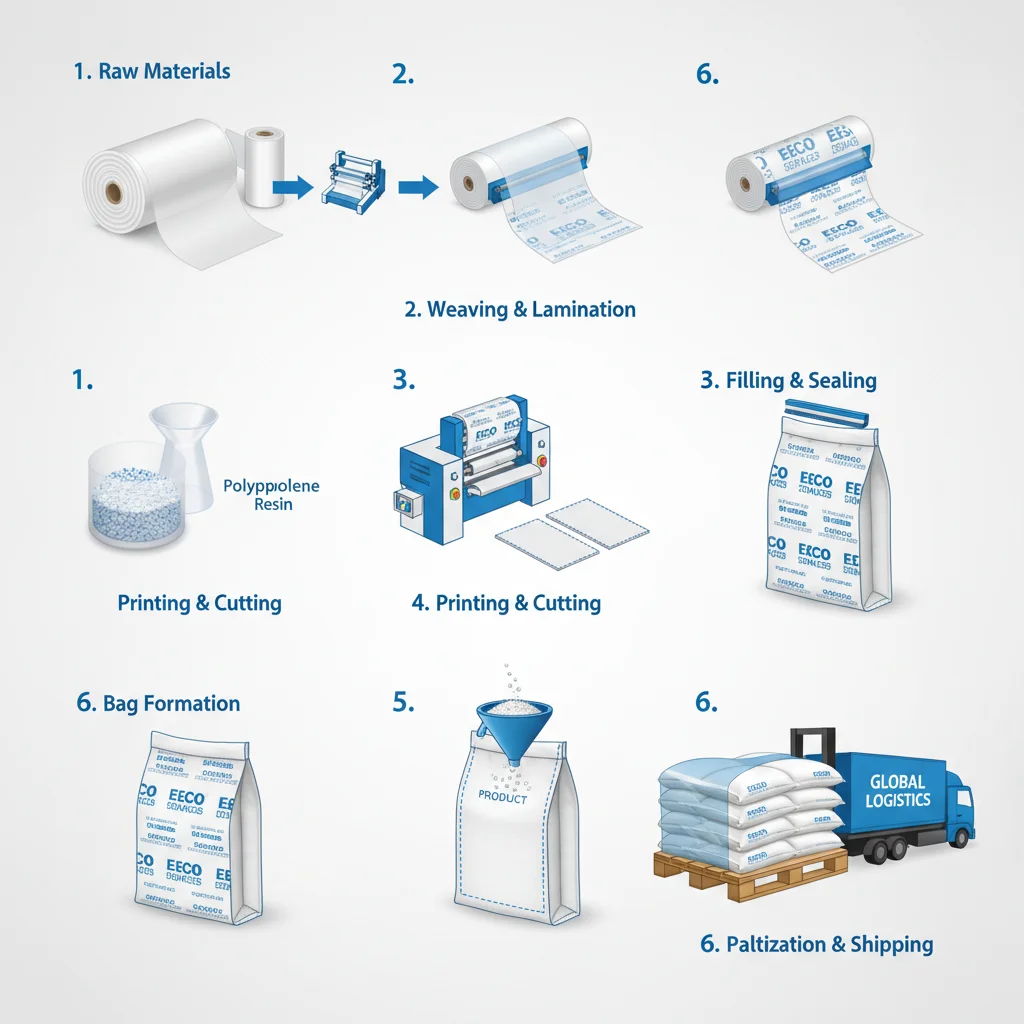
Large woven polypropylene bags are constructed from polypropylene resin, a thermoplastic polymer known for its high tensile strength and resistance to chemical solvents. The weaving process creates a robust fabric capable of withstanding significant loads and harsh environmental conditions.
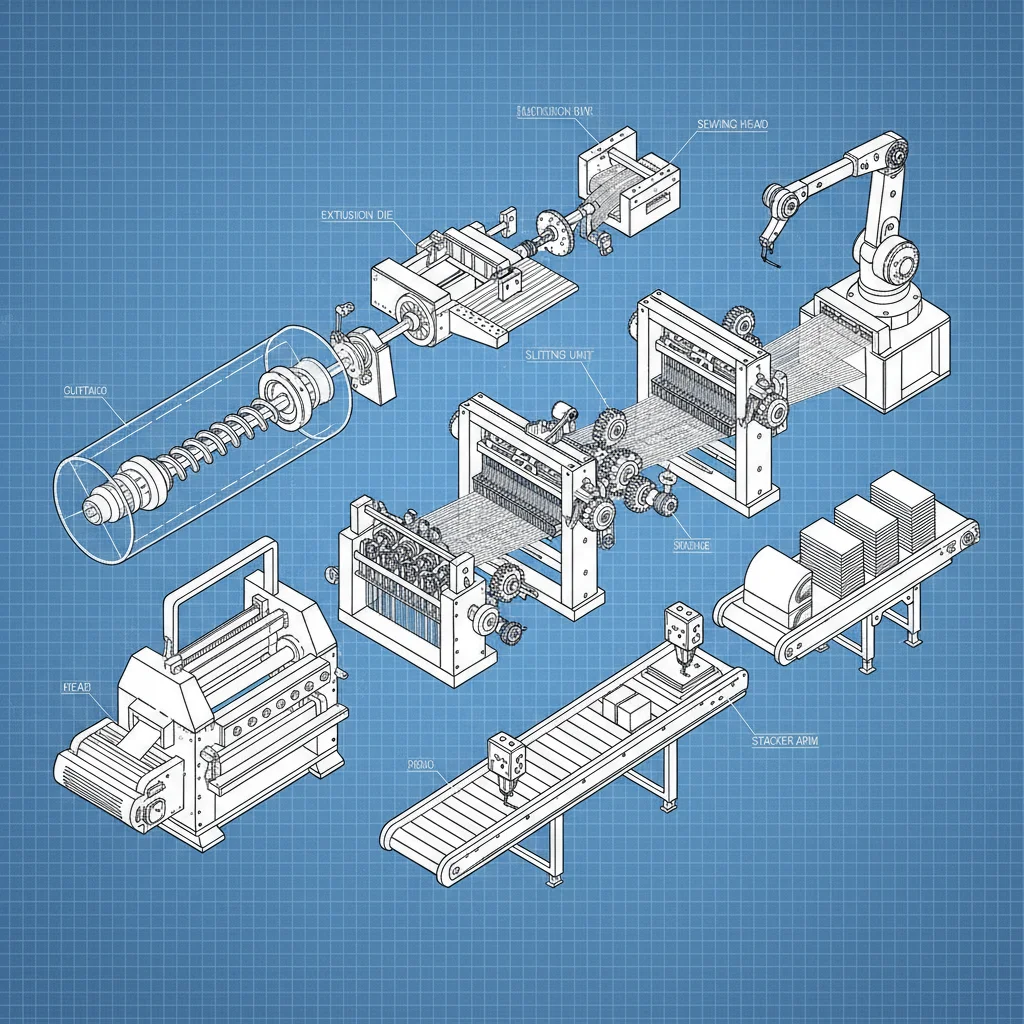
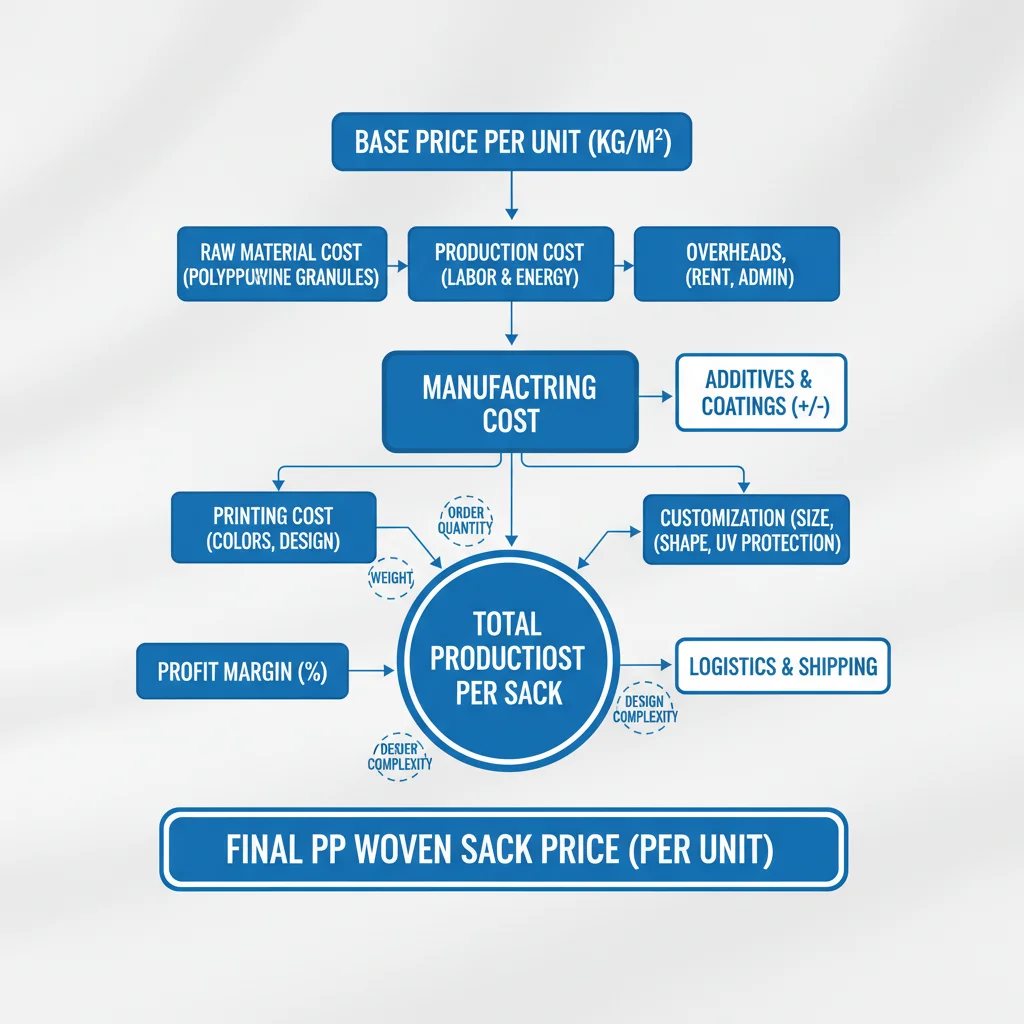
Their production process, while relatively simple, has become increasingly sophisticated with advancements in extrusion, weaving, and coating technologies. This allows for customization in terms of size, strength, color, and UV stabilization, making them adaptable to a broad spectrum of applications. The versatility of large woven polypropylene bags contributes to their widespread adoption globally.
Global Relevance and Statistics
The global market for woven polypropylene bags is substantial and continues to expand. According to industry reports, the market was valued at over $40 billion in 2023 and is projected to reach $55 billion by 2030, demonstrating a compound annual growth rate (CAGR) of around 4.5%. This growth is heavily influenced by the expanding agricultural sector in developing nations and the increasing demand for efficient packaging solutions in international trade.
The United Nations uses vast quantities of these bags for food aid distribution, particularly in regions facing famine or natural disasters. The World Bank also relies on them for infrastructure projects, utilizing them for transporting cement, sand, and other construction materials. ISO standards regulate the quality and safety of these bags, ensuring they meet specific performance criteria for various applications.
A significant challenge addressed by large woven polypropylene bags is the reduction of food waste. By providing a secure and protective barrier against moisture, pests, and physical damage, they extend the shelf life of agricultural products, contributing to food security in vulnerable communities. Furthermore, their reusability and potential for recycling offer a more sustainable alternative to single-use plastic packaging.
Defining Large Woven Polypropylene Bags
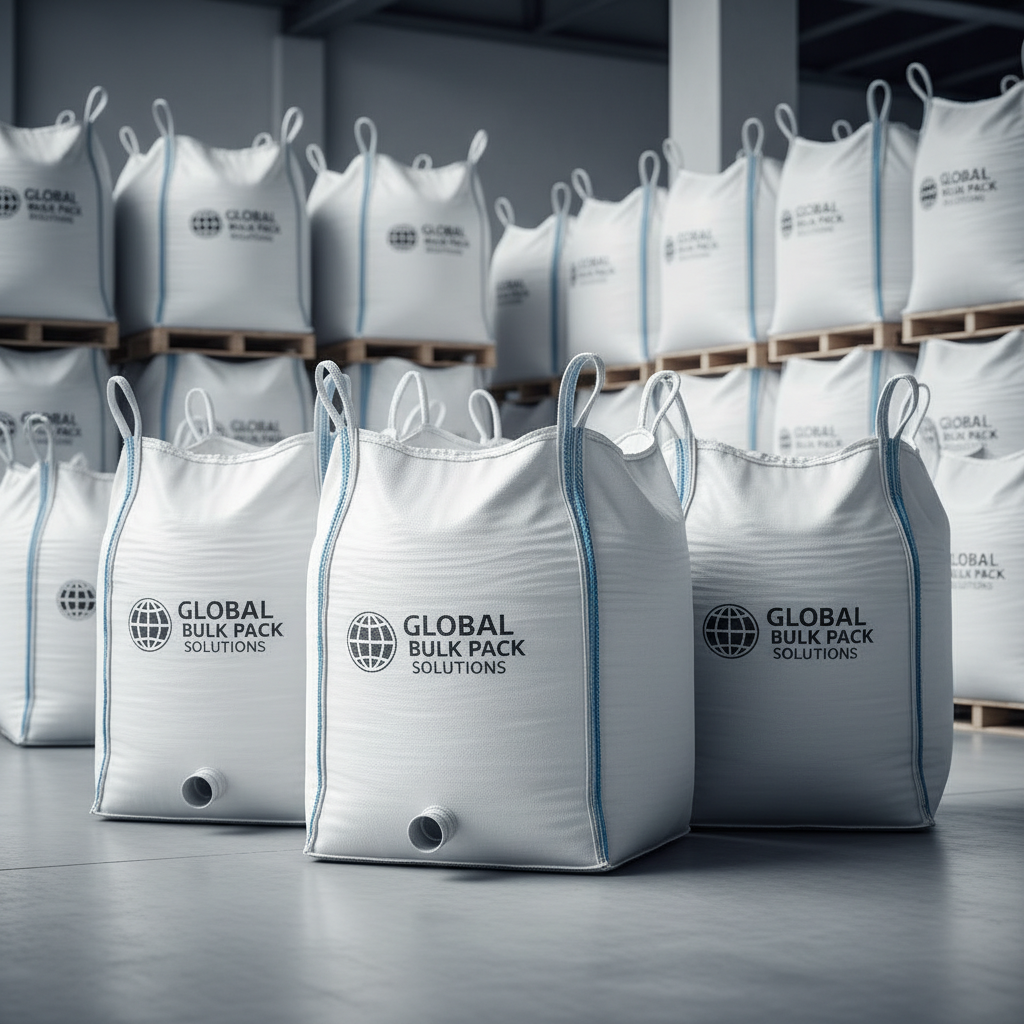
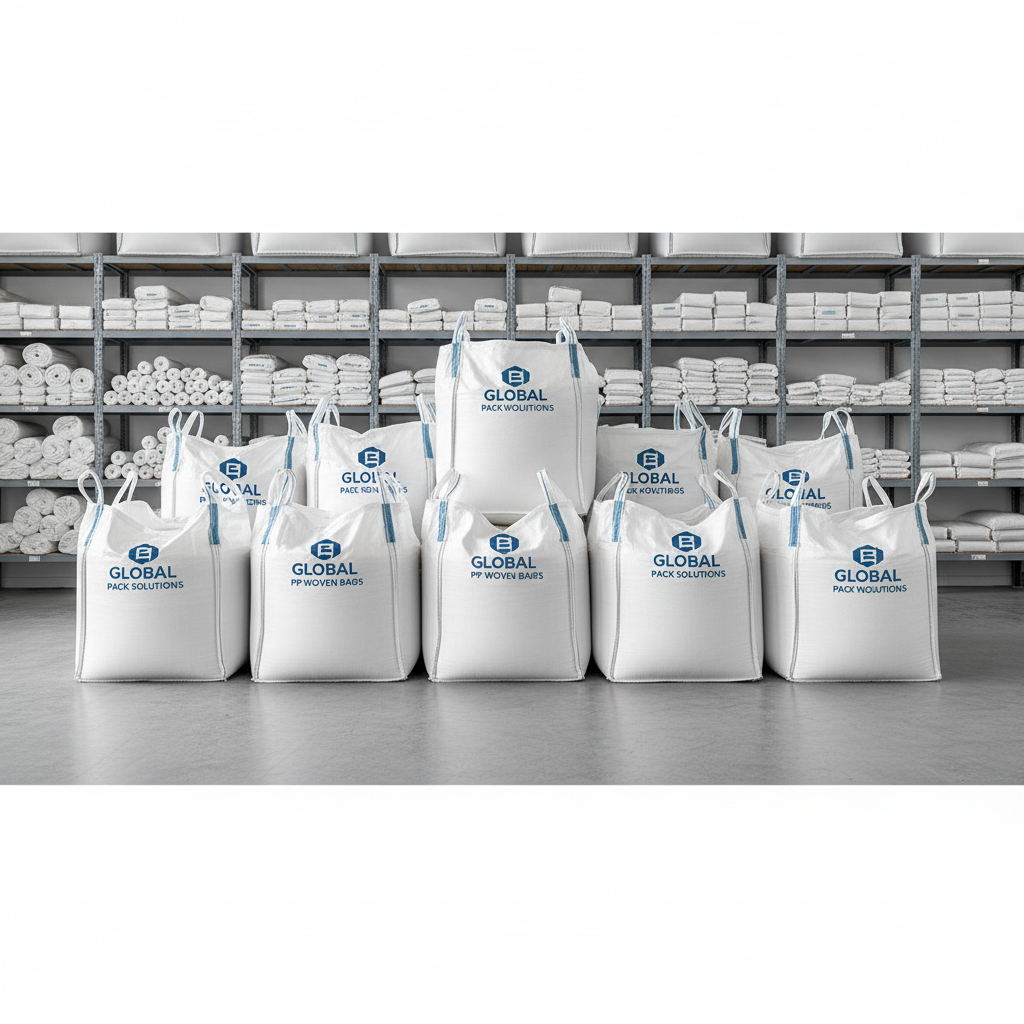
Large woven polypropylene bags, often referred to as FIBCs (Flexible Intermediate Bulk Containers) or bulk bags, are industrial containers made from woven polypropylene fabric. They’re designed for holding and transporting dry, flowable goods, ranging from hundreds to thousands of kilograms. Unlike rigid containers, they are flexible and conform to the shape of their contents, maximizing space utilization during transport and storage.
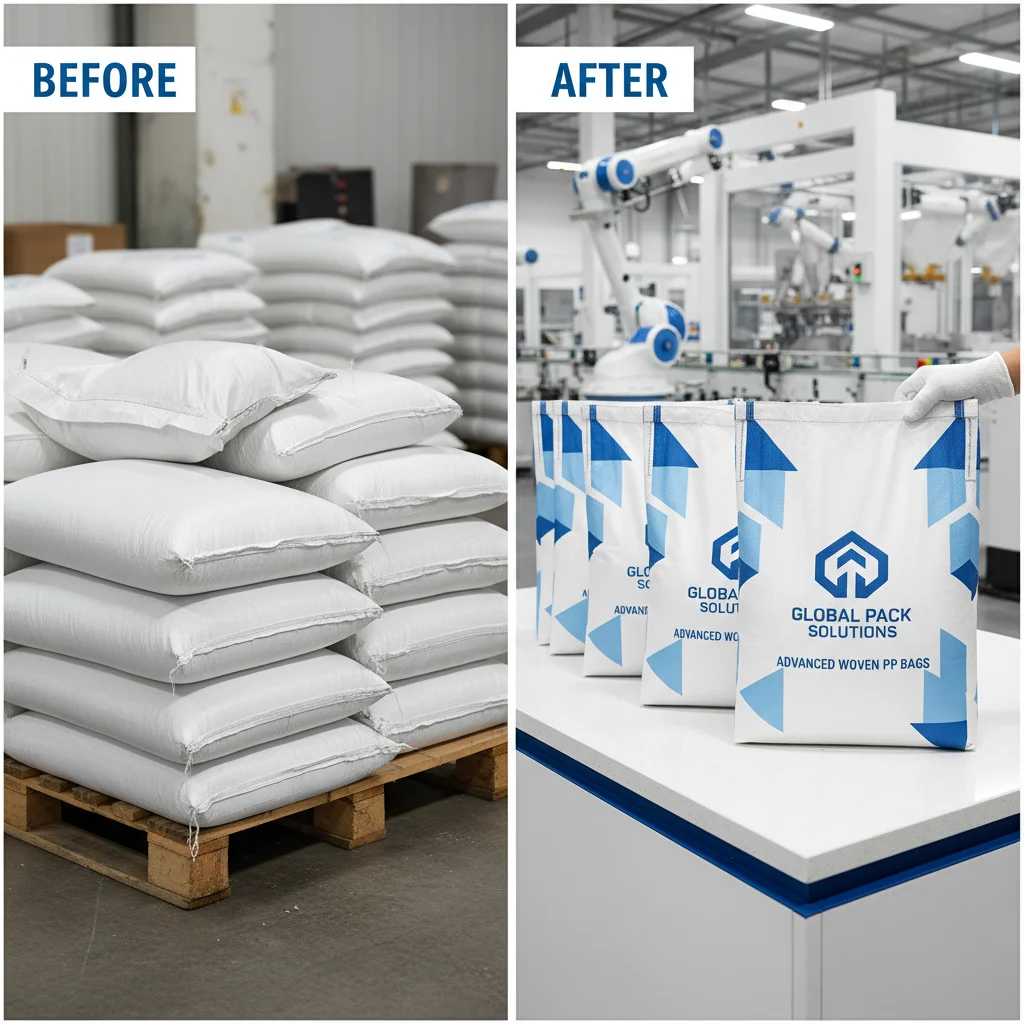
Their connection to modern industry is rooted in the need for efficient and cost-effective bulk handling solutions. Prior to their widespread adoption, goods were often transported in smaller, labor-intensive units. Large woven polypropylene bags revolutionized logistics by streamlining the process, reducing handling costs, and minimizing the risk of product contamination.
In humanitarian contexts, these bags are vital for delivering essential supplies like food, medical equipment, and construction materials to disaster-stricken areas. They are easy to handle, relatively lightweight when empty, and can be stacked efficiently, making them ideal for rapid deployment and distribution. Their durability ensures the contents remain protected even in challenging environments.
Key Factors and Core Components
Durability: The woven polypropylene fabric provides exceptional tensile strength and tear resistance, ensuring the bag can withstand the rigors of handling, transportation, and storage. Different denier (thread thickness) and weave patterns are used to tailor the strength to specific applications.
Cost Efficiency: Compared to alternative packaging materials like steel drums or wooden crates, large woven polypropylene bags are significantly more affordable, reducing overall logistics costs. This is particularly important for businesses operating on tight margins.
Moisture Resistance: Polypropylene is inherently hydrophobic, meaning it repels water. This protects the contents from moisture damage, which is crucial for maintaining the quality of sensitive goods like grains, fertilizers, and chemicals.
UV Stabilization: Prolonged exposure to sunlight can degrade polypropylene. UV stabilizers are often added to the resin during manufacturing to enhance the bag's resistance to ultraviolet radiation, extending its lifespan.
Scalability: Large woven polypropylene bags are available in a wide range of sizes and configurations, allowing for flexible handling of different quantities and types of materials. They can be customized with features like lifting loops, filling and discharge spouts, and inner liners.
Reusability: Many large woven polypropylene bags are designed for multiple uses, reducing waste and lowering the lifecycle cost. Proper cleaning and maintenance can significantly extend their service life.
Global Applications and Use Cases
In the agricultural sector, large woven polypropylene bags are extensively used for storing and transporting grains (wheat, rice, corn), fertilizers, animal feed, and other agricultural commodities. In post-disaster relief operations, they are crucial for delivering food aid, shelter materials, and medical supplies to affected populations.
The construction industry utilizes these bags for transporting cement, sand, gravel, and other building materials. In remote industrial zones, they provide a reliable and cost-effective means of transporting raw materials and finished products. Chemical companies employ them for handling and shipping powdered or granular chemicals.
Regions heavily reliant on agricultural exports, such as Southeast Asia, South America, and Eastern Europe, are major consumers of these bags. Organizations like the World Food Programme and the Red Cross depend on them for their humanitarian missions worldwide. They are also integral to the supply chains of numerous multinational corporations operating in diverse industries.
Advantages and Long-Term Value
The primary tangible benefit of large woven polypropylene bags is their cost-effectiveness. They offer a significantly lower total cost of ownership compared to alternatives like steel drums or rigid plastic containers, reducing expenses for businesses and aid organizations alike. Sustainability is another key advantage, with many bags being reusable and increasingly recyclable.
From a social impact perspective, these bags contribute to food security by minimizing waste and ensuring efficient delivery of essential food supplies. They enhance safety by providing a secure and reliable containment solution, reducing the risk of spills and contamination. Trust is built through consistent performance and adherence to international quality standards, fostering confidence in the supply chain.
Future Trends and Innovations
The industry is witnessing a growing emphasis on sustainable materials. Research and development are focused on incorporating recycled polypropylene into bag manufacturing, reducing reliance on virgin plastics. Biodegradable additives are also being explored to enhance the bags' end-of-life decomposition.
Digital transformation is playing a role through the integration of RFID tags and QR codes, enabling real-time tracking and traceability of goods throughout the supply chain. Automation in bag manufacturing processes is increasing efficiency and reducing production costs. The use of coatings with enhanced barrier properties is improving product protection and extending shelf life.
FAQS
The lifespan of a large woven polypropylene bag varies depending on factors like the quality of the material, the type of contents being transported, and environmental conditions. Generally, a well-maintained bag can be reused multiple times, often for 2-5 years or more. UV stabilizers and proper storage significantly contribute to extending its lifespan. Regular inspections for wear and tear are crucial to ensure continued safe use.
Yes, large woven polypropylene bags are recyclable. Polypropylene is a #5 plastic and can be processed at facilities equipped to handle this material. However, recycling infrastructure varies significantly by region. Many manufacturers are incorporating recycled polypropylene into new bag production, creating a closed-loop system. Initiatives to improve collection and sorting processes are essential for increasing recycling rates.
Large woven polypropylene bags can handle a wide range of weights, typically from 500 kg (1100 lbs) to 2000 kg (4400 lbs) or even more, depending on the bag's design and construction. The Safe Working Load (SWL) and the Breaking Strength are critical specifications to consider when selecting a bag for a particular application. Factors like the fill height and lifting method also influence the safe weight capacity.
Yes, large woven polypropylene bags can be manufactured to meet food-grade standards. This requires using virgin polypropylene resin and ensuring the manufacturing process adheres to strict hygiene protocols. Inner liners, often made from polyethylene, are commonly used to provide an additional barrier against contamination. Certification from relevant regulatory bodies confirms compliance with food safety requirements.
Various coatings are applied to large woven polypropylene bags to enhance their performance. Polyethylene (PE) coating provides moisture resistance. Polypropylene (PP) coating offers improved strength and abrasion resistance. Antistatic coatings prevent the build-up of static electricity, which is important when handling flammable materials. UV coatings protect against degradation from sunlight. The choice of coating depends on the specific application and the properties required.
Proper storage is crucial for maximizing the lifespan of large woven polypropylene bags. Store them in a dry, well-ventilated area, away from direct sunlight and extreme temperatures. Avoid stacking them directly on the ground, as this can cause damage. Clean and thoroughly dry the bags before storage to prevent mold or mildew growth. Fold or roll the bags neatly to minimize creasing and damage.
Conclusion
Large woven polypropylene bags represent a cornerstone of modern logistics and humanitarian aid. Their durability, cost-effectiveness, and versatility make them an indispensable solution for the bulk transport and storage of diverse materials. Understanding their properties, applications, and evolving sustainability practices is crucial for optimizing supply chains and addressing global challenges.
Looking ahead, innovations in materials science, digital technology, and recycling infrastructure will further enhance the value and sustainability of these bags. By embracing circular economy principles and investing in research and development, we can ensure that large woven polypropylene bags continue to play a vital role in a more efficient and sustainable future. For premium quality large woven polypropylene bags, visit our website: large woven polypropylene bags.