pp woven fabric bag have become indispensable in modern logistics, agriculture, and everyday life. Their versatility, stemming from their woven polypropylene construction, makes them a cost-effective and durable alternative to traditional materials like paper or plastic. Understanding the properties and applications of these bags is crucial for businesses and individuals alike seeking sustainable and efficient packaging solutions. From bulk commodity transport to retail shopping, the humble pp woven fabric bag plays a significant role in the global economy.
The demand for pp woven fabric bag is steadily increasing, driven by growing environmental concerns and the need for robust packaging. Globally, the market is experiencing expansion due to the rise of e-commerce, agricultural production, and infrastructural developments. According to industry reports, the polypropylene woven bag market is projected to reach substantial growth in the coming years, fueled by innovation in materials and manufacturing processes. This trend highlights the importance of understanding the advantages and limitations of pp woven fabric bag.
Moreover, these bags aren’t just about functionality; they represent a practical solution to various global challenges. Their reusability reduces waste, contributing to a circular economy. Their durability minimizes product damage during transport, reducing losses in supply chains. And, they’re relatively inexpensive to produce, making them accessible for a wide range of applications, from disaster relief efforts to everyday grocery shopping.
Introduction to pp woven fabric bag
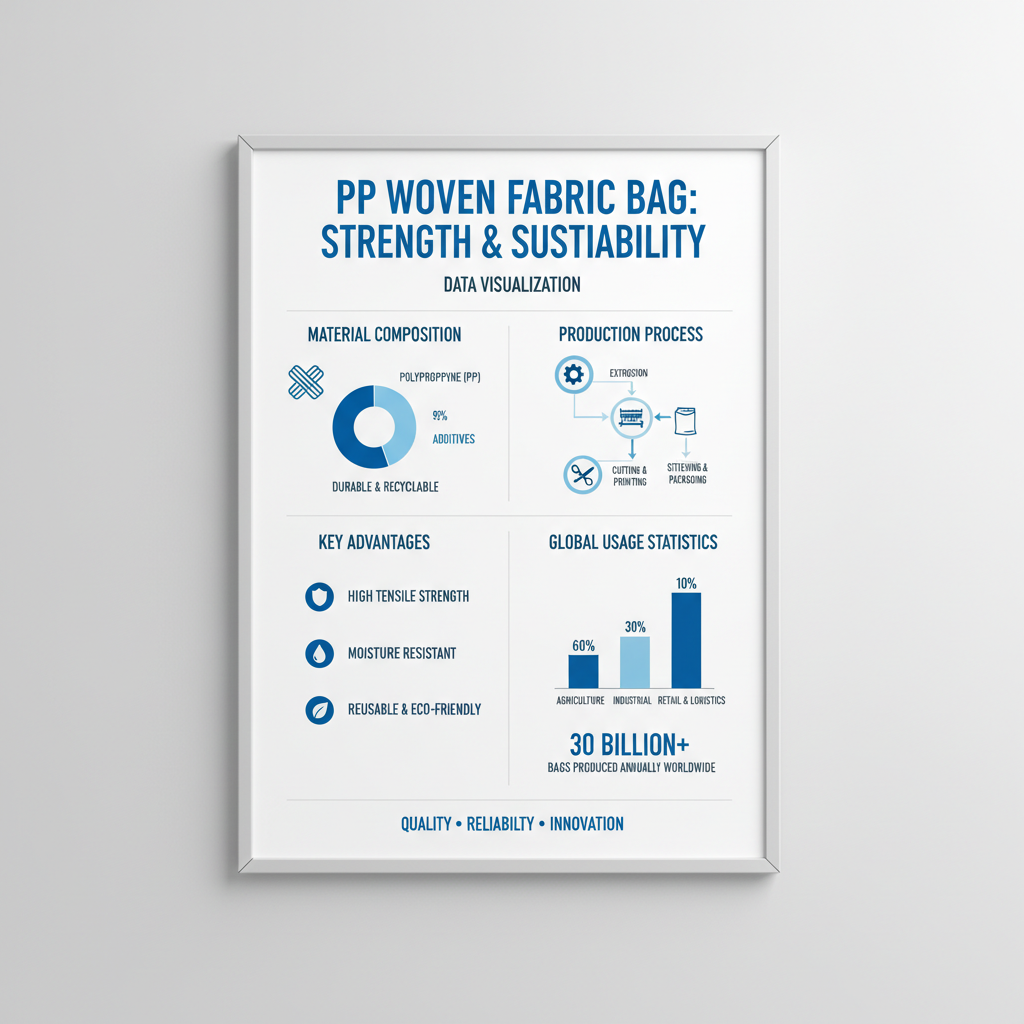
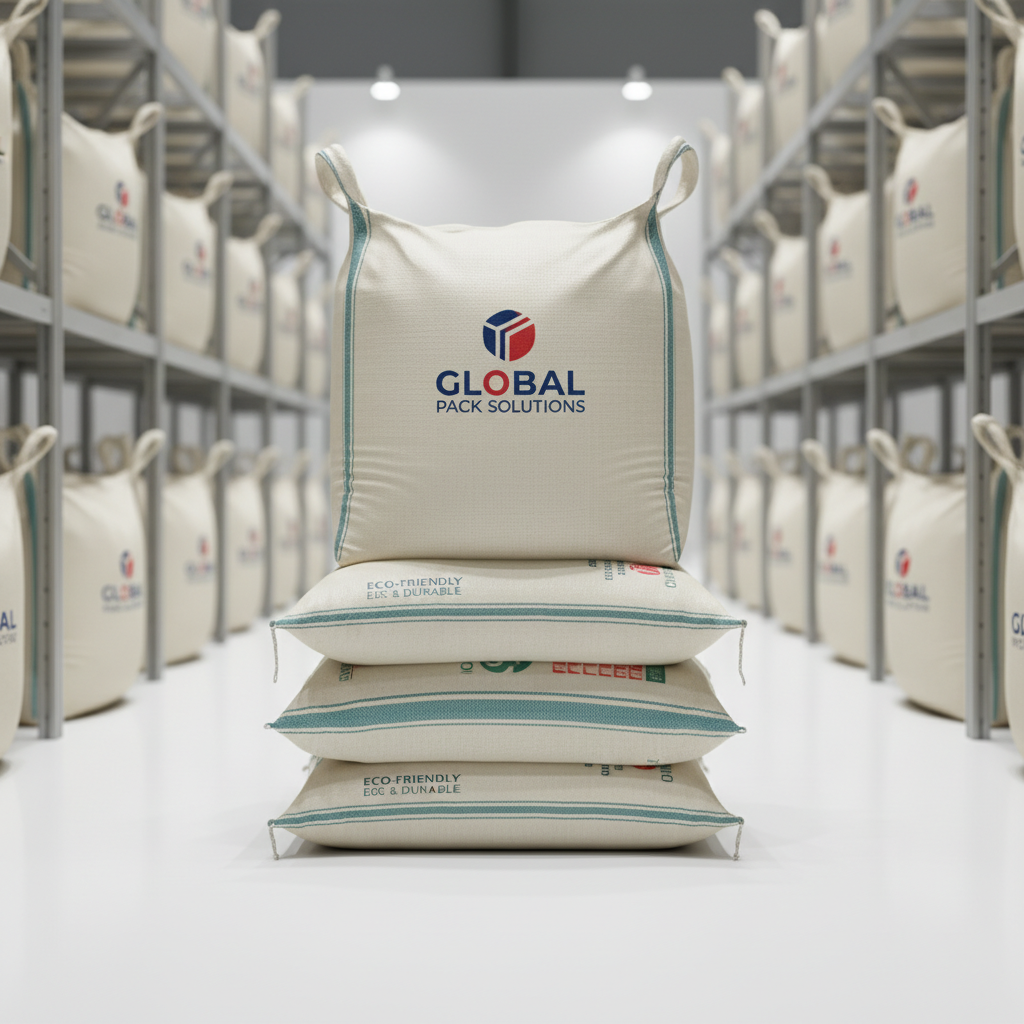
pp woven fabric bag are a type of flexible intermediate bulk container (FIBC) constructed from polypropylene strands that are woven together. These bags are known for their exceptional strength, durability, and resistance to moisture and tearing. The weaving process creates a robust fabric that can withstand significant loads, making them ideal for packaging and transporting various materials, including agricultural products, building materials, and industrial goods.
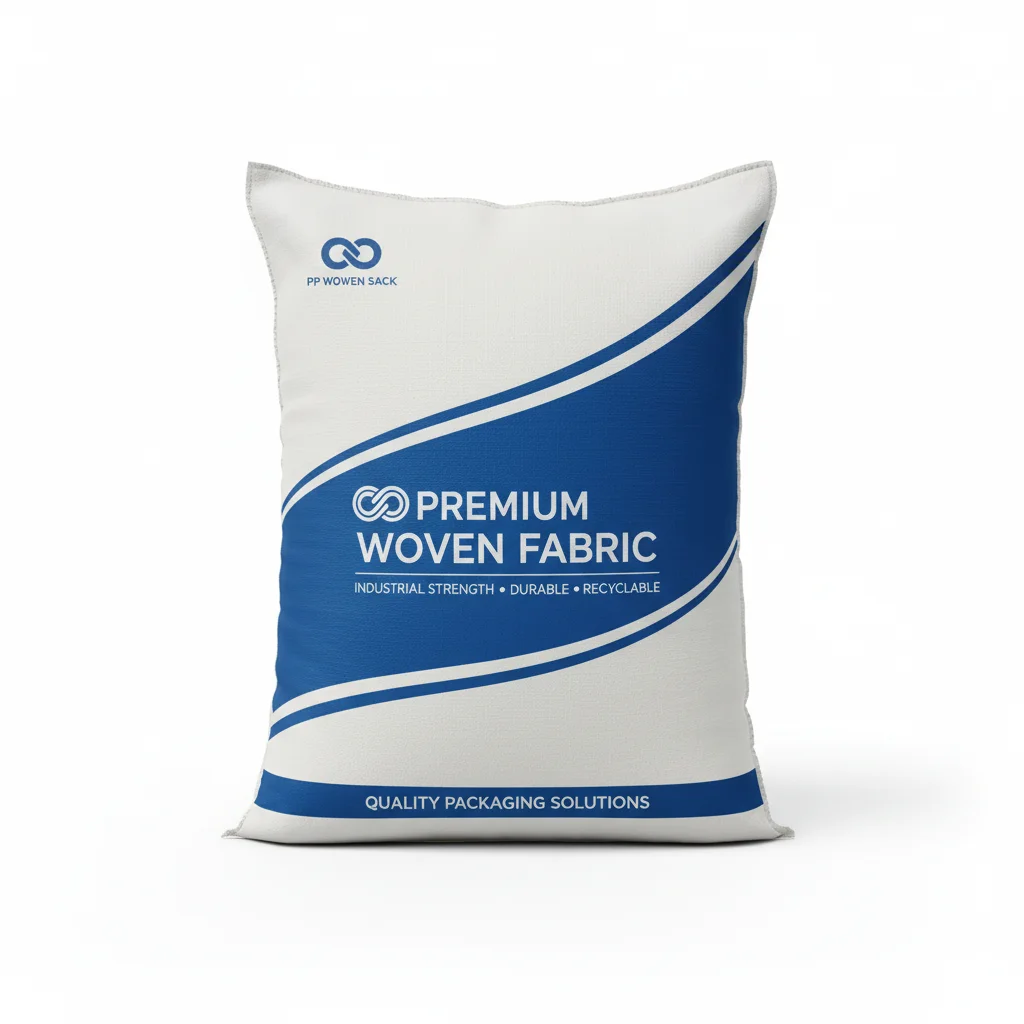
The versatility of pp woven fabric bag is remarkable. They can be customized in size, shape, and color to meet specific requirements. Features like liners, duffle tops, and spouts can be added to enhance functionality and protect contents from contamination or moisture. This adaptability makes them a valuable asset across a wide spectrum of industries, offering a cost-effective and reliable packaging solution.
Defining pp woven fabric bag
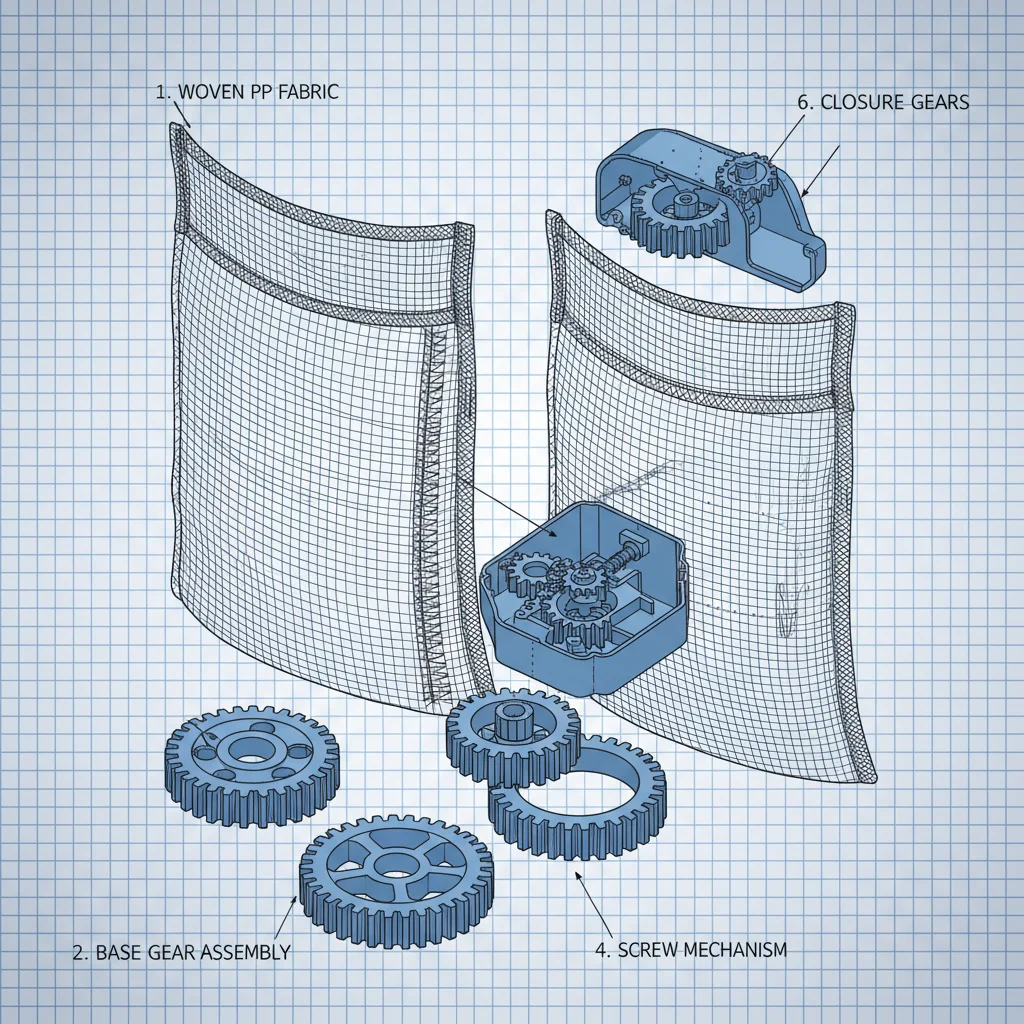
A pp woven fabric bag, at its core, is a container created from polypropylene plastic, formed into threads and then woven into a fabric. This fabric is incredibly strong for its weight, making it suitable for holding substantial loads. Unlike plastic films, the woven structure provides greater tensile strength and tear resistance. The raw polypropylene is extruded into tape-like strands, which are then woven in a specific pattern – typically a plain or twill weave – to create the desired bag structure.
The production of pp woven fabric bag directly addresses the need for efficient and robust packaging in modern industry. Before the widespread adoption of these bags, options were limited to more expensive materials like jute or less durable materials like paper. pp woven fabric bag filled this gap, providing a cost-effective solution that combined strength, durability, and weather resistance.
Importantly, they represent a shift towards more sustainable practices. While not biodegradable, their reusability significantly reduces reliance on single-use plastics, contributing to a decrease in landfill waste. They are an essential component in global supply chains, enabling the safe and efficient transport of goods worldwide.
Key Characteristics of pp woven fabric bag
One of the defining characteristics of pp woven fabric bag is their exceptional Durability. The woven polypropylene fabric is inherently strong and resistant to tearing, punctures, and abrasion. This makes them ideal for handling heavy loads and protecting contents during transportation and storage. This durability contributes to a longer lifespan, increasing the value proposition of using these bags.
Another crucial factor is Cost-Effectiveness. Compared to other packaging materials like jute or multi-layer paper bags, pp woven fabric bag are significantly more affordable to produce. This affordability makes them accessible to a wider range of businesses, particularly those operating on tight margins. Lower packaging costs directly translate to increased profitability.
Moisture Resistance is also a key benefit. Polypropylene is inherently hydrophobic, meaning it repels water. This property makes pp woven fabric bag excellent for protecting contents from moisture damage, particularly important for agricultural products and chemicals. This resistance ensures the integrity of the packaged goods during transit and storage.
Customizability allows these bags to meet specific needs. They can be manufactured in various sizes, colors, and with features like liners, handles, and printing, providing flexible packaging solutions. The ability to customize branding also enhances marketing and product recognition.
Lightweight Nature of the material significantly reduces transportation costs. Compared to heavier packaging alternatives, these bags contribute to lower shipping expenses and improved logistical efficiency.
Finally, their Recyclability – though requiring specialized facilities – offers a pathway toward a circular economy, reducing the environmental impact compared to non-recyclable alternatives.
Applications of pp woven fabric bag Across Industries
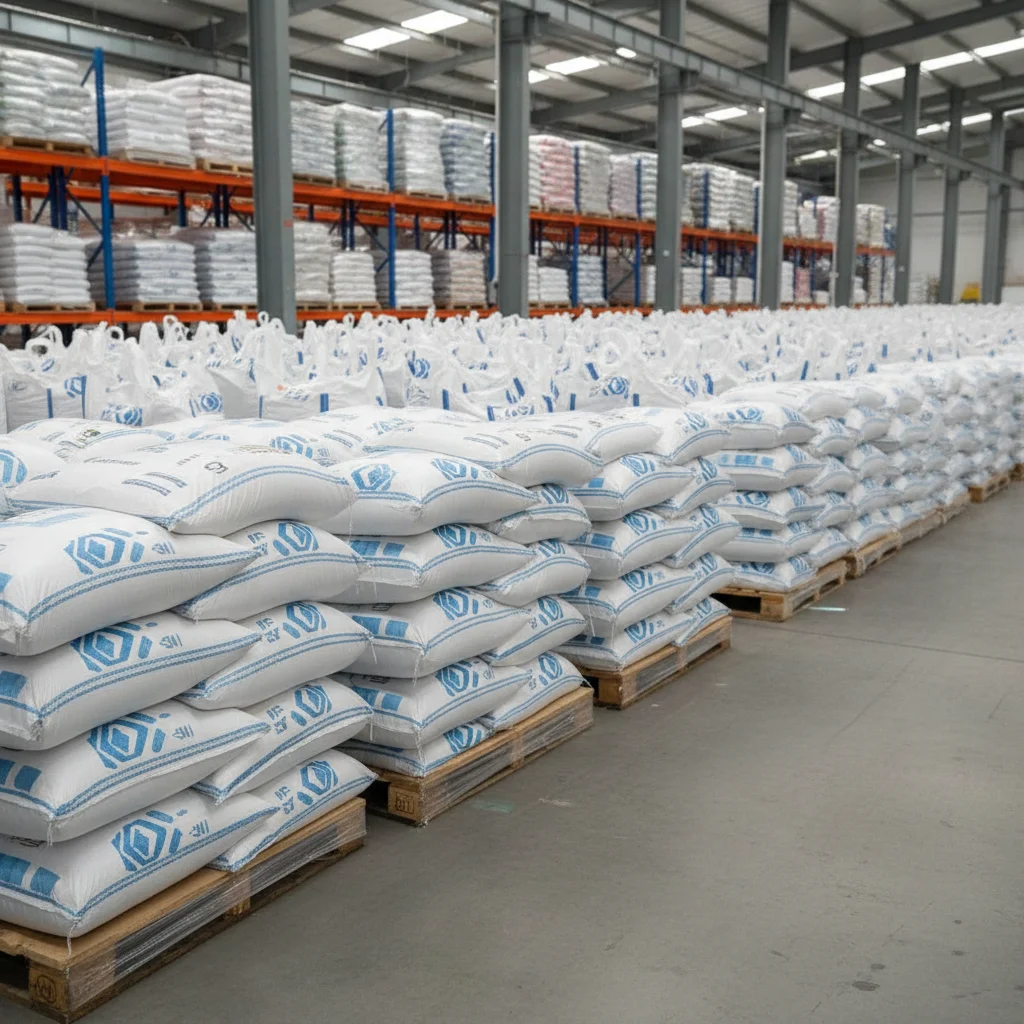
The diverse applications of pp woven fabric bag span numerous industries. In Agriculture, they are extensively used for packaging grains, seeds, fertilizers, and animal feed. Their strength and moisture resistance protect these products during transport and storage, minimizing losses.
The Construction industry relies on pp woven fabric bag for packaging cement, sand, gravel, and other building materials. Their ability to withstand heavy loads and resist tearing makes them ideal for handling these materials on construction sites.
In the Chemical Industry, these bags safely contain powders, granules, and other chemical compounds, ensuring product integrity and preventing leaks or spills. The option of adding liners provides an extra layer of protection against contamination.
Food Processing companies utilize these bags for packaging flour, sugar, rice, and other food staples. Regulations regarding food-grade materials are met by using appropriate liners and ensuring the bags are manufactured in hygienic conditions.
Finally, Retail businesses use smaller versions of pp woven fabric bag as reusable shopping bags, promoting sustainability and brand awareness. These bags offer a durable and cost-effective alternative to plastic bags, reducing environmental impact.
Comparative Strength of Different pp woven fabric bag Construction Methods
Advantages and Long-Term Value of pp woven fabric bag
The advantages of utilizing pp woven fabric bag are multifaceted. From a purely economic standpoint, their cost-effectiveness provides significant savings in packaging expenses, particularly for businesses handling large volumes. This translates directly into increased profitability and a competitive edge in the marketplace.
However, the value extends beyond immediate cost savings. The durability of these bags reduces product loss due to damage during transit and storage, safeguarding investments and maintaining customer satisfaction. This reliability fosters trust and strengthens brand reputation.
Future Trends in pp woven fabric bag Technology
Innovation in the pp woven fabric bag industry is continuously evolving. One key trend is the development of biodegradable additives that can be incorporated into the polypropylene material, accelerating decomposition in landfill conditions. This addresses growing environmental concerns and promotes a more sustainable lifecycle.
Another exciting area is the integration of smart packaging technologies, such as RFID tags and QR codes, to enhance traceability and supply chain visibility. These technologies enable real-time monitoring of goods, improving efficiency and reducing the risk of loss or theft.
Challenges and Solutions Related to pp woven fabric bag
Despite their many benefits, pp woven fabric bag face challenges regarding recyclability. Currently, recycling polypropylene requires specialized facilities, and the infrastructure for collecting and processing these bags is not widely available. A potential solution is to invest in improved recycling infrastructure and promote collaboration between manufacturers, retailers, and consumers to facilitate collection and processing.
Another challenge is the potential for microplastic shedding during the bag's lifespan. Research is underway to develop coatings and treatments that minimize microplastic release, enhancing the environmental sustainability of these bags. Developing stronger, more durable materials to extend the bag's lifespan is also crucial.
Furthermore, the reliance on fossil fuels for polypropylene production raises concerns about carbon emissions. Exploring alternative, bio-based polypropylene sources is a promising avenue for reducing the environmental footprint of pp woven fabric bag.
Summary of Challenges and Potential Solutions for pp woven fabric bag
| Challenge |
Impact |
Proposed Solution |
Implementation Difficulty (1-10) |
| Limited Recyclability |
Increased Landfill Waste |
Investment in Recycling Infrastructure |
7 |
| Microplastic Shedding |
Environmental Pollution |
Development of Protective Coatings |
6 |
| Fossil Fuel Dependence |
Carbon Emissions |
Bio-Based Polypropylene Research |
8 |
| Bag Durability |
Reduced Bag Lifespan |
Use Higher Denier Yarns |
5 |
| Lack of Standardized Guidelines |
Inconsistent Quality |
Industry Collaboration on Standards |
4 |
| Consumer Awareness |
Limited Recycling Participation |
Public Education Campaigns |
3 |
FAQS
pp woven fabric bag offer superior strength and durability compared to traditional plastic bags, reducing the risk of tearing and product damage during transport. They are also reusable, contributing to a decrease in plastic waste and promoting a more sustainable packaging solution. Additionally, the woven structure allows for greater weight capacity, making them suitable for heavier products. Their higher perceived value also reflects positively on brands.
pp woven fabric bag can be highly customized through various methods. You can choose from a wide range of colors and sizes, and incorporate your logo or branding through flexographic printing. Additional features like laminated interiors for moisture protection, duffle tops for easy loading, and reinforced handles can also be added. Collaborating with a reputable manufacturer ensures your specifications are met to the highest quality standards.
While polypropylene is technically recyclable, the infrastructure for recycling pp woven fabric bag is limited in many areas. The best practice is to explore local recycling options and contact your waste management provider. Reusing the bags as many times as possible is the most environmentally responsible approach. Some manufacturers are also exploring closed-loop recycling programs to collect and repurpose used bags.
The lifespan of a pp woven fabric bag varies depending on the quality of the material, the weight of the contents, and the frequency of use. However, a well-constructed bag can typically withstand hundreds of uses and last for several years under normal conditions. Regularly inspecting the bag for signs of wear and tear and addressing any damage promptly will extend its lifespan further.
The cost of pp woven fabric bag in bulk varies depending on factors such as size, weight capacity, printing complexity, and quantity ordered. Generally, prices range from $0.10 to $1.00 per bag for standard sizes and configurations. Obtaining quotes from multiple suppliers is recommended to ensure you receive the most competitive pricing for your specific requirements.
When using pp woven fabric bag for food packaging, it's crucial to ensure the bags meet relevant food safety standards, such as those set by the FDA. Using food-grade liners is essential to prevent contamination. Additionally, verify that the manufacturer adheres to good manufacturing practices (GMP) and provides documentation confirming compliance with applicable regulations. Careful attention to these details is vital to protect public health.
Conclusion
In conclusion, pp woven fabric bag represent a versatile and cost-effective packaging solution with significant advantages over traditional materials. Their durability, moisture resistance, and customizability make them suitable for a wide range of applications across various industries, from agriculture to construction to retail. By understanding the benefits and challenges associated with these bags, businesses and individuals can make informed decisions that align with their specific needs and sustainability goals.
Looking ahead, continued innovation in materials and manufacturing processes will further enhance the performance and environmental profile of pp woven fabric bag. Investing in improved recycling infrastructure, exploring bio-based polypropylene sources, and promoting consumer awareness are crucial steps towards maximizing the long-term value and sustainability of these essential packaging components. To explore customized solutions and bulk purchasing options, visit our website: www.ssjtpack.com.