
Comprehensive Guide to Durable Woven Polypropylene Sacks and Their Applications
February 28, 2026
Woven Polypropylene Sacks: A Comprehensive Guide
Woven polypropylene (PP) sacks are a versatile and cost-effective packaging solution widely used across various industries. Known for their strength, durability, and resistance to moisture, these sacks are ideal for packaging and transporting a diverse range of products, from agricultural goods to building materials. This article provides an in-depth look at woven polypropylene sacks, exploring their features, benefits, applications, and considerations for selecting the right sack for your needs. Understanding these sacks can significantly optimize your packaging processes and reduce costs. Explore our range of high-quality woven polypropylene sacks today!
Understanding Woven Polypropylene Sacks
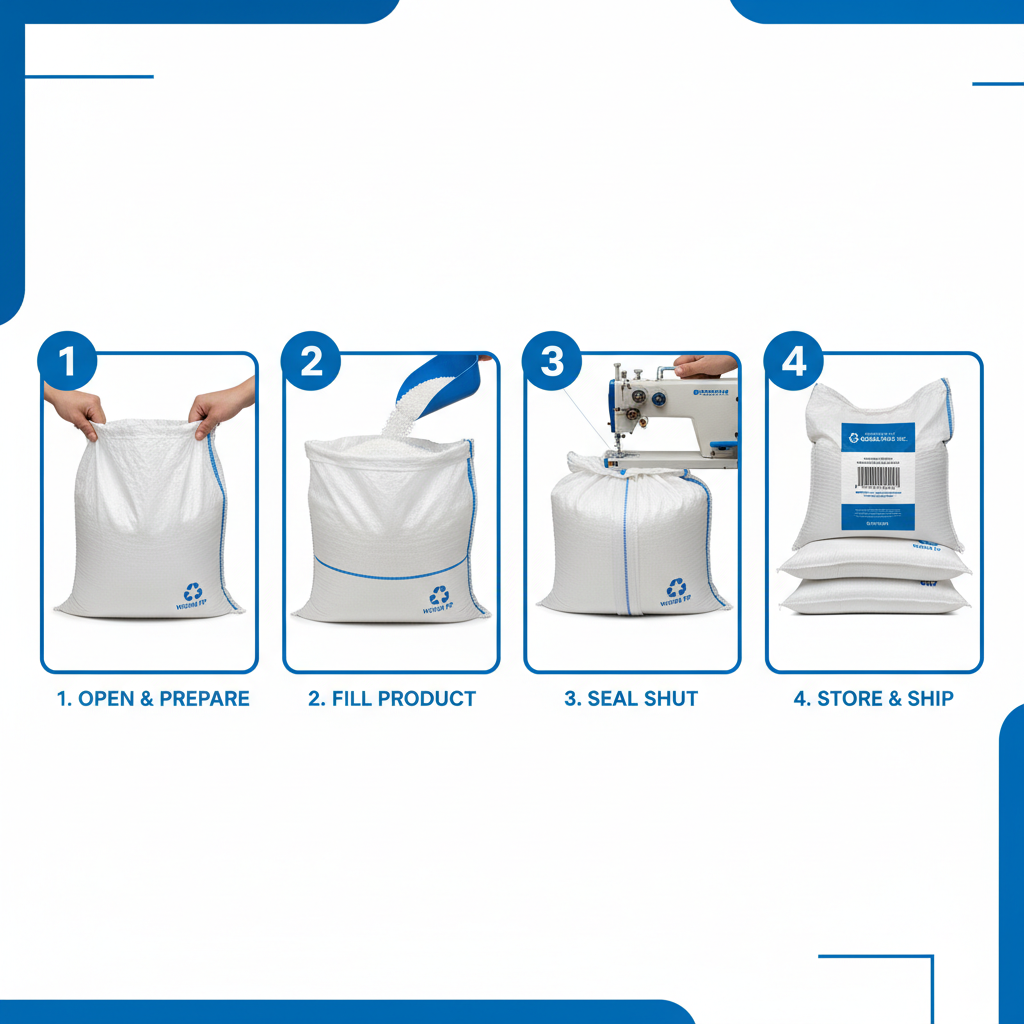
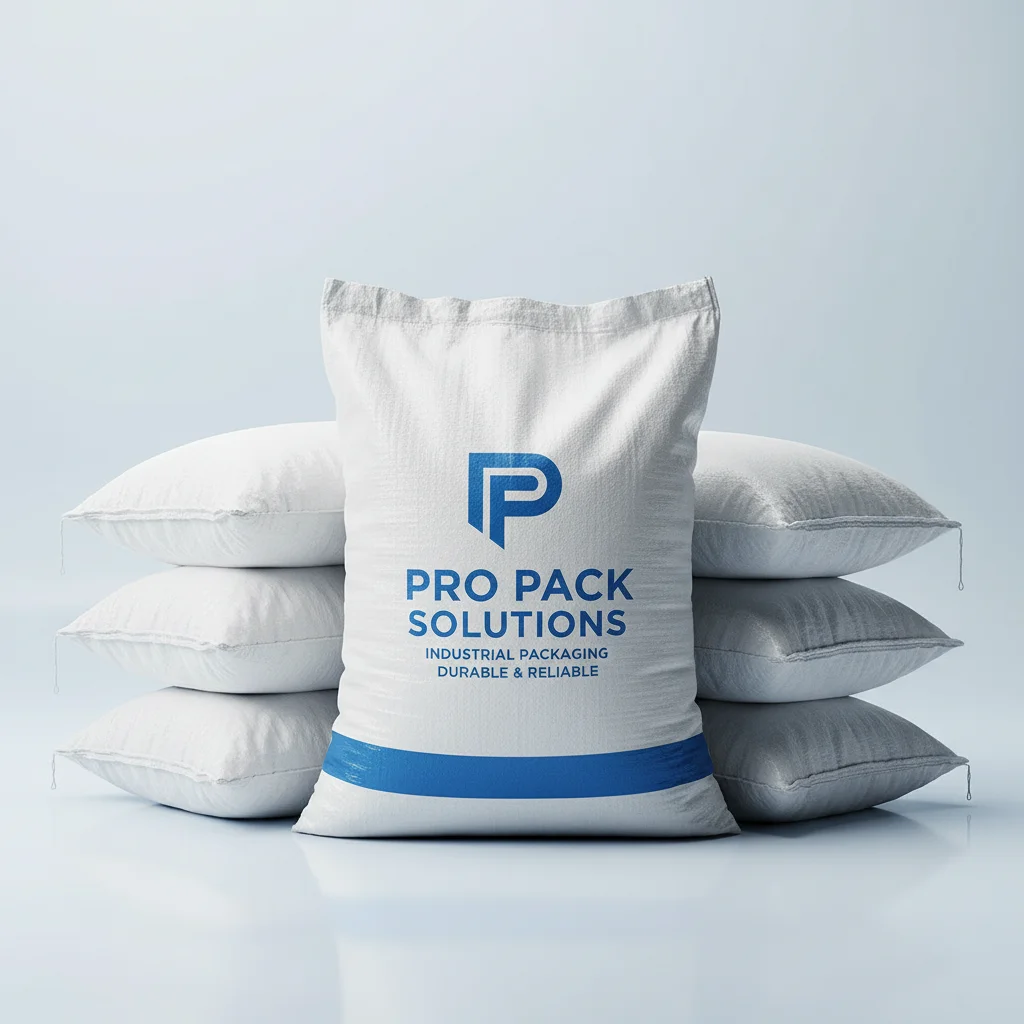
Woven PP sacks are manufactured from polypropylene resin, a thermoplastic polymer. The process involves extruding the resin into ribbons, which are then woven together to create a fabric. This fabric is then laminated (often with polyethylene) to provide moisture resistance and enhance strength. The weaving process determines the sack’s tensile strength and tear resistance. Different weaving patterns and denier (yarn thickness) levels contribute to varying sack properties. These sacks are renowned for their ability to withstand harsh handling during transportation and storage, making them a reliable packaging choice for global trade.
Key Highlights: Manufactured from polypropylene resin, woven for strength, often laminated for moisture resistance, and adaptable to various product requirements.
Key Benefits of Using Woven Polypropylene Sacks
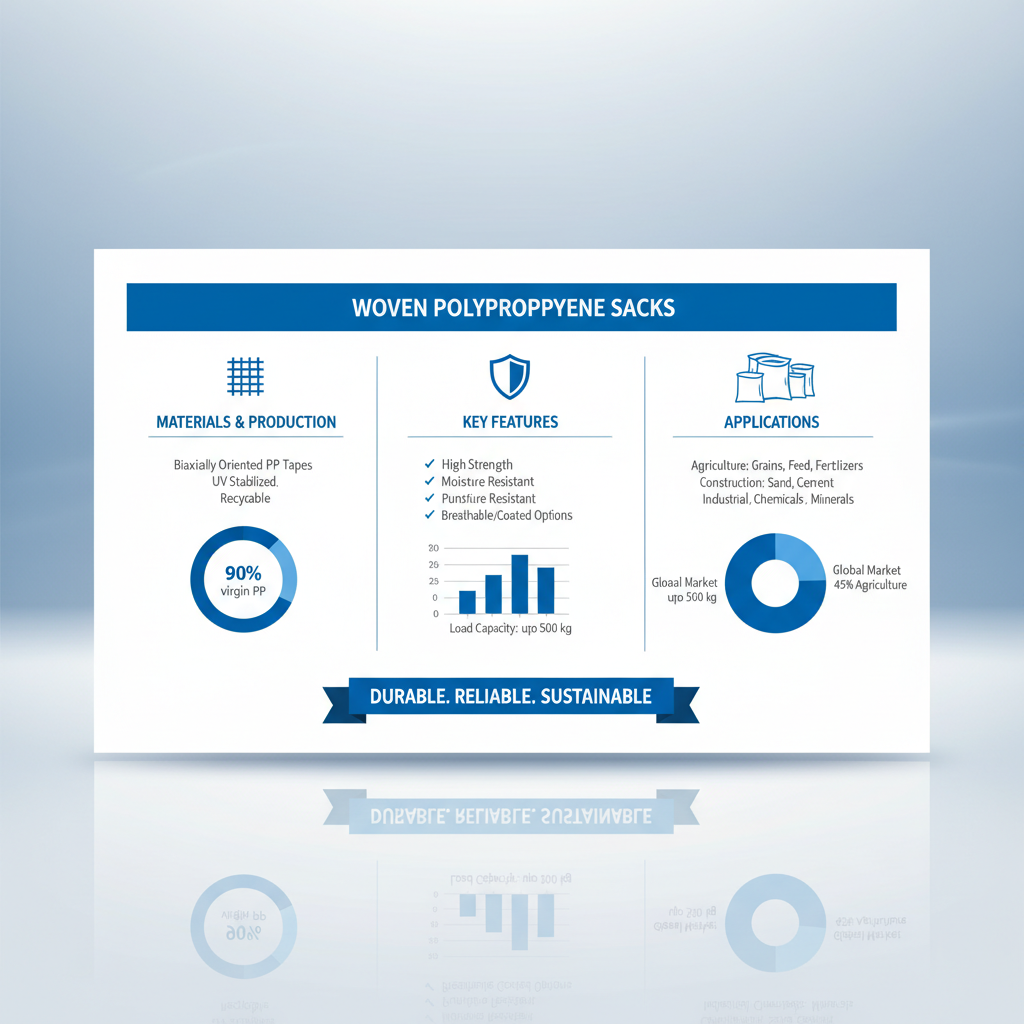
The advantages of using woven PP sacks are numerous. They are significantly lighter than traditional packaging materials like jute or cotton, reducing transportation costs. Their high tensile strength and tear resistance minimize the risk of product damage during handling and transit. The sacks are also resistant to many chemicals, making them suitable for packaging a wide variety of products. Furthermore, they are recyclable, contributing to sustainable packaging practices. Compared to paper sacks, woven PP sacks offer superior moisture resistance, protecting contents from spoilage. These benefits make them a preferred choice for businesses aiming for efficient, reliable, and environmentally conscious packaging solutions.
Benefits at a Glance:
• Lightweight and cost-effective
• High tensile strength and tear resistance
• Chemical resistance
• Recyclable
Applications of Woven Polypropylene Sacks
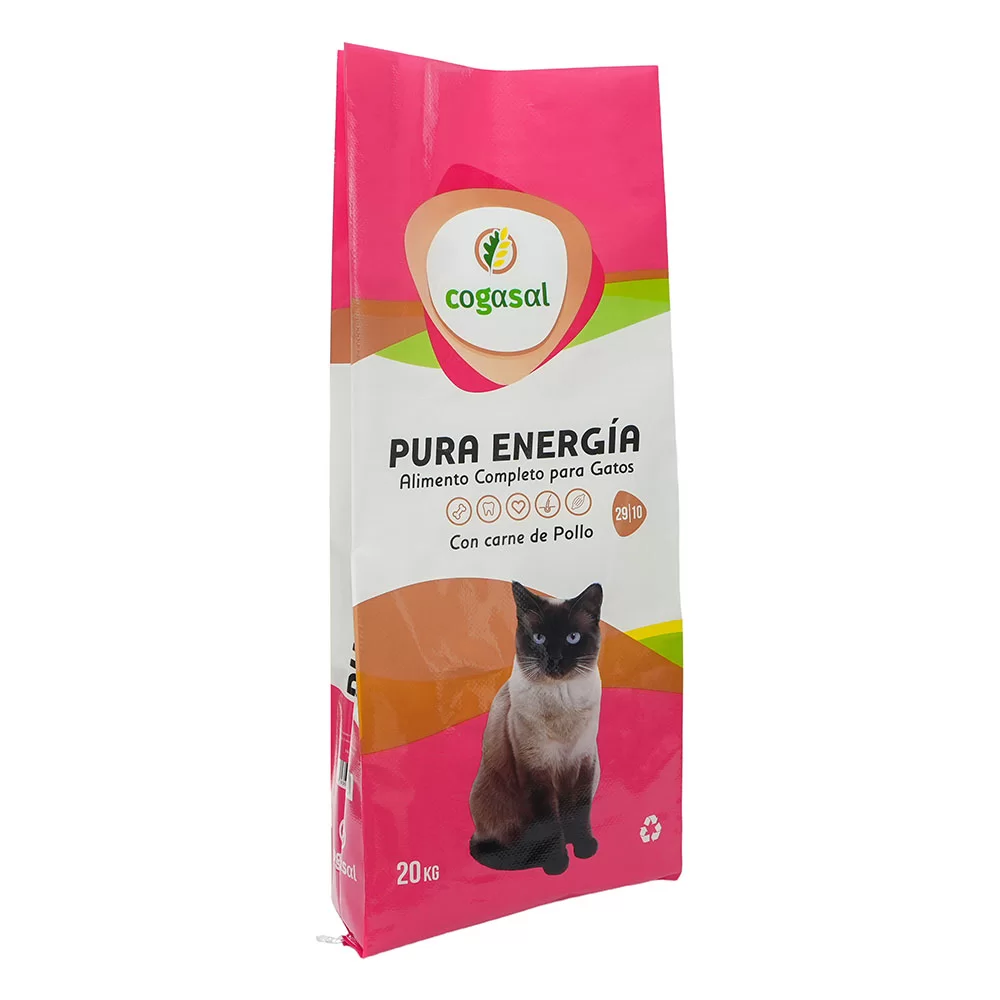
The versatility of woven PP sacks leads to their widespread use across diverse industries. In agriculture, they’re commonly used for packaging grains, feed, fertilizer, and produce. The construction industry utilizes them for cement, sand, and other building materials. Food processing relies on them for packaging flour, sugar, and salt. They also find applications in the chemical industry for packaging powders and granules. Their ability to be customized with printing allows for branding and product information to be clearly displayed, enhancing marketing efforts. Whether it’s bulk packaging or retail-ready solutions, woven PP sacks deliver reliable performance.
Woven Polypropylene Sacks: Specifications & Options
Woven polypropylene sacks come in a wide range of specifications to meet specific packaging needs. Here's a breakdown of common options:
Choosing the Right Woven Polypropylene Sack
Selecting the appropriate woven PP sack requires careful consideration of your product's weight, shape, and sensitivity to moisture. Determine the required tensile strength and tear resistance based on handling and transportation conditions. Consider the need for lamination if moisture protection is crucial. Finally, factor in printing requirements for branding and product information. Partnering with a reliable supplier like SSJT Pack ensures you receive high-quality sacks tailored to your specific needs.
Conclusion: The Versatile Solution for Your Packaging Needs
Woven polypropylene sacks offer a cost-effective, durable, and versatile packaging solution for a wide range of industries. Their strength, moisture resistance, and recyclability make them a sustainable choice for businesses seeking efficient and reliable packaging. Explore the options and choose SSJT Pack for your woven PP sack requirements today!
Frequently Asked Questions (FAQs)
Are woven polypropylene sacks recyclable?
Yes, woven polypropylene sacks are recyclable. Polypropylene is a type of plastic (typically #5) that can be recycled through specialized facilities. Recycling helps reduce landfill waste and conserves resources. However, the recyclability can be affected by factors like lamination and printing inks. Contact your local recycling center to confirm if they accept PP sacks, and consider working with suppliers like SSJT Pack who prioritize sustainable materials and recycling options.
What is the typical lifespan of a woven polypropylene sack?
The lifespan of a woven PP sack varies depending on usage conditions, the quality of the materials, and the weight of the contents. Generally, a well-maintained sack can be used for multiple trips. However, exposure to prolonged UV radiation and harsh weather conditions can degrade the material over time. Regular inspection for wear and tear is crucial. It's recommended to replace sacks if they show signs of damage, such as tears or weakened weaving.
Can woven PP sacks be customized with printing?
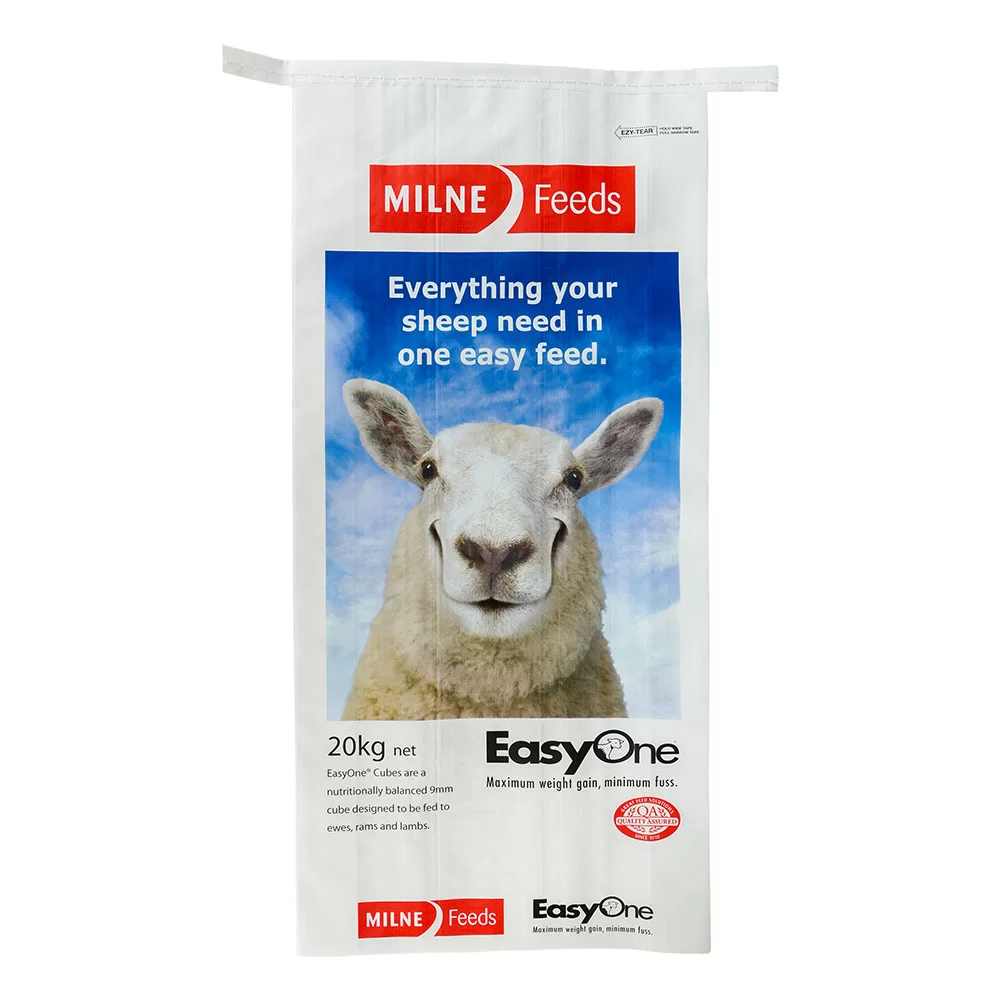
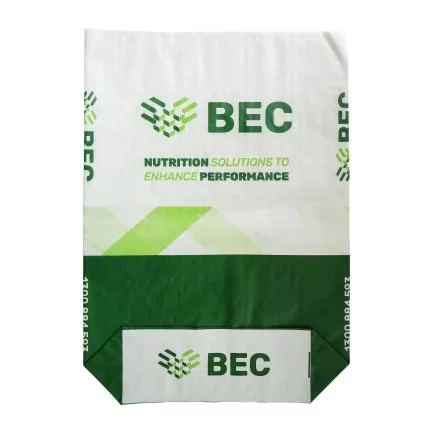
Absolutely. Woven polypropylene sacks can be easily customized with printing, allowing for branding, product information, and safety warnings to be displayed. Different printing methods, such as flexographic printing, are used to achieve high-quality results. SSJT Pack offers a range of printing options to meet your specific requirements. Custom printing enhances brand recognition and provides valuable information to consumers.
What are the advantages of laminated woven polypropylene sacks?
Lamination, typically with polyethylene (PE), significantly enhances the performance of woven PP sacks. It provides excellent moisture resistance, protecting the contents from water damage. Lamination also increases the sack's strength and durability, preventing tears and punctures. The lamination layer can also serve as a base for high-quality printing, improving the visual appeal of the packaging. Laminated sacks are ideal for packaging products that are sensitive to moisture or require extra protection during transportation.
Hit enter to search or ESC to close


