In the complex landscape of industrial packaging, 50kg sacks stand as the global gold standard for transporting granular materials. These high-capacity containers bridge the gap between small retail bags and massive FIBCs, providing a versatile solution for the agricultural, chemical, and construction sectors. Their widespread adoption is driven by the need for a packaging unit that is manageable for human handling while maximizing shipping efficiency.
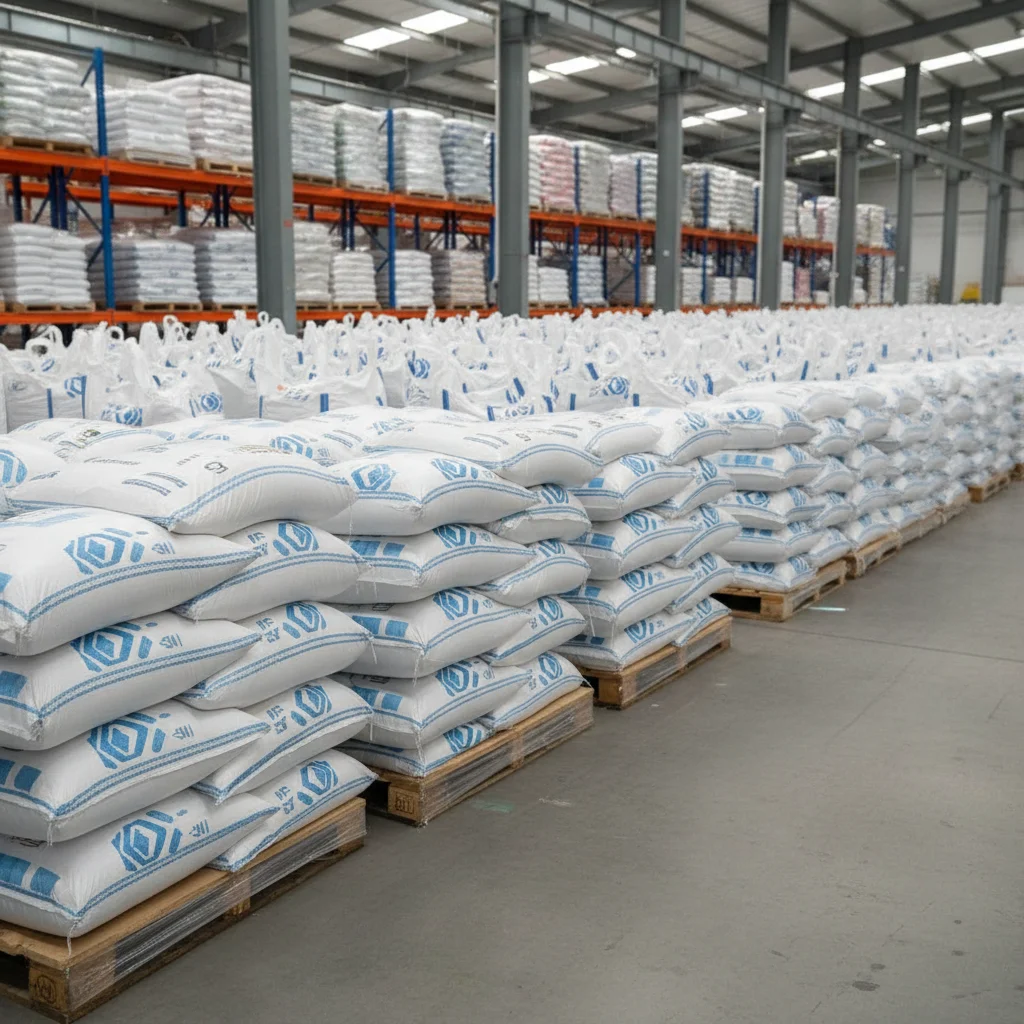
The global logistics chain relies heavily on the consistency of 50kg sacks to maintain a streamlined flow of commodities like rice, cement, and plastic resins. By adhering to a standardized weight, companies can optimize palletization and warehouse racking, reducing the risk of structural collapse and improving inventory turnover. This uniformity is not merely a convenience but a critical operational requirement for international trade compliance and safety protocols.
However, the challenge lies in balancing raw strength with material efficiency. As industries move toward more sustainable practices, the engineering behind these 50kg sacks has evolved from simple weaving to advanced polymer science. Understanding the nuances of GSM (grams per square meter), UV stabilization, and lamination is essential for any business looking to reduce product loss and environmental impact during long-haul transit.

Global Industry Context of 50kg Sacks
The global demand for 50kg sacks is intrinsically linked to the growth of emerging economies in Asia and Africa. In these regions, agricultural outputs and construction materials are predominantly moved in these specific weight increments to align with local labor capabilities and traditional transport methods. According to industrial trends, the shift toward virgin polypropylene has significantly reduced spoilage in food supply chains.
Furthermore, the adoption of ISO-standardized dimensions for these sacks has allowed for a seamless integration into automated filling lines. This evolution from manual bagging to high-speed precision filling has increased production throughput by nearly 40% in modern facilities, ensuring that the 50kg weight limit is maintained with surgical precision to avoid shipping overages.
Defining the Standard 50kg Sack
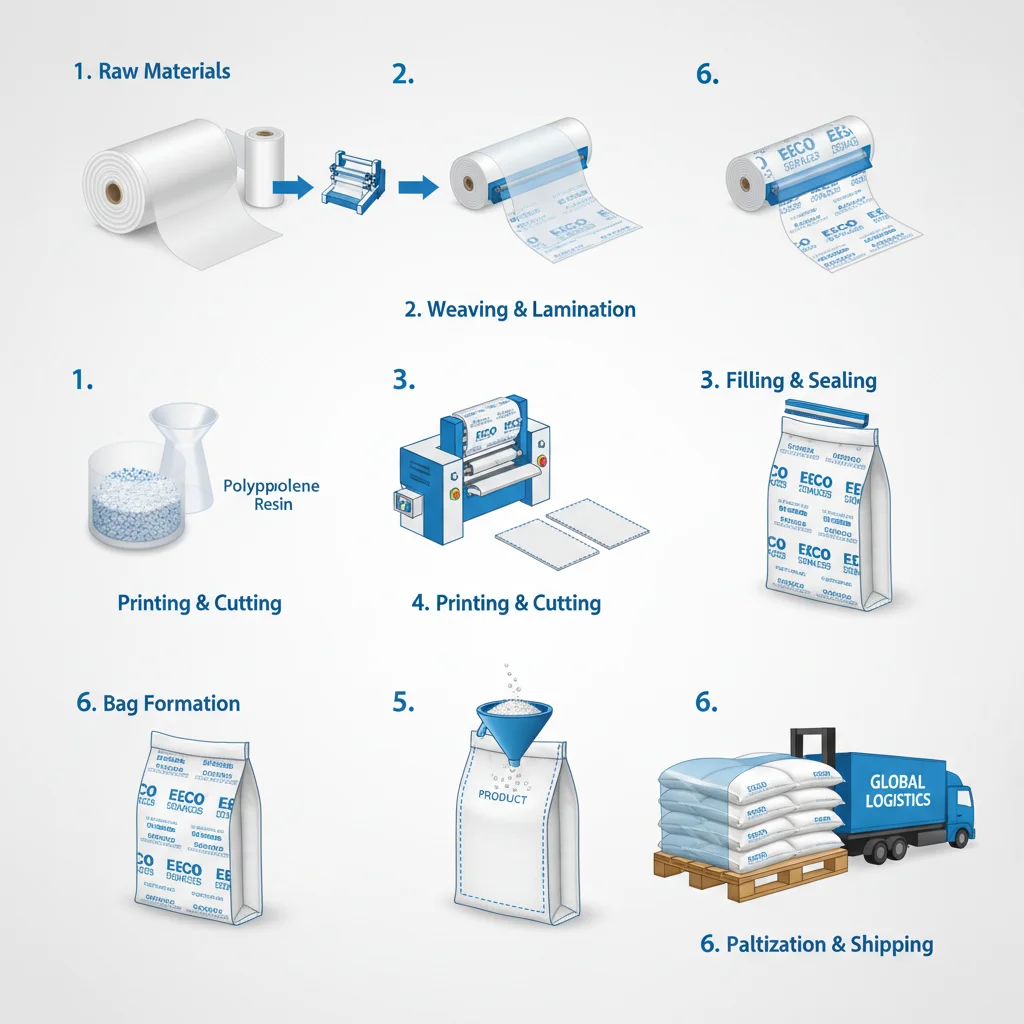
At its core, a 50kg sack is a heavy-duty flexible container specifically engineered to hold a net weight of 50 kilograms of dry bulk material. While the weight is the defining characteristic, the "standard" refers to the tensile strength and burst resistance required to hold such a load during repetitive handling. Most are manufactured using circular weaving technology from polypropylene (PP) tapes, creating a seamless cylinder that eliminates leak points along the sides.
Beyond simple containment, these sacks serve as a critical interface in humanitarian aid and global commerce. Whether it is providing emergency grain shipments to disaster-stricken zones or transporting industrial-grade polymers to a factory, the 50kg format ensures that the cargo is portable enough for a single worker to maneuver but large enough to maintain bulk efficiency.
In modern manufacturing, the definition has expanded to include specialized variants such as BOPP laminated sacks or valve bags. These iterations maintain the 50kg capacity but add layers of protection against moisture, UV radiation, and chemical degradation, transforming a simple bag into a high-tech protective barrier for sensitive industrial materials.
Core Components of High-Performance Sacks
The durability of 50kg sacks begins with the material grade. Using 100% virgin polypropylene ensures that the polymer chains are unbroken, providing maximum tensile strength. This prevents the "stretching" effect that occurs with recycled materials, which can lead to bags losing their shape and causing pallet instability during transit.
Scalability in production is achieved through the adjustment of GSM (grams per square meter). For a standard 50kg sack, a density between 60gsm and 120gsm is typically employed. This allows manufacturers to tailor the fabric thickness based on the abrasiveness of the contents—for instance, using a heavier weave for jagged gravel and a lighter, tighter weave for fine flour.
Finally, cost-efficiency is optimized through advanced finishing techniques. BOPP lamination not only enhances the aesthetic appeal for commercial branding but also adds a critical moisture barrier. By integrating these components, a 50kg sack becomes more than just a container; it becomes a tool for quality assurance, ensuring the product reaches the end-user in the exact condition it left the factory.
Practical Applications and Global Use Cases
The versatility of 50kg sacks allows them to be deployed across wildly different environments. In the agricultural heartlands of Southeast Asia, they are indispensable for the harvest and transport of rice and corn. In these contexts, breathability is key, and uncoated PP woven fabric is preferred to prevent mold growth by allowing natural airflow through the weave.
Conversely, in the industrial zones of Europe and North America, these sacks are often laminated to hold chemical resins and specialized powders. In these high-stakes environments, the focus shifts to "zero-leakage" specifications. The use of valve bags allows for automated filling and airtight sealing, ensuring that hazardous or expensive chemicals are not lost to the atmosphere during shipment.
Efficiency Comparison of 50kg Sacks by Material Type
Long-Term Value and Economic Advantages
Investing in premium 50kg sacks yields significant dividends in reduced waste. Lower-quality bags often suffer from "seam failure" or "pinholing," leading to product leakage that can ruin entire pallets. By using high-tensile virgin PP, companies reduce their loss rate from a typical 5-8% down to under 2%, which directly impacts the bottom line in high-volume operations.
Beyond the financial metrics, there is a profound psychological value in reliability. When a logistics manager knows that their packaging can withstand the rigors of a 30-day ocean voyage without degradation, it fosters trust across the supply chain. This reliability ensures that the dignity of the end-product is maintained, and the brand's reputation for quality is upheld from the factory floor to the final destination.
Future Innovations in Sack Technology
The future of 50kg sacks is increasingly green. We are seeing a transition toward bio-based polypropylene and the integration of biodegradable additives that allow the sacks to break down in anaerobic landfill conditions. This shift addresses the growing global concern over plastic pollution while maintaining the load-bearing strength required for heavy industrial use.
Digital transformation is also entering the packaging space. "Smart Sacks" featuring embedded RFID tags or QR codes are becoming more common. These allow for real-time tracking of a 50kg unit as it moves through a global warehouse system, providing instant data on batch numbers, origin, and weight verification without needing to open the package.
Automation is further refining the manufacturing process. New circular weaving looms can now adjust tension in real-time, creating a fabric with uniform strength across the entire surface. This eliminates "weak spots" that previously occurred during the weaving process, ensuring that every single sack in a million-unit order performs identically under stress.
Overcoming Common Packaging Challenges
One of the most persistent challenges with 50kg sacks is UV degradation. When stored outdoors, sunlight breaks down the polymer chains, leading to brittleness and eventual failure. The solution lies in the integration of HALS (Hindered Amine Light Stabilizers) during the extrusion process, which creates a chemical shield that extends the outdoor lifespan of the bag from a few weeks to several months.
Another common issue is moisture ingress in non-laminated bags. For products like sugar or fine chemicals, even a small amount of humidity can cause clumping. The expert approach is the use of a PE (polyethylene) inner liner. This dual-layer system combines the external structural strength of the PP woven fabric with the internal moisture-proof barrier of the liner, providing a comprehensive protection strategy.
Finally, the "slippage" of sacks during palletization often leads to unstable loads and transit accidents. To solve this, manufacturers are implementing anti-slip coatings or textured weaving patterns on the surface of the sacks. This increases the coefficient of friction between bags, allowing them to be stacked higher and more securely without the need for excessive shrink-wrap.
Comparative Analysis of 50kg Sack Specifications and Performance
| Sack Material Type | Tensile Strength (1-10) | Moisture Resistance | Ideal Application |
|---|
| Plain PP Woven | 7 | Low (Breathable) | Grains & Seeds |
| PE Coated PP | 8 | High (Waterproof) | Chemical Powders |
| BOPP Laminated | 9 | Very High | Premium Pet Food |
| UV-Stabilized PP | 8 | Medium | Outdoor Construction |
| Valve Bag Design | 10 | High (Airtight) | Cement & Lime |
| Recycled PP Blend | 5 | Low | Internal Low-Risk Use |
FAQS
The 50kg weight is a global compromise between logistical efficiency and human ergonomics. It is the maximum weight that an average worker can lift and move repeatedly throughout a shift without excessive risk of injury, while still being large enough to reduce the total number of bags needed for bulk transport. This standardization allows for uniform pallet sizing and streamlined shipping calculations across different countries.
Uncoated sacks are breathable, making them ideal for agricultural products like grains or potatoes that need to "breathe" to avoid moisture buildup and rot. Coated sacks have a thin layer of polyethylene (PE) laminated to the fabric, making them water-resistant and airtight. This is essential for fine powders, chemicals, or salts that would otherwise absorb moisture from the air or leak through the weave.
Tearing is usually prevented by focusing on three areas: Material Grade, GSM, and Seam Quality. Using 100% virgin PP ensures high tensile strength. Increasing the GSM (fabric thickness) provides better puncture resistance. Most importantly, ensuring a double-stitched or heat-sealed bottom seam prevents the bag from bursting under the pressure of a 50kg load when dropped or stacked.
Yes, absolutely. The most effective way to brand these sacks is through BOPP (Biaxially Oriented Polypropylene) lamination. This allows for high-resolution, photographic-quality printing that is fused to the bag. Unlike traditional ink printing, BOPP lamination does not scratch off and provides an extra layer of protection, making the packaging a powerful marketing tool at the retail level.
Standard PP sacks will begin to degrade within 4-8 weeks of direct sunlight exposure. However, sacks treated with UV-stabilizers (HALS) can last significantly longer, often maintaining their structural integrity for 6-12 months outdoors. For long-term outdoor storage, we recommend UV-stabilized fabric combined with a laminated outer layer to prevent both solar degradation and rain penetration.
Yes, polypropylene is a thermoplastic, meaning it can be melted down and reshaped. 50kg sacks can be collected, cleaned, and pelletized to create new plastic products, such as automotive parts or plastic lumber. By choosing virgin PP sacks, you ensure the material remains pure, which actually increases the quality and recyclability of the plastic at the end of its lifecycle.
Conclusion
In summary, 50kg sacks are far more than simple containers; they are engineered tools that ensure the stability and safety of the global supply chain. From the critical selection of virgin polypropylene to the application of UV stabilizers and BOPP lamination, every detail contributes to the reduction of waste and the optimization of logistics. By balancing durability, cost, and ergonomics, these sacks remain the most efficient method for transporting mid-scale bulk materials worldwide.
Looking forward, the integration of sustainable bio-polymers and smart-tracking technology will further refine the role of the 50kg sack in a digital, eco-conscious economy. For businesses seeking to minimize product loss and maximize shipping efficiency, upgrading to high-performance, precision-woven packaging is no longer optional—it is a strategic necessity. To explore the best packaging solutions for your specific industry, visit our website: www.ssjtpack.com.