
High Quality Industrial PP Flour Bag for Durable Packaging
June 26, 2026
Choosing the Perfect PP Flour Bag for Industrial Packaging
In the competitive world of food manufacturing and distribution, the integrity of packaging is the first line of defense for product quality. The pp flour bag has emerged as the industry standard due to its exceptional strength-to-weight ratio and cost-effectiveness. Whether you are transporting bulk wheat flour, corn starch, or specialized baking mixes, selecting a bag that prevents leakage and resists contamination is critical. In this comprehensive guide, we will explore the technical advantages of polypropylene woven materials and how they ensure your product reaches the consumer in pristine condition.

Material Science Behind the PP Flour Bag
Polypropylene (PP) is a thermoplastic polymer known for its high tensile strength and chemical resistance. When woven into a fabric, it creates a robust structure capable of withholding heavy loads without stretching or tearing. A high-quality pp flour bag is engineered to withstand the rigors of automated filling lines and rough handling during transit. The interlacing of PP tapes provides a dimensional stability that prevents the "bulging" effect common in lower-grade plastics, ensuring that bags stack neatly in warehouses, which maximizes storage efficiency and reduces shipping costs.
Technical Edge: PP materials are naturally moisture-resistant and inert, meaning they do not react with the flour, preserving the taste and shelf-life of the food product.
Durability and Protection Features of PP Flour Bags
One of the primary challenges in flour packaging is preventing "sifting" or leakage of fine powder. To combat this, professional manufacturers often apply a BOPP lamination or an internal PE liner to the pp flour bag. This creates an airtight barrier that protects the contents from external humidity and pests. Furthermore, UV stabilization is often added to the PP resin to prevent the bags from becoming brittle when exposed to sunlight during outdoor storage or transport. These enhancements ensure that the packaging remains intact from the mill to the bakery.
Core Protection Benefits:
• High Tear Resistance: Prevents accidental punctures during loading.
• Moisture Barrier: Keeps flour dry and prevents clumping.
• UV Protection: Maintains structural integrity under sunlight.
• Breathability Control: Adjustable weave density for different grain types.
Comparing PP Flour Bag Options vs. Paper Alternatives
While multi-wall paper bags have been used for decades, the modern pp flour bag offers superior performance in harsh environments. Paper is prone to bursting when exposed to moisture or sharp edges, whereas woven PP is nearly impossible to tear by hand. Additionally, PP bags allow for high-resolution photographic printing via BOPP film, giving brands a significant marketing advantage on the retail shelf. The following table highlights the critical differences between these two common packaging mediums.
Customization and Branding for PP Flour Bags
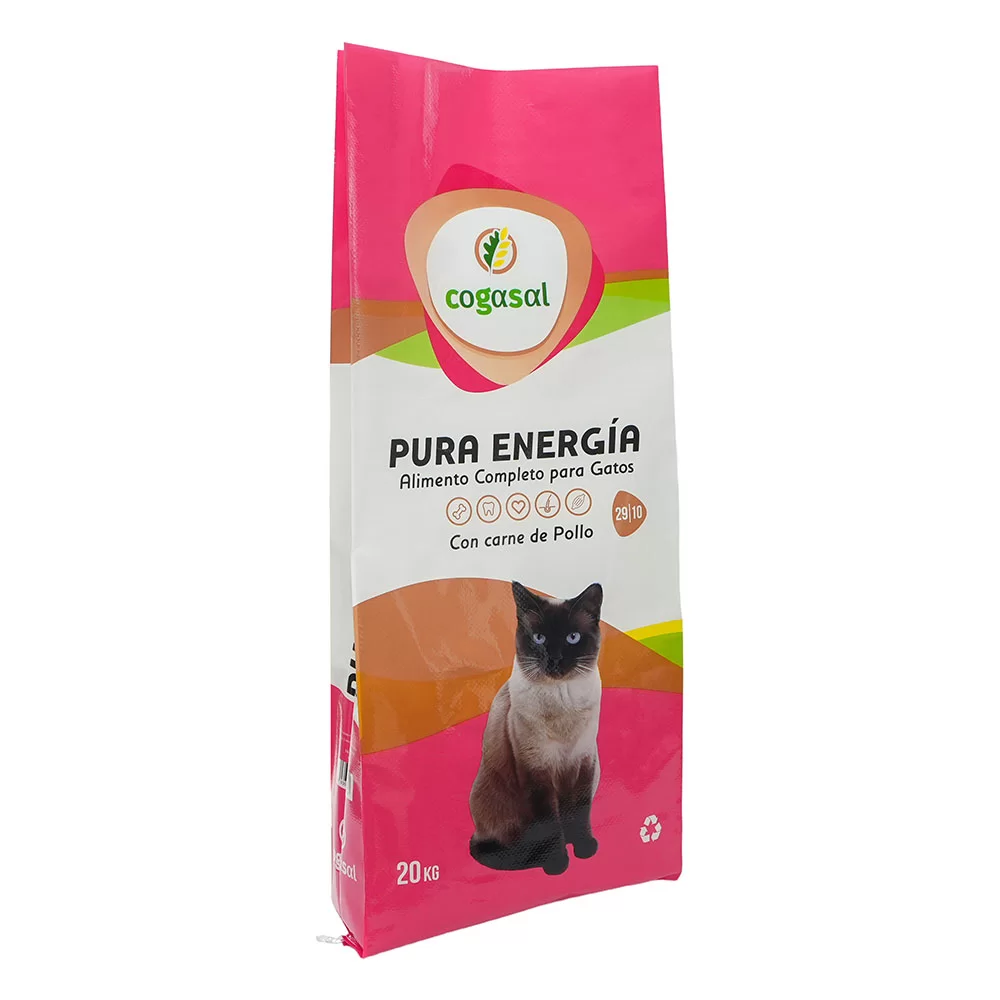
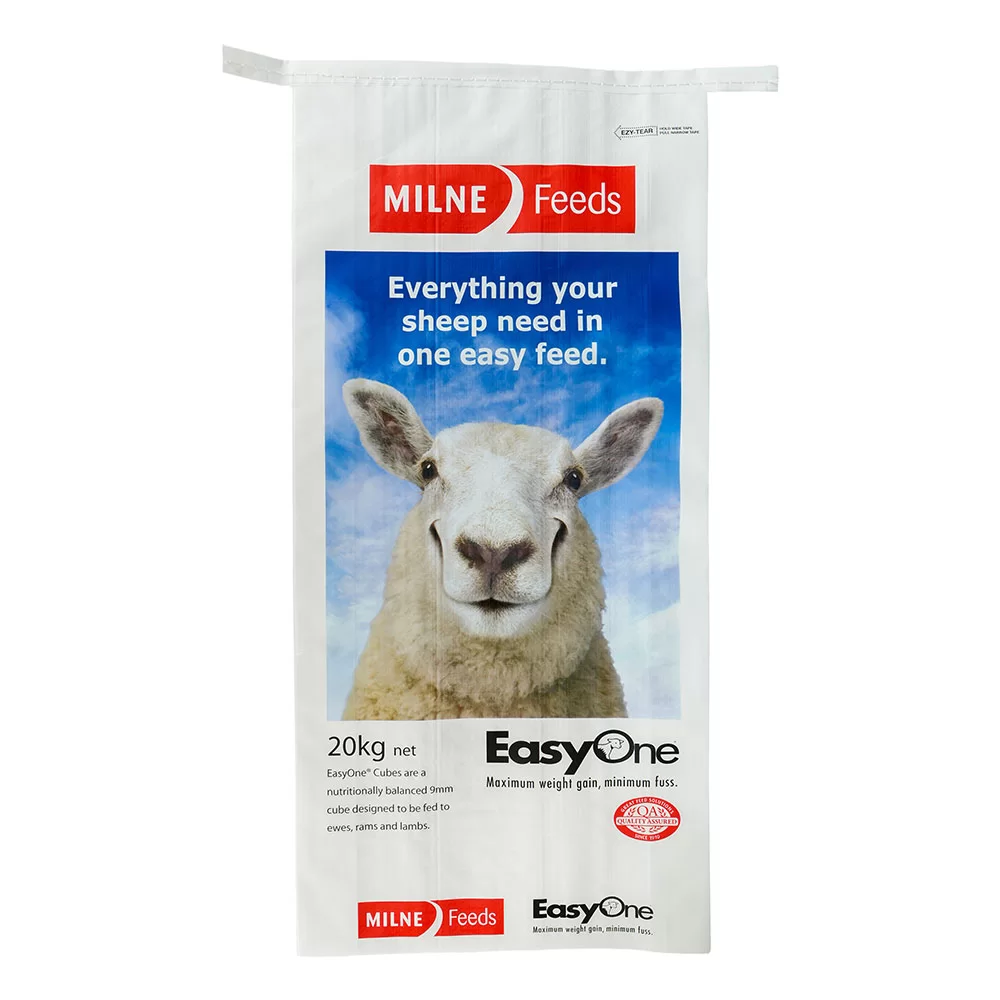
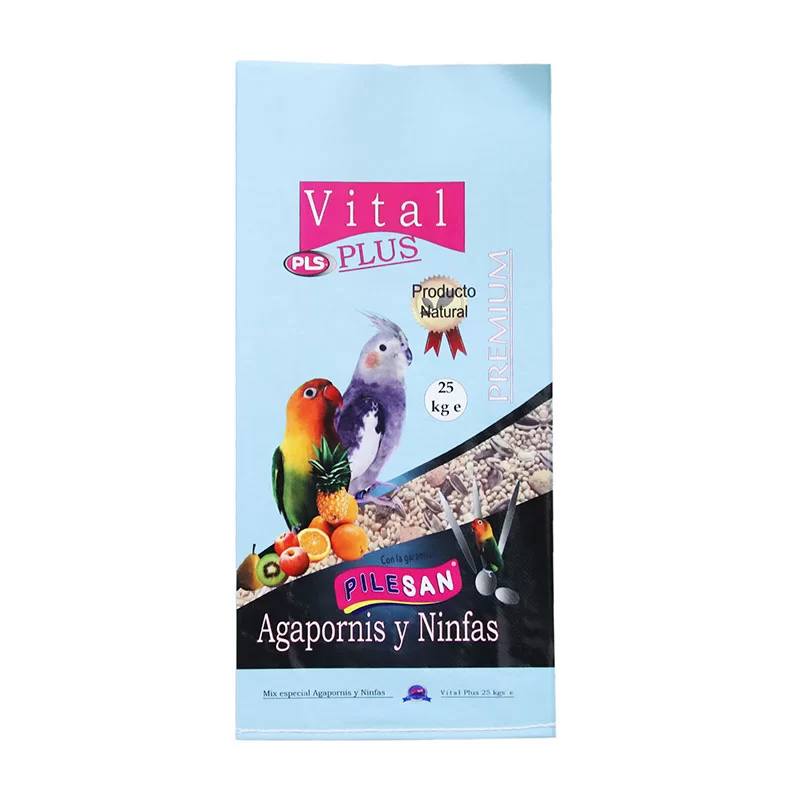
In a crowded marketplace, your packaging is your billboard. The pp flour bag allows for extensive customization. Beyond simple colors, brands can utilize multi-color printing to display nutritional facts, barcodes, and vibrant imagery. Custom sizes can be tailored to fit specific weight requirements, from 1kg retail packs to 50kg industrial sacks. By optimizing the bag design, companies can reduce material waste while enhancing the perceived value of their product, ensuring a professional presentation that builds consumer trust.

Technical Specifications of Industrial PP Flour Bags
To ensure the right fit for your production line, it is essential to understand the technical parameters of the bags. A standard pp flour bag is measured by its denier (the thickness of the yarn) and the mesh count (the number of threads per inch). Higher denier values generally indicate a stronger bag capable of carrying heavier loads. Below are the typical specifications found in industrial-grade polypropylene packaging for flour.
Sustainability and the Future of PP Packaging
As global industries shift toward greener practices, the pp flour bag is evolving. Modern polypropylene is 100% recyclable, reducing the environmental footprint compared to non-recyclable composites. Many manufacturers are now incorporating PCR (Post-Consumer Recycled) resins into their weaving process to further decrease reliance on virgin plastics. By choosing a durable bag that resists bursting, companies also reduce product waste, which is a significant environmental win for the food supply chain.
Conclusion: Optimizing Your Logistics with PP Flour Bags
Investing in a high-quality pp flour bag is more than just a packaging choice; it is a strategic decision to protect your product, enhance your brand, and optimize your supply chain. From the incredible tensile strength of woven polypropylene to the high-end aesthetics of BOPP lamination, these bags provide a versatile solution for the modern flour industry. Ensure your product is safe and your brand is visible by partnering with a manufacturer that prioritizes quality and innovation.
Frequently Asked Questions (FAQs)
Why is polypropylene preferred over paper for flour packaging?
Polypropylene is preferred primarily due to its superior durability and moisture resistance. Unlike paper bags, which can tear easily if they become damp or are subjected to rough handling, a pp flour bag is virtually waterproof and possesses immense tensile strength. This significantly reduces the rate of product loss during long-distance shipping and warehousing. Additionally, PP bags are more sustainable in terms of recyclability and offer better printing options for brand visibility.
Can PP flour bags be customized for different sizes and prints?
Absolutely. One of the greatest advantages of the pp flour bag is its versatility. Manufacturers can produce bags in a wide range of dimensions to accommodate weights from small retail portions to massive industrial loads. For printing, BOPP lamination allows for photorealistic graphics and vibrant colors, enabling companies to create professional packaging that stands out on retail shelves while clearly communicating brand values and product information.
How do you prevent fine flour from leaking through the woven fabric?
To prevent the leakage of fine powders, manufacturers use two main techniques. First, a thin layer of polyethylene (PE) can be coated or laminated onto the inner surface of the pp flour bag, which seals the gaps in the weave. Alternatively, a separate PE inner liner can be inserted. Both methods ensure that the flour remains contained and protected from external humidity, which is critical for maintaining the quality of the powder and preventing waste during transport.
Are these bags safe for food contact?
Yes, high-quality pp flour bags are made from food-grade virgin polypropylene. This material is chemically inert, meaning it does not leach harmful chemicals into the flour or alter the taste and smell of the product. When produced by certified manufacturers, these bags comply with international food safety standards, making them a safe and reliable choice for packing grains, flours, and other dry food powders across the globe.



Hit enter to search or ESC to close


