
What is a pinch bottom bag?
November 16, 2026
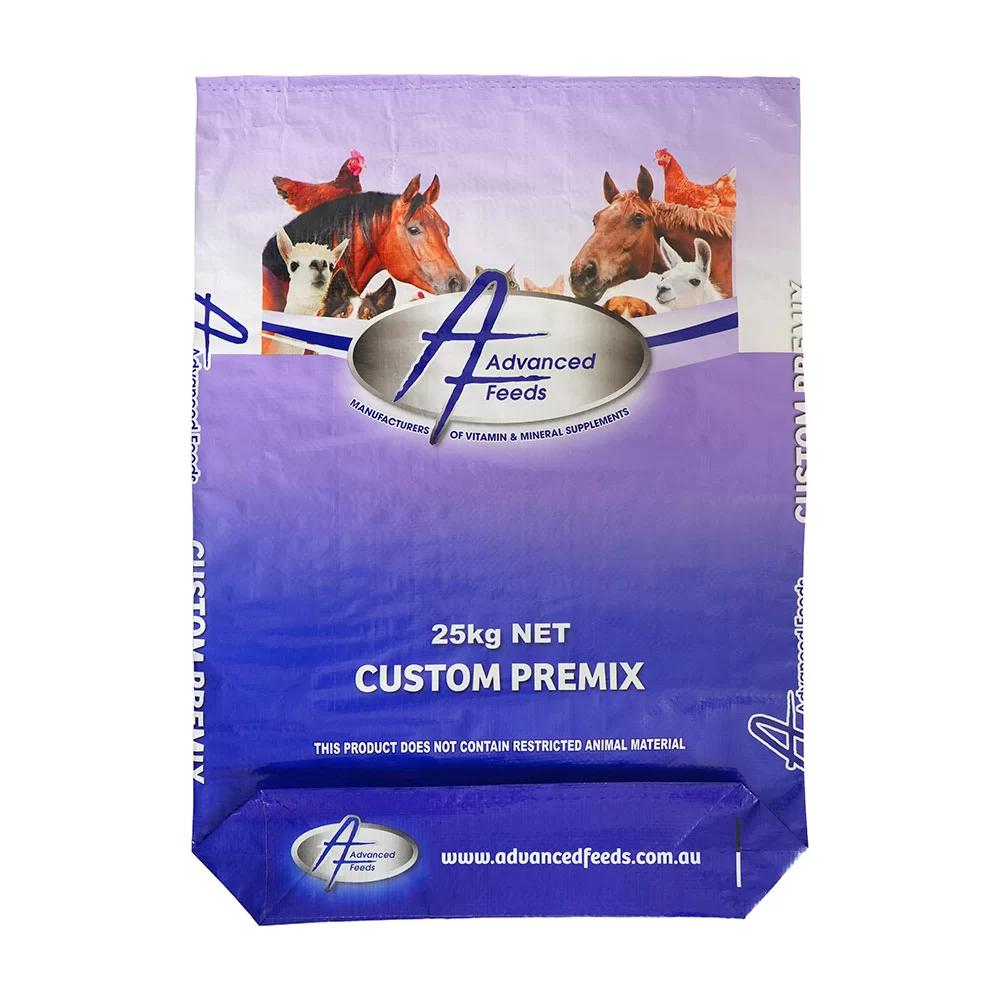
A pinch bottom bag is an industrial packaging bag with a specially formed and sealed bottom. Instead of using traditional stitching to close the bottom, this bag uses heat and pressure to bond the folded material layers together, creating a flat, compact closure. It is commonly used for packaging powders, granules, and other bulk materials that require secure containment during filling, storage, and transportation.
For manufacturers handling cement, dry mortar, chemicals, and mineral products, the bottom closure is more than a structural detail. It affects material leakage, package handling, and pallet stability. Understanding how a pinch bottom bag works can help buyers determine whether this packaging design fits their filling process and product requirements.
What Makes a Pinch Bottom Bag Different from a Regular Woven Bag?
The main difference lies in how the bottom is constructed and sealed.
A conventional open-mouth woven bag often uses stitching to close its bottom. Although this method is widely used, needle holes can create potential leakage points when packaging fine powders. The stitched area may also require additional protection depending on the material and transportation conditions.
A pinch bottom bag uses a different approach. During production, the bottom section is folded into a specific shape, and the overlapping layers are bonded through a controlled heat-pressing process. This creates a flatter and more compact bottom closure without relying on conventional bottom stitching.
For buyers comparing packaging options, the differences are worth considering:
| Feature | Pinch Bottom Bag | Conventional Sewn Bag |
|---|---|---|
| Bottom Closure | Heat-pressed and bonded | Stitched with thread |
| Bottom Appearance | Flat and compact | Stitched seam |
| Potential Leakage Points | No conventional needle holes at the bottom | Needle holes along the seam |
| Package Shape | Designed for a regular bottom profile | Depends on bag construction |
| Typical Applications | Powders and industrial bulk materials | Powders, granules, and general bulk goods |
The actual leakage performance of either design depends on fabric construction, coating, sealing quality, and the properties of the packed material. A pinch bottom structure offers a useful alternative when buyers want to reduce the leakage risks associated with traditional sewn closures.

How Does the Pinch Bottom Sealing Process Work?
The sealing process is what distinguishes this bag from many conventional woven sacks. It involves more than simply folding the bottom and applying heat. The material layers must be positioned correctly and bonded under controlled production conditions.
A typical manufacturing process includes several steps:
Bottom Folding: The lower section of the bag is folded into the required pinch-bottom configuration.
Layer Positioning: The overlapping material layers are aligned to ensure consistent contact during sealing.
Heat Application: Controlled heat softens or activates the bonding layer, depending on the bag construction.
Pressure Bonding: Pressure is applied to join the layers and form a compact bottom closure.
Cooling and Inspection: The sealed area is allowed to stabilize before the bag undergoes quality checks.
SSJT uses Starlinger PP STARKON bag-making technology for its pinch bottom bag production. This manufacturing process supports consistent bottom formation and sealing.
For industrial buyers, the important point is not simply whether a bag is heat-sealed. They should also consider the consistency of the sealing area, the compatibility of the material layers, and the bag's performance after filling and handling. These factors directly affect whether the packaging can withstand actual distribution conditions.
Why Are Pinch Bottom Bags Suitable for Powder Packaging?
Powder leakage is a common concern for manufacturers using woven packaging. Fine particles can escape through small openings, particularly around poorly sealed seams or damaged areas. Even a small amount of leakage can create cleaning problems, product waste, and additional handling costs.
A pinch bottom bag helps address this issue through its bonded bottom construction. By avoiding conventional needle holes at the bottom, it reduces one potential route for material escape.
This makes the design worth considering for products such as:
Cement and blended cement
Dry mortar and plaster
Gypsum powder
Chemical powders
Mineral additives
Fertilizers and other dry bulk materials
However, bottom sealing is only one part of powder containment. The fabric weave, lamination, inner liner, valve or opening design, and overall bag condition also influence packaging performance.
For particularly fine or moisture-sensitive powders, buyers should evaluate the complete bag construction rather than choosing a product based on its bottom closure alone. A suitable combination of woven fabric and protective layers can help improve the packaging's performance during storage and transportation.
What Is the Difference Between a Pinch Bottom Bag and a Pinch Bottom Open Mouth Bag?
These two terms are closely related, but they describe different aspects of the packaging structure.
A pinch bottom bag refers to the bottom closure design. A pinch bottom open mouth bag describes a bag that combines this sealed bottom structure with an open top for filling.
The open-mouth design is useful for manufacturers who need access to the full bag opening during filling. After the required material weight is reached, the top can be closed using a suitable sewing, heat-sealing, or other compatible closure method.
For buyers, the distinction matters when comparing bag structures and filling requirements.
A pinch bottom open mouth bag may be suitable when the production line uses an open-top filling process and requires a sealed bottom to reduce leakage risks. The final top closure method should be selected according to the material, filling equipment, and distribution requirements.
When requesting a quotation, buyers should specify whether they need an open-mouth design, the required top closure, and any additional features such as perforation or special opening configurations.
How to Choose the Right Pinch Bottom Bag for Your Product?
A suitable pinch bottom bag should match the material being packed, the required filling weight, and the conditions it will face after leaving the production line. Choosing a bag based only on its dimensions can lead to problems with strength, handling, or packaging efficiency.
Before placing an order, consider the following specifications:
| Selection Factor | What Buyers Should Check | Why It Matters |
|---|---|---|
| Bag Dimensions | Width, length, and gusset | Determines capacity and filled shape |
| Fabric Weight | GSM | Influences the fabric construction |
| Denier | PP tape denier | Indicates the linear density of the woven tapes |
| Mesh Density | Weave specifications | Affects fabric construction and mechanical performance |
| Lamination | Coating or protective layer | Helps address moisture and material protection requirements |
| Opening Design | Open mouth, flush cut, or step cut | Determines filling and subsequent handling requirements |
| Bottom Sealing | Sealing structure and quality | Helps reduce leakage risks |
For example, a cement manufacturer may prioritize fabric strength, consistent bag dimensions, and reliable bottom sealing. A producer of fine chemical powders may need to pay closer attention to fabric construction and additional protective layers.
SSJT offers PP woven pinch bottom bags with different specifications to meet industrial packaging requirements. Buyers can discuss their product type, filling weight, required dimensions, and storage conditions to determine a suitable configuration.
Why Choose SSJT for PP Woven Pinch Bottom Bags?
Choosing a pinch bottom bag supplier requires more than comparing unit prices. Buyers should understand the manufacturer's production technology, available specifications, and ability to maintain consistent quality across bulk orders.
SSJT focuses on industrial PP woven packaging and uses Starlinger PP STARKON bag-making technology for pinch bottom bag production. This provides a manufacturing foundation for producing bags with controlled bottom folding and heat-pressed sealing.
For buyers with different packaging requirements, the selection process should cover several practical details:
Material Selection: PP woven fabric specifications can be evaluated according to the packed product and required bag performance.
Size Options: Bag width, length, and gusset dimensions should match the required filling weight and packaging equipment.
Opening Configurations: Different opening options can be considered according to filling and handling requirements.
Protective Features: Lamination, perforation, and other available configurations can be discussed based on the actual product.
Bulk Production: Consistent specifications and production quality are important for manufacturers purchasing packaging in large quantities.
If you are sourcing PP woven pinch bottom bags for cement, dry mortar, chemical powders, or other industrial materials, SSJT can help you evaluate suitable bag specifications for your packaging requirements.
Frequently Asked Questions About Pinch Bottom Bags
Are pinch bottom bags better than sewn bags?
They offer a different bottom closure structure. Pinch bottom bags avoid conventional needle holes at the bottom, which can help reduce potential powder leakage. However, the best choice depends on the packed material, required protection, and production conditions.
Can pinch bottom bags be used for cement and dry mortar?
Yes. They are suitable for consideration in cement, dry mortar, gypsum, and other powder packaging applications. The fabric strength, bag dimensions, and sealing construction should be selected according to the required filling weight and handling conditions.
Are pinch bottom bags moisture-resistant?
Moisture resistance depends on the bag's complete material construction. PP woven fabric can be combined with lamination or other protective layers to help reduce moisture penetration. Buyers should specify the required storage and transportation conditions.
What is a pinch bottom open mouth bag?
It is a bag with a heat-pressed pinch bottom and an open top for filling. The top can be closed using a suitable method after filling, depending on the packaging line and product requirements.
Can pinch bottom bags be customized?
Yes. Buyers can discuss dimensions, fabric specifications, printing, lamination, and available opening configurations with the manufacturer. The final design should be based on the product characteristics and filling requirements.



Hit enter to search or ESC to close


