
Applications of PP Woven Fabric Rolls?
November 16, 2026
PP woven fabric rolls are widely used in industrial packaging, agriculture, construction, and other manufacturing sectors. Made by weaving polypropylene (PP) tapes into a strong, flexible fabric, these rolls provide a practical material for producing bags, covers, protective sheets, and other products.
For manufacturers, buying PP woven fabric rolls instead of finished packaging offers greater control over bag dimensions, fabric specifications, printing, and production processes. However, not every woven fabric is suitable for every application. A material used for cement packaging may require different strength, coating, and moisture protection from one used for agricultural covers or outdoor storage.
Understanding the main applications of PP woven fabric rolls helps buyers choose the right material and avoid unnecessary production costs.
1. Industrial Packaging: Manufacturing PP Woven Bags and Sacks
Industrial packaging is one of the main applications of PP woven fabric rolls. Packaging manufacturers convert woven fabric into different types of bags and sacks for storing and transporting bulk materials.
Common products include:
PP woven open-mouth bags for grains, seeds, and industrial materials.
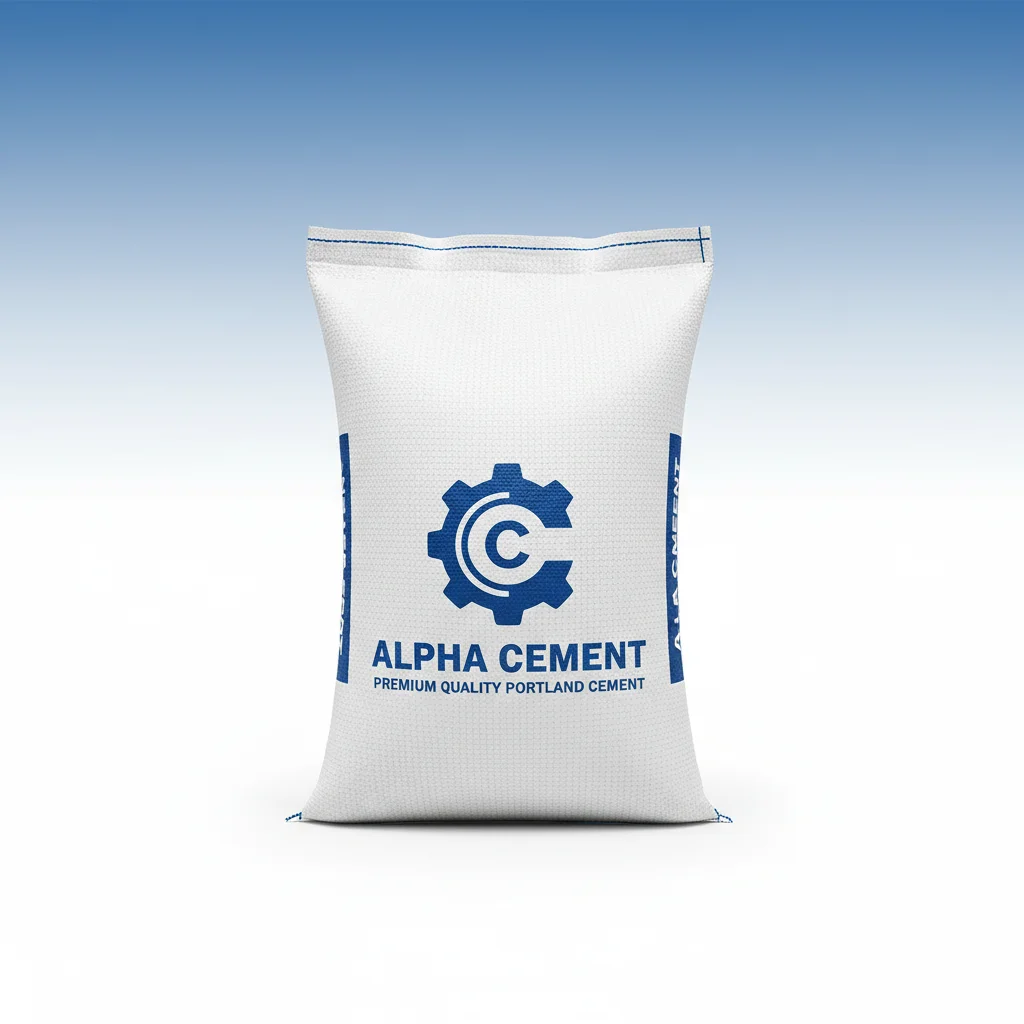
Block bottom valve bags for cement, dry mortar, and chemical powders.
Pinch bottom bags for industrial powder packaging.
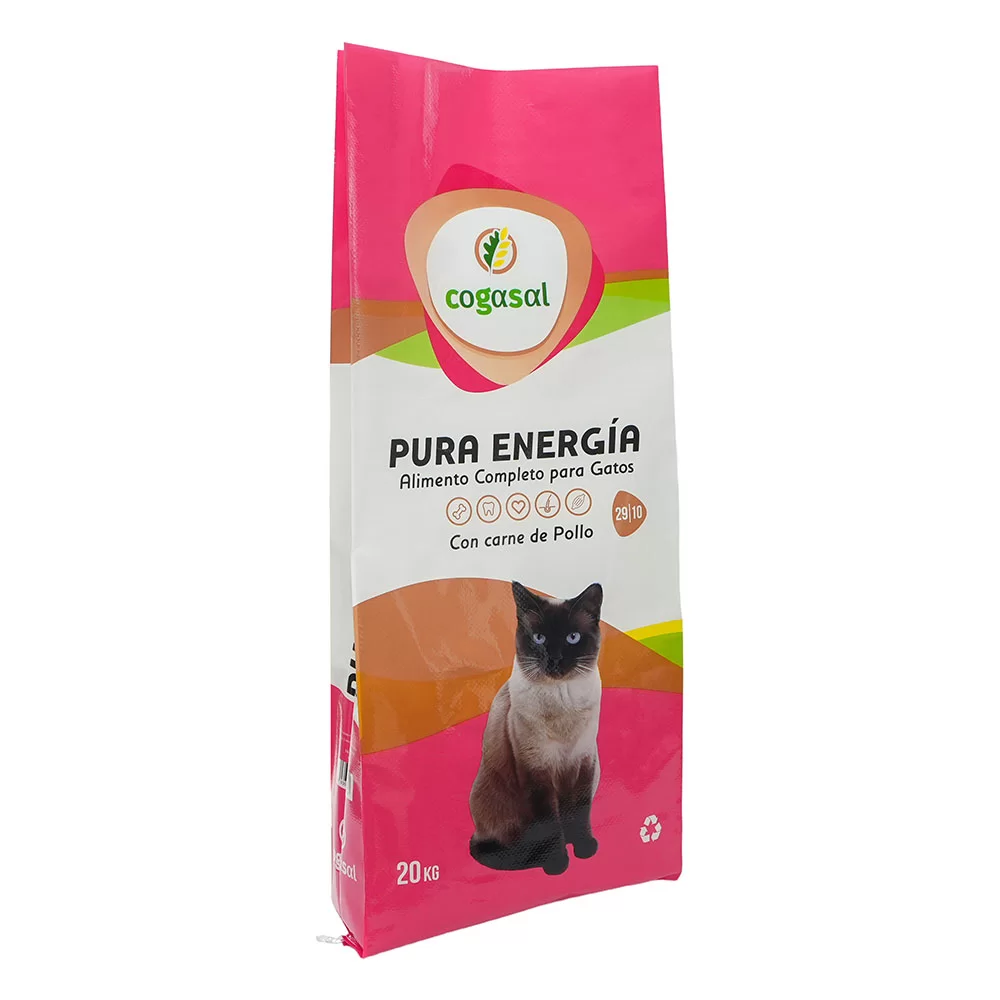
Woven sacks for fertilizers, minerals, and animal feed.
The fabric must withstand the weight of the packed material, repeated handling, and transportation. Buyers should pay attention to tape denier, mesh density, fabric weight, and tensile strength when selecting rolls for bag production.
For example, cement and dry mortar packaging requires fabric that can handle heavy loads and resist damage during filling and stacking. If the material is too light or its construction is inconsistent, bags may stretch, tear, or fail during transportation.
Laminated PP woven fabric is another option for applications requiring additional moisture resistance. The appropriate construction depends on the packed material, storage conditions, and whether an inner liner is needed.
2. Agriculture: Grain Bags, Fertilizer Packaging, and Crop Covers
Agriculture uses PP woven fabric rolls for both packaging and field protection. Their woven construction provides a combination of flexibility and mechanical strength, making them suitable for products that need to be handled and stored in different environments.
Typical agricultural applications include grain bags, seed bags, fertilizer sacks, and woven ground covers.
For grain and seed packaging, the fabric needs to maintain its structure during filling, stacking, and distribution. Buyers should consider the bag's load capacity, fabric density, and ventilation requirements. The appropriate fabric construction also depends on the type of crop and its storage conditions.
In agricultural ground covers, PP woven fabric can help suppress weed growth by limiting sunlight reaching the soil. Some designs also allow water to pass through, helping maintain practical growing conditions.
Outdoor agricultural products may require UV stabilization to reduce degradation caused by prolonged sunlight exposure. Without suitable UV protection, polypropylene fabric can gradually lose strength when used outdoors.
The key is to match the fabric construction to its intended use rather than choosing solely by price or thickness.
3. Construction: Building Material Packaging and Protective Covers
The construction industry uses PP woven fabric rolls for packaging cement, sand, gypsum, dry mortar, and other building materials. These materials are often heavy, abrasive, or sensitive to moisture, so packaging performance directly affects handling and transportation.
For cement and dry mortar manufacturers, woven PP fabric is commonly converted into industrial sacks. The material needs sufficient strength to withstand filling pressure, stacking loads, and transportation impacts.
PP woven rolls can also be used to manufacture protective sheets, temporary covers, and construction-site barriers. These products help cover building materials, equipment, and unfinished structures during storage or work.
Different applications require different fabric specifications:
Cement packaging: Focus on tensile strength, fabric consistency, and suitable bag construction.
Sand and aggregate packaging: Consider abrasion resistance and load-bearing requirements.
Protective covers: Evaluate fabric weight, width, and water-resistance requirements.
Outdoor construction use: Consider UV protection and exposure conditions.
One important point is that standard woven polypropylene is not automatically waterproof. For applications requiring better protection against rain or moisture, buyers should evaluate laminated or coated fabric and the complete product construction.
4. Logistics and Transportation: Pallet Covers and Protective Wrapping
PP woven fabric rolls are also used to manufacture protective materials for logistics and transportation. Warehouses and distribution companies need packaging materials that can protect goods during storage, loading, and movement.
Common products include pallet covers, industrial wrapping sheets, protective bags, and reusable storage covers.
Compared with lightweight films, woven polypropylene provides a reinforced fabric structure that can offer better resistance to tearing and rough handling in suitable applications. This makes it useful for covering palletized goods and protecting products from dust, dirt, and handling damage.
For pallet covers, buyers should consider fabric width, roll length, fabric weight, and whether lamination is required. Larger roll widths can reduce the number of fabric joints during conversion, while appropriate fabric strength helps the finished cover withstand repeated handling.
For outdoor transportation, additional protection may be necessary. UV-stabilized or laminated materials can be considered depending on exposure time and environmental conditions.
5. Home and Furniture Manufacturing: Mattress and Furniture Components
PP woven fabric rolls have applications beyond traditional industrial packaging. Some manufacturers use woven polypropylene as a component material in furniture and household products.
Examples include mattress support fabrics, furniture backing, upholstery support layers, storage bags, and protective covers.
In these applications, manufacturers may prioritize fabric uniformity, flexibility, dimensional stability, and compatibility with sewing or other conversion processes.
For mattress and furniture components, consistent fabric construction is important because variations in width or tensile properties can affect downstream manufacturing. Buyers should also check whether the selected fabric is suitable for the intended contact environment and applicable product requirements.
The required fabric weight and weave density will depend on the product design. A lightweight backing fabric does not need the same specifications as a material used to support heavier loads.
6. Retail and Consumer Packaging: Reusable Shopping and Storage Bags
Reusable shopping bags and storage products are another common application of PP woven fabric rolls. The material can be cut, printed, sewn, and converted into bags of different sizes and designs.
Retail businesses often use PP woven bags for promotional packaging, grocery shopping, product distribution, and reusable merchandise packaging.
Compared with single-use paper bags, woven PP bags can be designed for repeated use, depending on fabric strength, handle construction, stitching, and overall product quality.
Printing is also an important consideration. Manufacturers may select different colors and surface treatments to support brand logos, product information, and promotional graphics.
For this application, buyers should evaluate:
Fabric weight and weave consistency.
Surface suitability for printing.
Color consistency between production batches.
Handle reinforcement and sewing compatibility.
Finished bag durability during repeated use.
A good fabric specification should support both the appearance and functional requirements of the final bag.
7. Industrial Liners and Protective Materials
PP woven fabric rolls can also serve as base materials for industrial liners, equipment covers, protective sheets, and other customized products.
Manufacturers may combine woven polypropylene with coatings, laminations, or additional layers to achieve specific performance requirements. For example, laminated fabric may be used where improved resistance to moisture and external contamination is needed.
The actual suitability depends on the material's construction and the working environment. Applications involving chemicals, prolonged outdoor exposure, or direct contact with sensitive products require additional compatibility testing.
When sourcing fabric for customized industrial products, buyers should communicate the final product design and operating conditions to the manufacturer. This makes it easier to determine whether standard woven fabric is sufficient or whether additional treatments are necessary.
How to Choose the Right PP Woven Fabric Roll for Your Application?
Different end uses require different material properties. Before placing an order, manufacturers should evaluate several specifications rather than comparing fabric prices alone.
| Specification | What Buyers Should Check | Why It Matters |
|---|---|---|
| Fabric Weight (GSM) | Weight per square meter | Influences material usage and fabric construction |
| Denier | Linear density of PP tapes | Helps determine tape specifications |
| Mesh Density | Number of warp and weft tapes | Affects fabric construction and performance |
| Roll Width | Available fabric width | Must match cutting and conversion equipment |
| Roll Length | Total fabric length per roll | Influences production planning and roll changes |
| Lamination | Coating or laminated layer | Adds moisture protection when required |
| UV Treatment | Outdoor exposure requirements | Helps reduce sunlight-related degradation |
| Color and Printing | Surface and color requirements | Supports product identification and branding |
A common purchasing mistake is selecting fabric based only on GSM. Two rolls with the same fabric weight may have different tape denier, mesh density, and mechanical performance. Buyers should evaluate the complete specification and, when necessary, request samples or test reports before approving bulk production.
It is also important to confirm roll width, winding quality, and fabric consistency. Uneven winding or inconsistent dimensions can cause problems during printing, cutting, and bag conversion, even when the material itself meets the nominal weight requirement.
Why Source PP Woven Fabric Rolls from an Experienced Manufacturer?
For packaging converters and industrial manufacturers, a reliable fabric supplier contributes to more than material availability. Consistent specifications help reduce production adjustments, material waste, and quality variations between orders.
When evaluating a PP woven fabric roll manufacturer, buyers should consider its ability to meet specific requirements for fabric weight, denier, mesh density, roll dimensions, color, and surface treatment.
It is equally important to communicate the final application. A manufacturer that understands the difference between cement sacks, agricultural ground covers, and reusable shopping bags can provide more relevant material recommendations.
SSJT focuses on PP woven packaging materials and industrial bag solutions. By matching fabric construction with the intended application, buyers can select suitable materials for their downstream production needs.
If you are sourcing PP woven fabric rolls for industrial packaging or other manufacturing applications, share your required width, GSM, denier, mesh, and end use with SSJT. This information provides a practical starting point for evaluating the right fabric specification and developing a suitable supply solution.




Hit enter to search or ESC to close


