
What Are the Different Types of BOPP Bags?
November 16, 2026
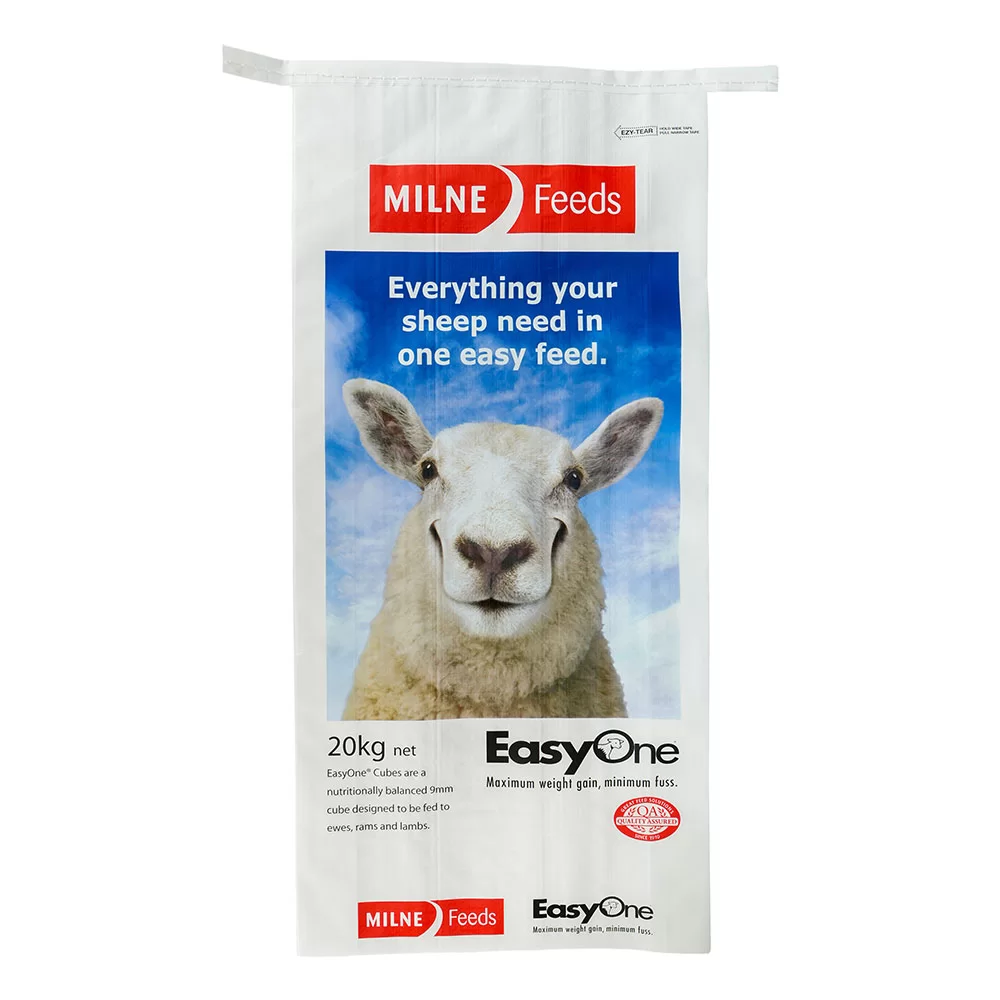
BOPP bags are widely used in industrial and agricultural packaging because they combine the strength of woven polypropylene with the visual quality of printed BOPP film. They are commonly used for packaging animal feed, rice, flour, fertilizer, seeds, pet food, and other bulk materials.
However, not all BOPP bags have the same structure or performance. Some are designed for high-quality retail printing, while others focus on moisture protection, easy filling, or stable pallet stacking. Choosing the right type depends on the packed product, filling method, storage conditions, and transportation requirements.
For buyers comparing BOPP laminated woven bags, understanding the main bag types can help avoid packaging problems and unnecessary material costs. Below are the most common BOPP bag designs and their practical applications.
1. Standard BOPP Laminated Woven Bags
Standard BOPP laminated woven bags are made by bonding printed BOPP film to a woven polypropylene fabric. The woven layer provides mechanical strength, while the outer film creates a smooth surface for high-quality graphics and product information.
One of the main advantages of this structure is that it combines packaging durability with attractive product presentation. Brands can print product names, logos, ingredient information, and handling instructions in multiple colors without relying on basic woven fabric printing.
These bags are widely used for rice, animal feed, fertilizer, flour, seeds, and other dry products.
For manufacturers selling through distributors or retail channels, the printed surface helps products stand out in warehouses and on store shelves. The woven fabric also provides support during filling, handling, and transportation.
When selecting this type, buyers should consider fabric weight, BOPP film thickness, lamination quality, bag dimensions, and the required load capacity.

2. BOPP Block Bottom Bags
BOPP block bottom bags feature a rectangular or square-shaped bottom that allows the filled bag to stand upright. Compared with conventional flat-bottom woven sacks, this structure creates a more regular package shape and helps improve pallet arrangement.
The BOPP film provides a suitable surface for detailed product graphics, while the woven polypropylene structure supports the weight of the packed material.
This type is commonly used for pet food, animal feed, rice, flour, and other products where shelf presentation and stacking efficiency both matter.
For buyers supplying supermarkets or organized distribution channels, the upright shape can improve product display. For industrial users, the regular shape can make pallet stacking and warehouse organization easier.
However, buyers should not choose a block bottom design based on appearance alone. The bottom construction, bag dimensions, filling weight, and production equipment must all be considered to ensure consistent performance.
3. BOPP Open Mouth Bags
BOPP open mouth bags have an open top that allows products to be filled before the opening is closed by sewing, heat sealing, or another suitable method.
They are a flexible choice for manufacturers using conventional filling equipment or packaging products with different particle sizes and filling characteristics.
Typical applications include animal feed, rice, flour, fertilizer, grain, and mineral products.
One practical advantage is that the open-mouth design can accommodate a wide range of filling processes. Manufacturers can also choose different bottom constructions and bag dimensions according to their packaging lines.
For example, a feed producer may require a bag that can withstand repeated handling during filling and distribution, while a rice packer may place greater emphasis on print quality and retail appearance.
When ordering BOPP open mouth bags, buyers should confirm the sewing or sealing method, top and bottom construction, bag weight, and required filling speed. These details affect both production compatibility and the final package quality.
4. BOPP Valve Bags
BOPP valve bags are designed for filling through a dedicated valve opening rather than a fully open top. They are often used in automated packaging operations where consistent filling speed and reduced manual handling are important.
The valve is positioned in a designated area of the bag and connects with compatible filling equipment. After filling, the valve can close through the pressure of the packed material or through a suitable sealing method, depending on the design.
These bags are commonly considered for cement, dry mortar, mineral powders, chemical products, and other industrial materials.
When BOPP film is used as the outer layer, the bag can combine printed branding with the strength of woven polypropylene fabric. However, the valve structure and material combination must be selected according to the packed product and filling conditions.
Before placing an order, buyers should check valve dimensions, filling nozzle compatibility, material flow characteristics, and the required closure method. A bag that looks suitable may still cause production issues if its valve does not match the existing filling equipment.
5. BOPP Side Gusset Bags
BOPP side gusset bags have folded sides that expand when the bag is filled. These gussets provide additional internal volume while helping the package maintain a more organized shape.
The design is useful for products that require a larger filling capacity without making the bag excessively wide.
Common applications include pet food, animal feed, rice, and other agricultural products.
The side gusset also provides more flexibility when designing the package. Buyers can adjust the bag width, length, and gusset dimensions to achieve the required filled shape.
However, gusset size should be determined based on the product's bulk density and filling weight. If the gusset is too small, the bag may not provide sufficient capacity. If the overall dimensions are poorly matched to the material, the filled package may become difficult to stack.
For brands that need both product visibility and practical packaging, BOPP laminated woven bags with side gussets offer a useful combination of printed appearance and structural support.

6. BOPP Bags with Inner Liners
Some products require additional protection from moisture, contamination, or external environmental conditions. In these cases, BOPP woven bags can be manufactured with an additional inner liner.
The outer BOPP film provides a printable surface, while the woven polypropylene fabric forms the main supporting structure. The inner liner adds another layer of protection according to the packaging requirements.
This configuration can be considered for hygroscopic powders, agricultural products, fertilizers, and other materials that need improved moisture protection.
The choice of liner material and thickness depends on the product's sensitivity and expected storage conditions. Buyers should also consider how the liner affects filling operations, air evacuation, and bag closure.
It is important to understand that BOPP lamination alone does not automatically make a bag fully moisture-proof. The seams, openings, liner construction, and closure method all influence the overall protective performance.
How to Choose the Right Type of BOPP Bag?
Choosing a BOPP bag involves more than comparing prices or printed designs. The right structure should match the product, filling equipment, and distribution requirements.
Consider these five factors before making a purchasing decision:
| Selection Factor | What Buyers Should Check |
|---|---|
| Product Type | Powder, granules, grains, feed, or other bulk materials |
| Filling Method | Open-mouth filling, valve filling, or automated packaging |
| Bag Structure | Standard woven, block bottom, side gusset, or inner liner |
| Material Specifications | Fabric weight, denier, mesh density, and BOPP film thickness |
| Storage and Transport | Moisture exposure, stacking requirements, and handling conditions |
For example, a rice producer selling through retail channels may prioritize print quality and upright presentation. An animal feed manufacturer may need stronger fabric and suitable bag dimensions for heavier loads. A cement producer may focus more on filling efficiency and valve compatibility.
Discussing these requirements with the manufacturer before production can help reduce specification errors and avoid problems during packaging.
Why Choose BOPP Laminated Woven Bags from SSJT?
Choosing a BOPP bag manufacturer is not simply about finding a supplier that can print a logo. The quality of the woven fabric, lamination process, bag construction, and dimensional consistency all influence how the packaging performs in actual use.
SSJT focuses on woven polypropylene packaging solutions for industrial and agricultural applications. By combining PP woven fabric with printed BOPP film, BOPP laminated woven bags can meet the needs of buyers who require both mechanical strength and professional product presentation.
Different bag structures can be considered according to the application, including open-mouth designs, block-bottom constructions, and other customized configurations.
When requesting a quotation, buyers should provide the product type, required bag capacity, dimensions, printing artwork, and filling method. These details help determine the appropriate fabric construction and bag design rather than relying on a standard specification that may not fit the actual application.
Contact SSJT to discuss your BOPP laminated woven bag requirements and find a packaging solution suited to your product, filling process, and market needs.



Hit enter to search or ESC to close


