
Block Bottom Valve Bag Comparison: Match the Valve to Your Filling Line
November 09, 2026
A block bottom valve bag fits powder and granule lines using automatic or semi-automatic valve filling. The extended-valve version suits automated equipment built for a longer valve and supports heat-sealed or stitched closure. This comparison weighs the shared PP woven structure, square bottom, filling interface, moisture protection, printing options, and load planning before you request a quotation.

Block Bottom Valve Bag
Block Bottom Bag with Extended Valve
Start with the filling connection
The filling connection is the first purchase decision. Our Block Bottom Valve Bag uses a valve closure system and supports automatic or semi-automatic filling. Our Block Bottom Bag with Extended Valve uses an elongated valve designed for automated filling, with the valve geometry intended to support material flow and reduce air entrapment.
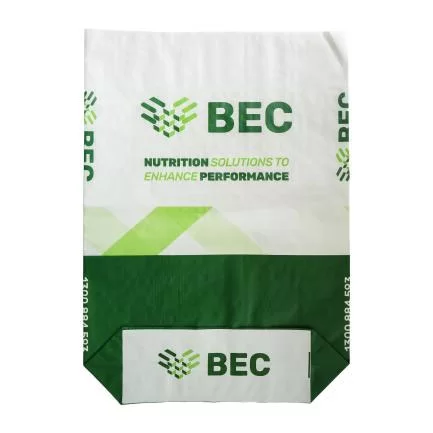
Both bags use a square block bottom. Once filled, that shape helps the package stand upright and gives the pallet a regular footprint. The difference is at the filling point: one uses a conventional valve closure system, while the other is built around an extended valve.
For a line already using semi-automatic valve filling, start with the standard bag and match its valve to the filling head. For an automated line designed around a longer entry point, review the extended-valve option first. Send the nozzle arrangement, valve entry dimensions, and closure equipment with the inquiry so we can align the bag construction with the line.
Compare the PP woven construction
Both options use PP woven fabric for industrial powder and granule packaging. The standard bag uses high-density polypropylene woven fabric with a high-tenacity industrial grade. The extended-valve bag uses virgin polypropylene woven fabric with high tensile and tear resistance.
The square bottom gives both packages a stable filled shape. The standard bag can include an optional PE inner liner or laminated layer for moisture protection. The extended-valve bag can use PE coating or lamination. Choose the protection layer around the product condition and filling environment, then include that choice in the bag specification.
A powder line can use the standard bag when its valve equipment and inner protection requirement are already established. A line handling granules or powder through automated equipment can consider the extended valve when the longer interface and PE coating or lamination fit the process. In either case, measure the filled bag footprint against the pallet pattern before approving the size.
Closure and handling checks
The standard bag is supplied with a valve closure system. The extended-valve bag supports heat-sealed or stitched closure after filling. This difference affects the equipment around the filling station, so the closure choice should be made with the line layout, operator steps, and sealing equipment in view.
Our standard bag uses precision-engineered seams and can combine the valve with a liner or laminated layer for fine-powder containment. The extended-valve bag uses a valve closure intended to minimize dust leakage, while its PE coating or lamination adds a package-surface choice. During routine handling, inspect the valve and seam areas and protect either PP woven package from punctures and tears.
A practical maintenance check follows the selected construction. For the standard version, examine valve seal integrity and the condition of the optional inner layer. For the extended-valve version, examine the elongated valve and confirm that the chosen heat-sealed or stitched closure is formed consistently. Include the filling material and closure method in the order discussion so we can review the relevant construction.
Printing, applications, and load planning
Both bags can be prepared for branded packaging. The standard bag supports high-resolution BOPP lamination. The extended-valve bag supports BOPP lamination or flexographic printing. Send the artwork, print route, bag dimensions, and surface protection choice together because the print method is part of the package construction.
The standard bag is used for powders, granules, minerals, and chemicals, including cement, lime, and specialized chemical polymers. The extended-valve bag is used for powdered and granulated materials such as cement, resins, chemicals, and specialized agricultural powders.
Load planning differs in how the two products are specified. The standard bag has storage capacity customizable by weight or volume. The extended-valve bag has customized load capacity, typically 10 kg to 50 kg. Give us the target filled weight, product type, and required dimensions so we can assess the bag size and construction together.
Questions that affect the purchase
Which option should connect to a semi-automatic filler?
The standard Block Bottom Valve Bag is the direct option for a line using automatic or semi-automatic valve filling. Its valve closure system is specified for that filling mode. The extended-valve bag is intended for automated filling around its elongated valve. Before ordering, send a drawing or measurements of the filling head, the valve entry, and the space needed for closure.
When is the extended valve worth specifying?
Specify the extended valve when the automated filling line is designed for that longer interface or when material flow through the valve is a central process requirement. The extended-valve construction is also paired with heat-sealed or stitched closure. Confirm the filler connection and post-fill closure step together, because changing only the bag without checking the surrounding equipment can create an interface mismatch.
How should the load figure be used in a quotation?
Use the 10 kg to 50 kg typical range of the extended-valve bag as the starting point for the target filled weight, then provide the actual product and bag dimensions. The standard bag is customized by weight or volume. Sharing bulk material details with the target weight helps us relate the required capacity to the square-bottom format and selected fabric construction.
Prepare the bag specification
Choose the Block Bottom Valve Bag for a conventional automatic or semi-automatic valve filling setup. Choose the Block Bottom Bag with Extended Valve when your automated line is built for an elongated valve and a heat-sealed or stitched closure. Send the product, target weight, bag dimensions, valve measurements, filling mode, closure method, protection layer, and artwork for a quotation.

About the author
The company
ShengShi Jintang Packaging Co.,Ltd.
Welcome to Hebei Shengshi Jintang Packaging Co., Ltd., where innovation meets excellence in the world of packaging. Located in the heart of Hebei, China, we specialize in the design, manufacturing, and supply of high-quality, customized packaging solutions. We specialize in producing a comprehensive range of packaging solutions including woven bags(WPP bags), valve bags, back-seam bags,pinch bottom bags, BOPP laminated bags, and FIBCs (bulk bags), serving critical sectors such as fine chemicals, pet feed, grains,…
About Us ↗Visit company website ↗



Hit enter to search or ESC to close


