
Durable PP Woven Cement Bags for Industrial Packaging Solutions
June 23, 2026
The Ultimate Guide to PP Woven Cement Bags for Industrial Packaging
In the demanding world of construction and building materials, the integrity of packaging can make or break a supply chain. pp woven cement bags have emerged as the industry gold standard due to their exceptional strength, durability, and cost-effectiveness. Whether you are transporting bulk Portland cement or specialized mortar, choosing a bag that prevents leakage and withstands rough handling is critical. This guide explores why polypropylene (PP) woven materials are the preferred choice for cement manufacturers globally and how to select the right specifications for your operational needs.

What Makes PP Woven Cement Bags So Durable?
The secret behind the performance of pp woven cement bags lies in the weaving process. Unlike single-layer plastic films, these bags are created by weaving polypropylene tapes in two directions, creating a mesh-like structure that distributes weight evenly and resists tearing. This structural integrity is vital because cement is a dense, abrasive powder that puts immense pressure on the packaging during stacking and transport. High tensile strength ensures that the bags do not burst under the weight of 25kg or 50kg loads, while the chemical properties of polypropylene provide a natural barrier against moisture and oxidation.
Core Advantage: The cross-weave pattern provides multi-directional stability, allowing the bags to be stacked high in warehouses without collapsing or rupturing.
Key Technical Specifications for PP Woven Cement Bags
When ordering pp woven cement bags, understanding the technical parameters is essential for ensuring a perfect fit for your filling machinery. Factors such as GSM (grams per square meter), mesh count, and coating thickness determine the bag's capacity and moisture resistance. For instance, a PE (Polyethylene) liner or coating is often added to prevent the cement from absorbing moisture from the air, which would cause premature hardening. Below is a standard specification table for typical industrial cement packaging.
Woven PP Bags vs. Paper Bags for Cement
For decades, multi-wall paper bags were the primary choice for cement. However, the industry has shifted toward pp woven cement bags due to several critical advantages. Paper bags are prone to tearing when wet and can easily puncture during mechanical loading. In contrast, woven PP is virtually waterproof (when coated) and possesses a much higher burst strength. This reduces product loss and ensures that the end customer receives the material in pristine condition, regardless of the transit environment.
Why Switch to PP Woven?
• Impact Resistance: Does not split upon dropping.
• Weather Proof: Resists humidity and rain far better than paper.
• Cost Efficiency: Lower cost per unit for high-volume production.
• Recyclability: PP is a thermoplastic and can be recycled.
Customization Options for PP Woven Cement Bags
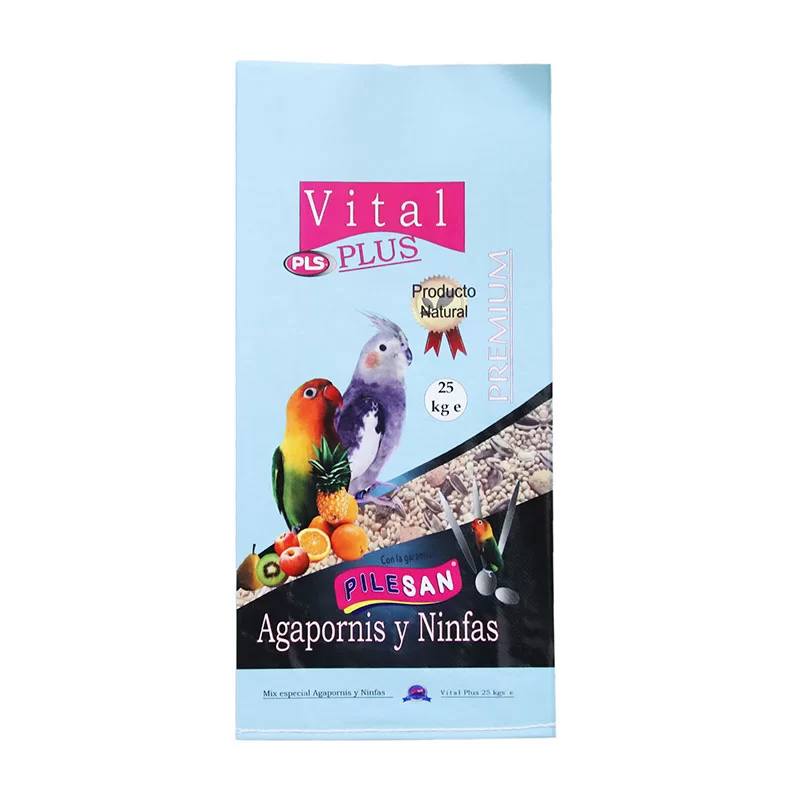
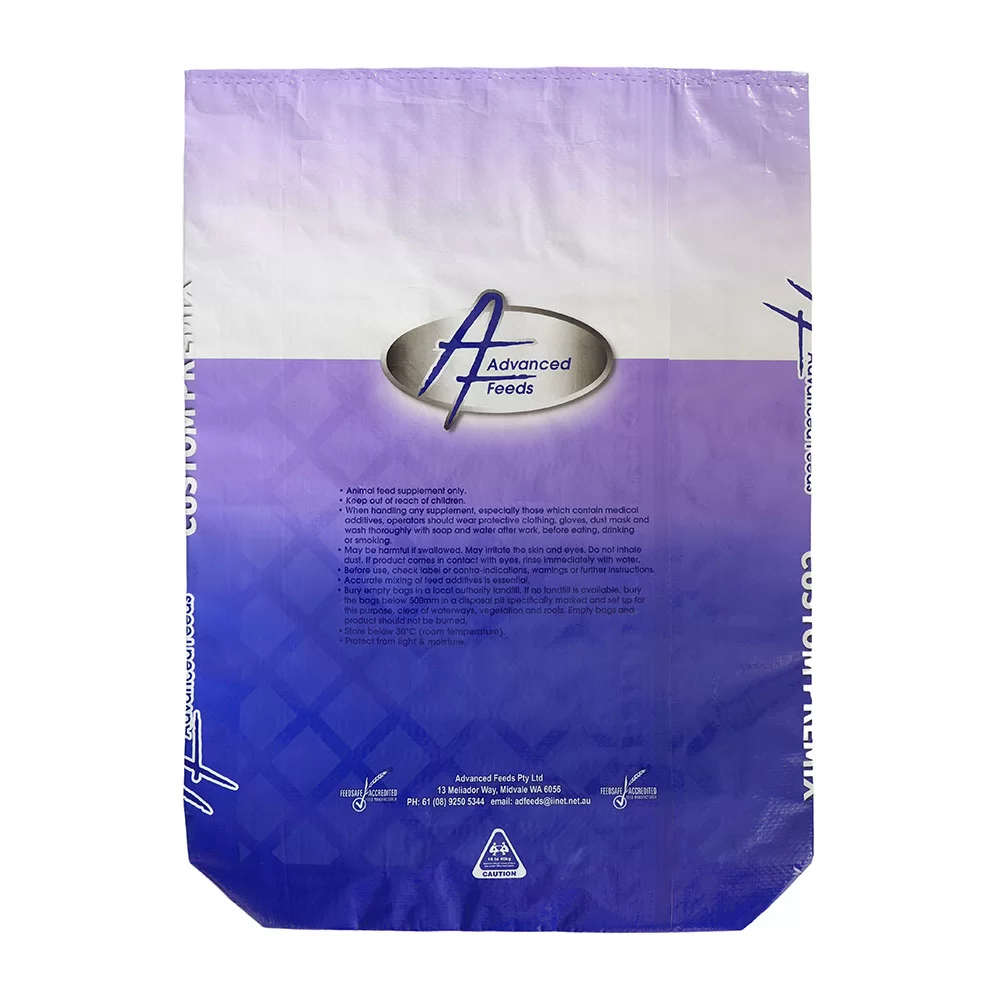
Brand visibility is essential in the competitive construction market. High-quality pp woven cement bags offer various customization options to help brands stand out. BOPP (Biaxially Oriented Polypropylene) lamination allows for high-resolution, photographic printing that doesn't fade or peel. This ensures that branding, safety instructions, and barcodes remain legible even after exposure to harsh site conditions. Furthermore, bags can be customized with valve closures for automatic filling machines or open-mouth designs for manual filling.

Environmental Impact and Sustainability
Modern industrial packaging is moving toward a circular economy. The use of pp woven cement bags aligns with this trend because PP is a recyclable polymer. Many companies are now implementing take-back programs to collect used bags for reprocessing into other plastic products. Additionally, because these bags are significantly more durable than single-use alternatives, they reduce the overall waste generated by broken bags and spilled cement, which is a major environmental contaminant on construction sites.
Optimizing Storage and Logistics with PP Packaging
Efficient logistics rely on the stability of the unit load. pp woven cement bags are designed to have a low coefficient of friction when laminated, allowing them to slide easily during loading, yet they maintain enough grip when stacked to prevent leaning. The precise dimensions of these bags ensure that pallets are filled efficiently, maximizing container space and reducing shipping costs. By minimizing the "bulge" effect often seen in lower-quality bags, manufacturers can fit more product per shipment without compromising safety.
Conclusion: Choosing the Right Packaging Partner
Investing in high-quality pp woven cement bags is not just about containing a product—it is about protecting your brand's reputation and ensuring operational efficiency. From superior burst strength to advanced UV protection and customizable branding, PP woven bags provide the most reliable solution for the global cement industry. By partnering with a professional manufacturer, you can ensure that your packaging meets international standards and withstands the rigors of the modern supply chain.
Frequently Asked Questions (FAQs)
Are PP woven cement bags completely waterproof?
Standard woven PP is water-resistant, meaning it prevents water from easily soaking through. However, because it is a woven fabric, there are microscopic gaps between the tapes. To make them completely waterproof and airtight, a PE (Polyethylene) lamination or a separate inner PE liner is added. For cement, which is highly sensitive to moisture, we strongly recommend laminated pp woven cement bags to prevent the powder from hydrating and hardening during transport.
How do UV stabilizers work in these bags?
Polypropylene can degrade when exposed to prolonged sunlight (UV radiation), which makes the plastic brittle and prone to cracking. UV stabilizers are chemical additives mixed into the PP resin during the extrusion process. These stabilizers absorb or deflect the UV rays, significantly extending the outdoor lifespan of the bags. This is critical for construction sites where cement bags may be stored in open yards for several weeks.
What is the difference between a valve bag and an open-mouth bag?
An open-mouth bag is a traditional cylinder that is filled from the top and then sewn or heat-sealed shut; it is ideal for manual filling. A valve bag features a specially designed "valve" (an opening that closes under pressure). When used with automatic filling machines, the cement enters the bag, and once the bag is full, the internal pressure closes the valve automatically. Valve bags are much faster for high-volume industrial production and are a hallmark of professional pp woven cement bags setups.
Can these bags be recycled?
Yes, polypropylene is a thermoplastic, meaning it can be melted down and reshaped multiple times without significant degradation. Used cement bags can be collected, cleaned of residue, and recycled into plastic pellets for producing other items like pallets, automotive parts, or new industrial containers. This makes PP woven packaging a more sustainable choice compared to non-recyclable composite materials.


Hit enter to search or ESC to close


