
What Is a Block Bottom Bag?
November 16, 2026
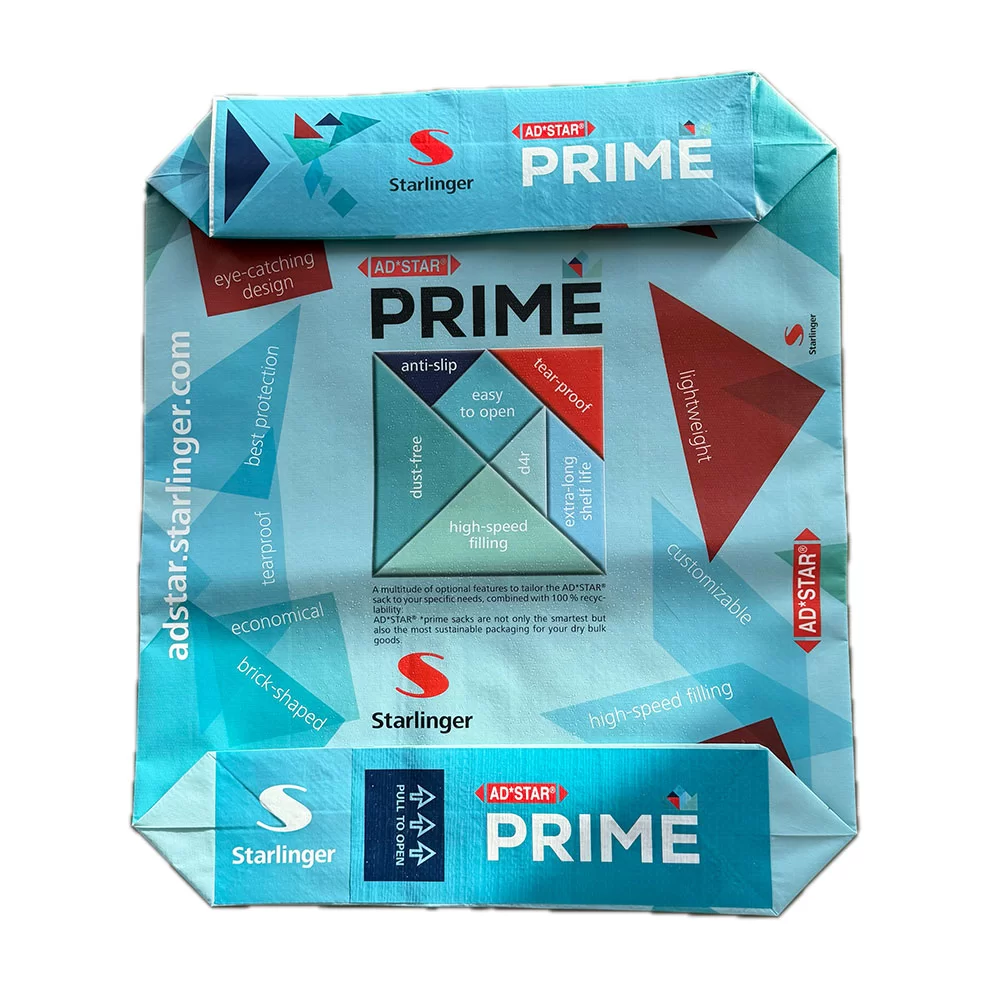
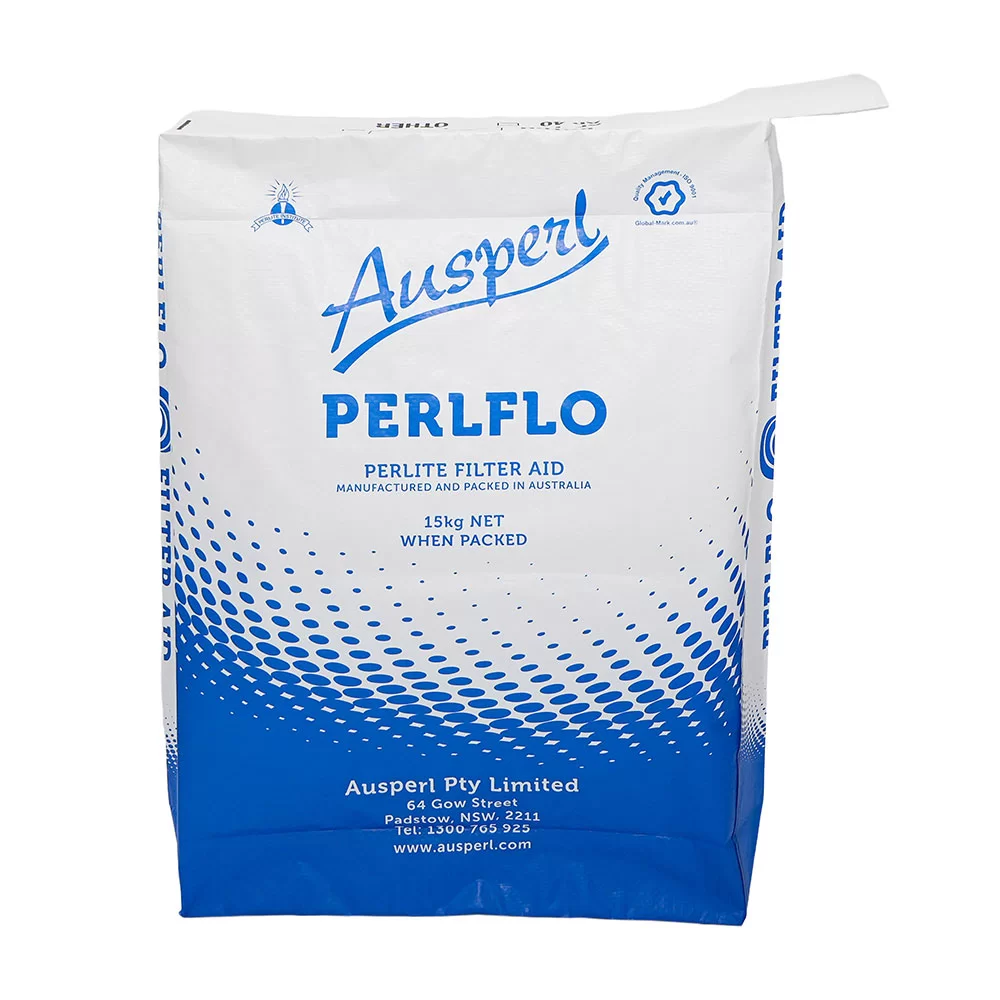
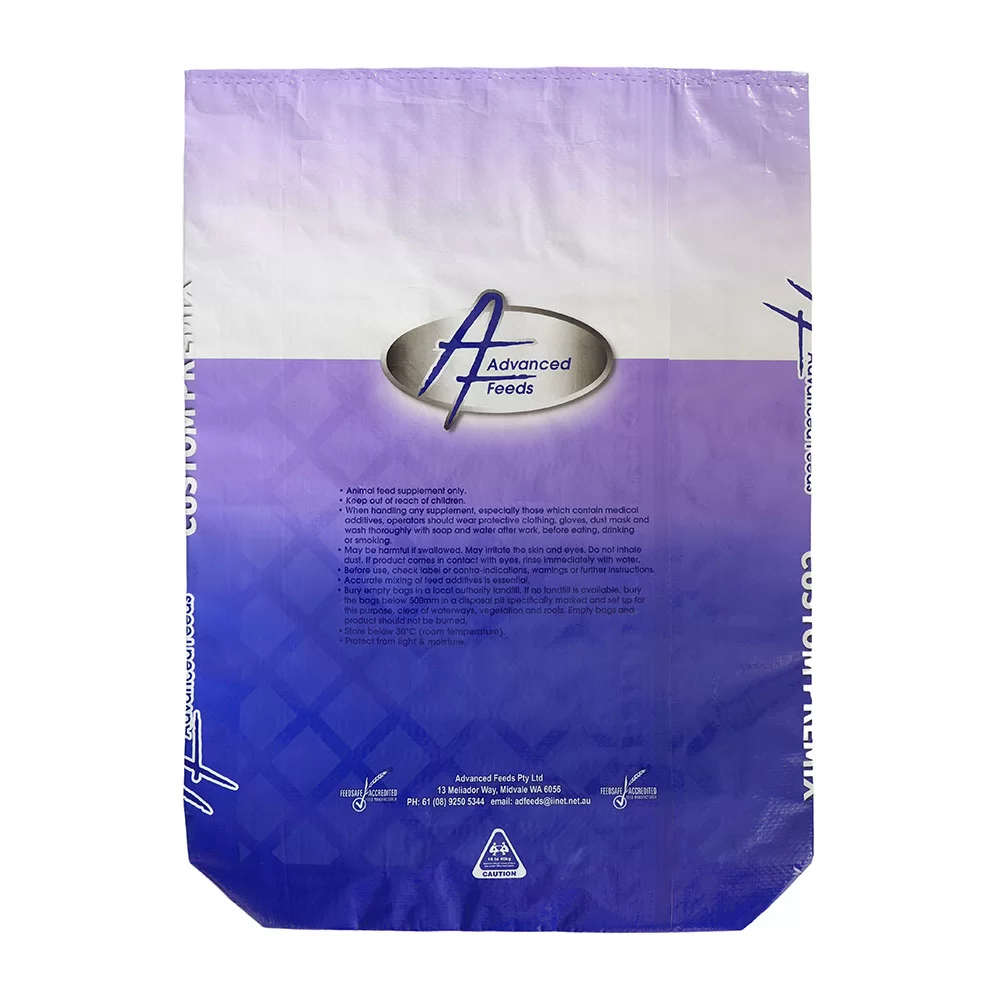
A block bottom bag is a packaging bag with a flat, formed base that gives it a box-like shape when filled. In industrial packaging, that shape makes it easier to arrange bags in even rows on a pallet. The bag can have an open top or a filling valve, depending on how the product is packed. Woven polypropylene (PP) versions are used for dry bulk materials such as cement, fertilizers, and other powders or granules.
If you’re choosing packaging for a production line, start with two questions: how should the filled bag sit on the pallet, and how will the product get into the bag? The base answers the first question. The opening and closure answer the second.

How Does a Block Bottom Bag Work?
The bottom is folded and formed to create a flat base. As the bag fills, the base opens out and the sides take on a more rectangular profile. Compared with a sack that rounds out when filled, this shape can make it easier for operators or palletizing equipment to align the bags. A consistent fill matters, too: a bag with trapped air or an uneven fill can still produce an irregular stack.
The term block bottom describes the shape of the base. It doesn’t specify the bag material or the filling method. In the case of SSJT Pack’s extended valve bag, the body is made from woven polypropylene, and hot air welding forms the bag without adhesive.
Block Bottom Valve Bag vs. Open-Top Bag
A block bottom valve bag has a small opening, usually near a top corner. The operator or automated equipment fits the valve over the filling spout and feeds product directly into the bag. This format is a natural starting point for plants that already run a valve bag filler or want to pack fine material through a small opening.
An open-top block bottom bag has a wide mouth. Product enters through the top, which is then closed by a method suited to the bag construction and the packaging line. This option makes sense when the plant already uses an open-mouth filler or when the product feeds more readily through a wider opening. Both designs can give you a flat base; the choice comes down to how the product flows and how you want to close the bag.
What Is an Extended Valve Block Bottom Bag?
An extended valve block bottom bag has a longer filling sleeve that provides a section to seal after filling. SSJT Pack offers a sleeve that can be closed with heat or ultrasonic sealing. This is useful when the packaging specification calls for a seal at the valve and the line has compatible sealing equipment.
For fine powders, it’s also worth checking how the bag releases air during filling. The SSJT Pack design lists microperforation for venting. Test the perforation and the valve together with your actual product: a sample run can show whether air escapes quickly enough for the target fill rate and whether powder sifts out during handling. If you’re switching from a self-closing valve to a sealable sleeve, confirm the sleeve dimensions and test the closure at normal line speed.
What Are Block Bottom Bags Used For?
Cement and building materials are common applications. On a cement line, for example, the bag has to accept a fast fill, release air, and settle into a shape that can be palletized. Fertilizers and dry chemical products can also use this format, but the bag construction should suit the contents and the expected storage conditions. For animal feed, sugar, salt, flour, and cereals, the product’s particle size and handling requirements help determine the opening, coating, and closure. For food applications, confirm that the exact bag construction meets the food-contact requirements of the destination market.
How to Choose the Right Block Bottom Bag
Before requesting samples or a bulk quote, give your supplier the details that affect how the bag will run:
Product and target fill weight. Share the material, net weight, and bulk density if available. Two products with the same weight can occupy different volumes, so bag size should be based on both.
Filling and sealing equipment. Provide the filler type and spout dimensions. If you need an extended valve, specify whether the line uses heat or ultrasonic sealing.
Storage and transport conditions. Describe expected humidity, handling, and pallet configuration. If moisture is a concern, ask what performance the proposed coating and closure can achieve as a finished bag.
Printing and identification. Decide what must remain visible when the bags are stacked. If operators identify products from the side of a pallet, put the product name or grade on the panel they’ll actually see.
SSJT Pack lists its extended valve bag in widths of 35–60 cm and lengths of 50–90 cm, with flexographic or rotogravure printing. The range is a starting point: confirm the filled dimensions and fit on your pallet during a sample run.
Frequently Asked Questions
Are block bottom bags waterproof?
The flat base alone doesn’t determine water resistance. Coating, perforation, and the way the valve is sealed all affect the finished bag’s protection. If your product is sensitive to moisture, specify the storage conditions and ask for performance data for the exact bag you plan to order.
Is every block bottom bag a valve bag?
No. A block bottom bag can have a valve or a wide, open mouth. Choose the opening that matches your filling equipment, then specify the closure and bag dimensions.
Need a bag for a valve filling line? Explore the SSJT Pack Block Bottom Bag with Extended Valve. Include your product, target fill weight, spout dimensions, and preferred sealing method when requesting a sample or quote.


Hit enter to search or ESC to close


