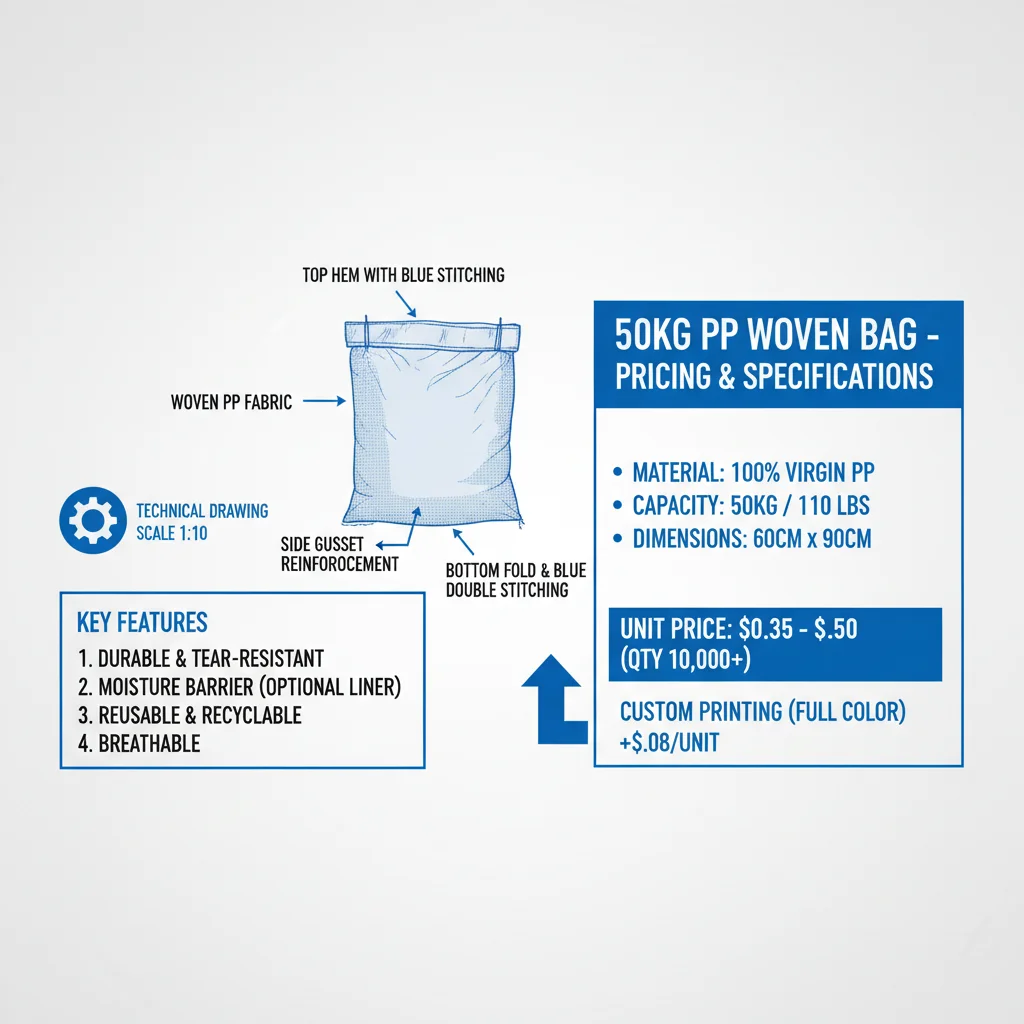
Woven polypropylene bulk bags – or as we call ‘em on site, big bags – are absolutely essential. I’ve spent the last fifteen years crawling around construction zones, and I can tell you, if you can't efficiently move and store materials, the whole project grinds to a halt. These aren’t just containers; they’re a key part of the logistics puzzle. You see ‘em everywhere, from moving grain across the country to hauling aggregate for concrete. They're a bedrock of modern material handling.
Globally, the demand is huge. The UN uses them for food aid, disaster relief organizations rely on them to deliver essential supplies, and industries like agriculture, chemicals, and building materials depend on them daily. Figures from the World Bank show a consistent increase in demand tied to infrastructure development in emerging economies. We’re talking billions of bags used every year. The real challenge isn’t just having them, it’s ensuring they’re the right spec for the job, reliably sourced, and can withstand the rigors of the field.
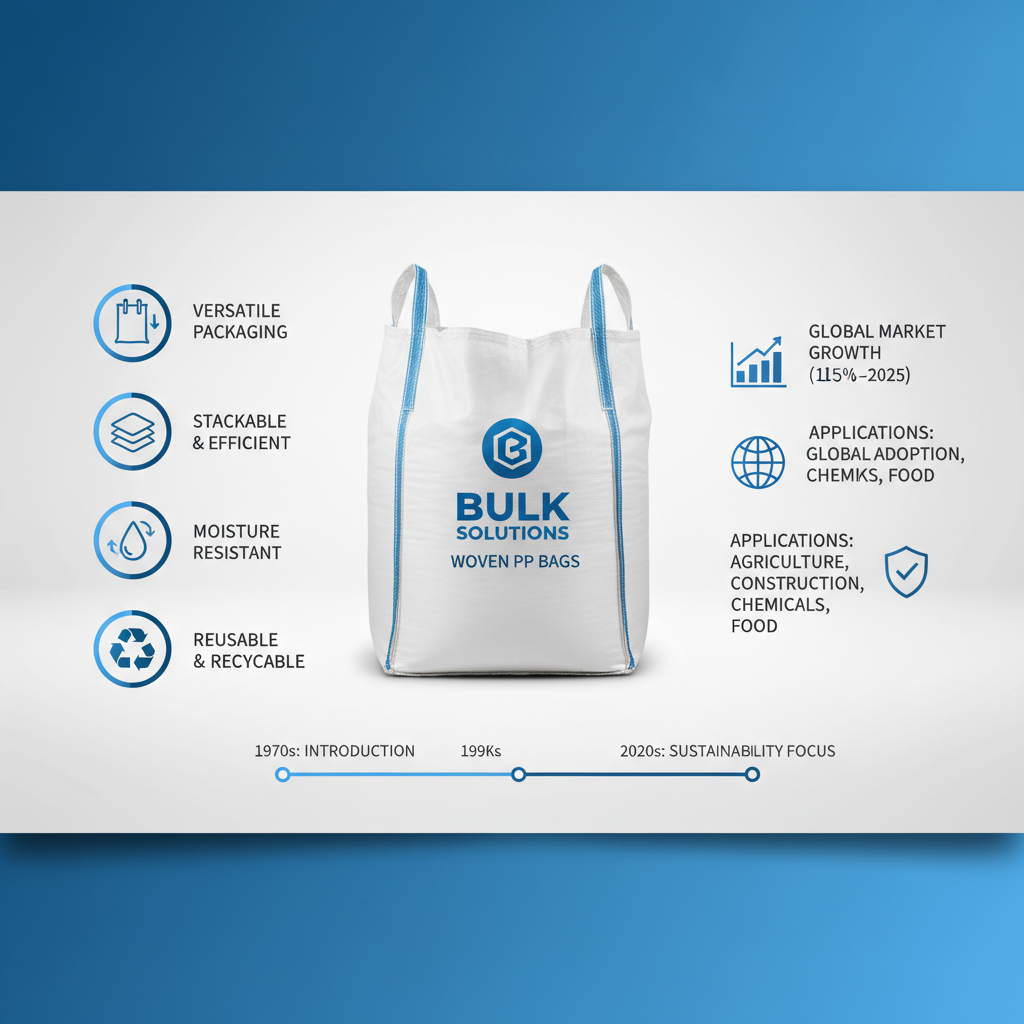
Put simply, woven polypropylene bulk bags are large, flexible containers made from polypropylene plastic woven into a fabric. Think of it like a super-sized, industrial-strength shopping bag. They’re designed to be filled with anything from a half-ton to over two tons of dry, flowable goods. What sets them apart is that they combine the advantages of flexible packaging with the ability to handle significant weight and volume – something you just can't do with cardboard boxes or smaller bags. They’re a pretty ingenious solution to a fundamental problem: how do you move a lot of stuff efficiently and safely?
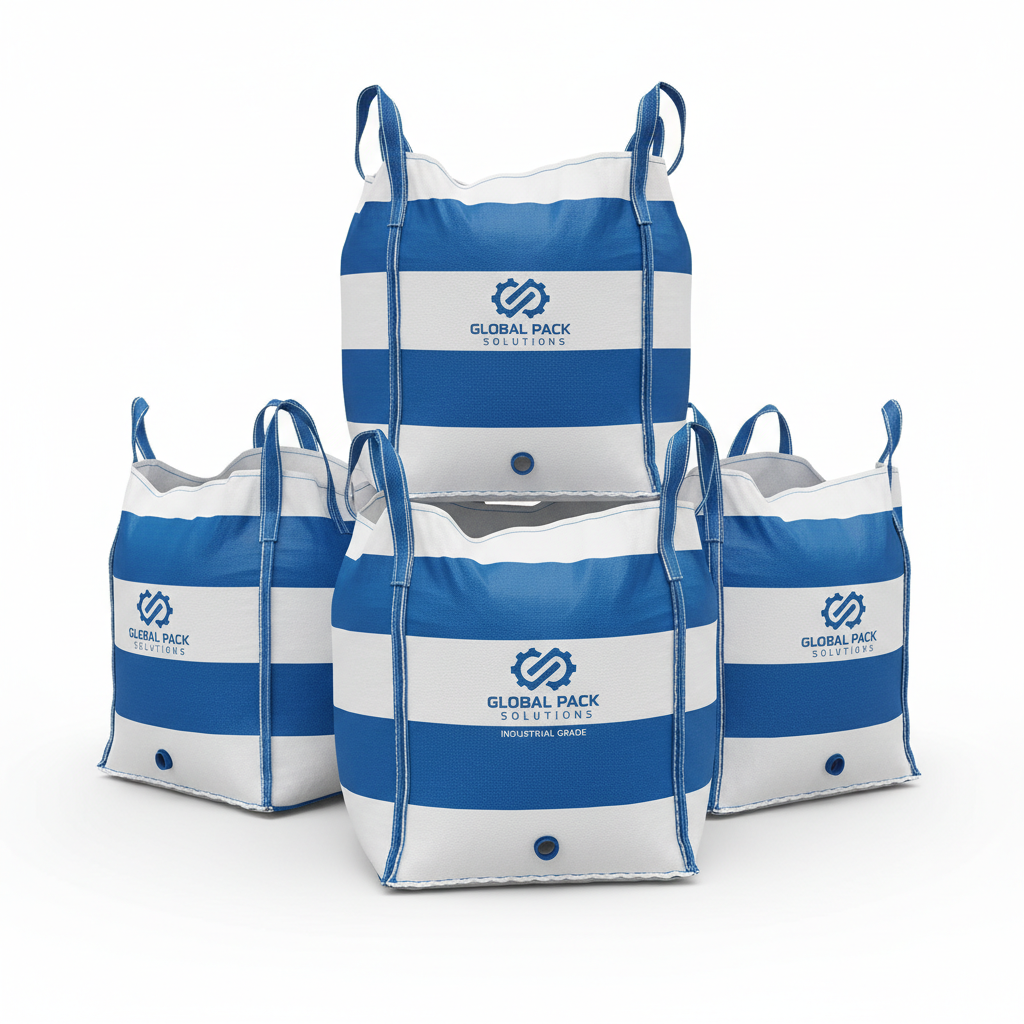
Key Factors or Core Components
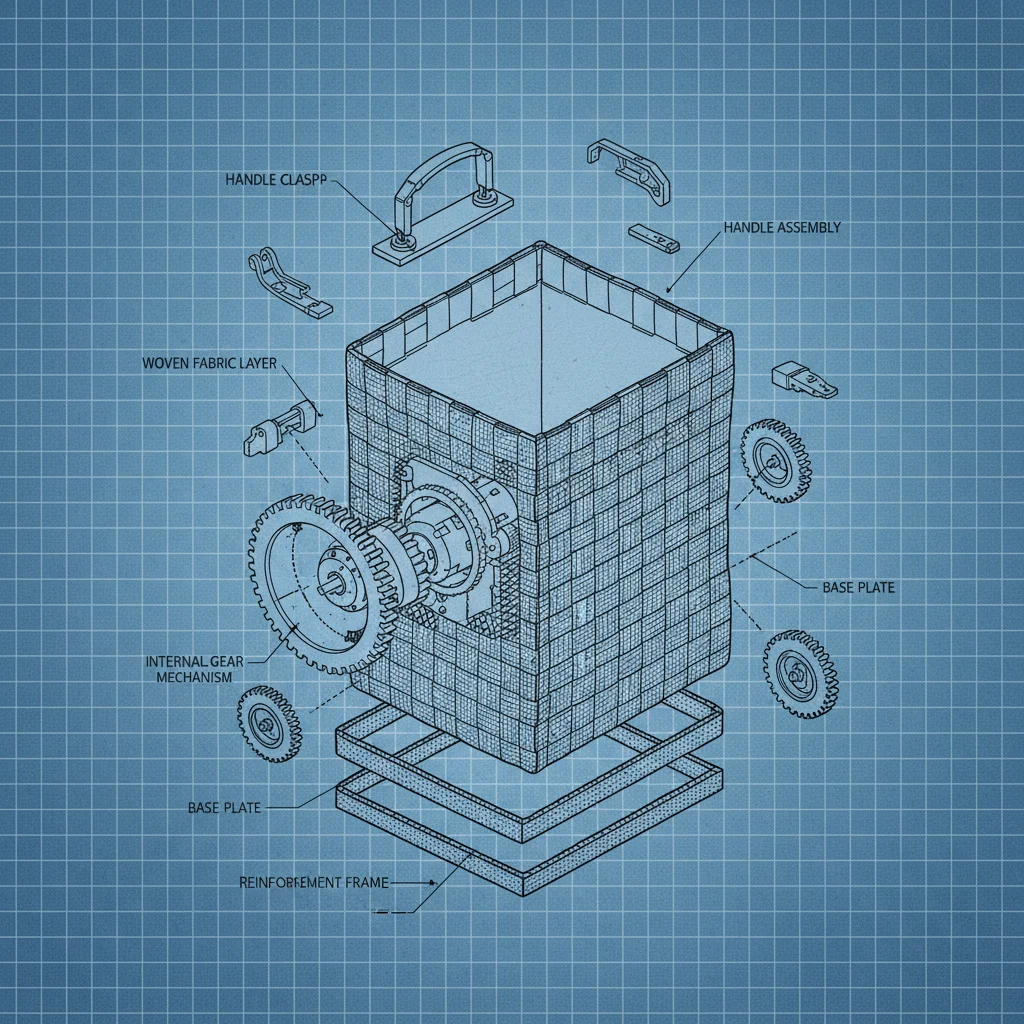
First, durability is huge. These bags need to hold up to forklift handling, stacking, and often rough weather conditions. The denier of the polypropylene fabric, the weaving pattern, and the coating all play a role. Then there’s weight capacity. You’ve got different specs for different materials – a bag for sand needs to be a lot tougher than one for fertilizer. Scalability is important too – can a supplier meet your demands, especially on a large project? And let’s not forget cost-efficiency. It's a balancing act between quality and price, especially when you're ordering thousands at a time. Lastly, safety features like lifting loops and filling/discharge spouts are crucial. A busted bag and spilled material isn't just a mess, it’s a potential hazard.
On a job site, you quickly learn what matters. You need bags that won’t fail when you’re relying on them to deliver materials on time and within budget. A well-made bag simplifies everything, and a poorly made one creates a world of headaches.
Global Applications & Use Cases
You find these bags everywhere. In agriculture, they're essential for moving grain, seed, and fertilizer. In the chemical industry, they safely transport powders and granules. Construction relies on them for cement, sand, and aggregate. I’ve even seen them used for transporting recycled materials. In post-disaster relief operations, they're often filled with food, medical supplies, and clothing, providing a vital lifeline to affected communities.
We’re seeing a lot of use in regions with rapidly developing infrastructure, particularly in Asia and Africa. They’re ideal for remote industrial zones where access to other forms of transport is limited. Mining operations use them extensively for moving ore and minerals. And increasingly, they're being adopted by industries looking for more sustainable packaging solutions.
I was working on a project in rural India last year, and the efficient delivery of cement using these bags was the difference between staying on schedule and falling months behind. The sheer volume they can handle, combined with their relatively low cost, made them the only viable option.
Definition & Meaning
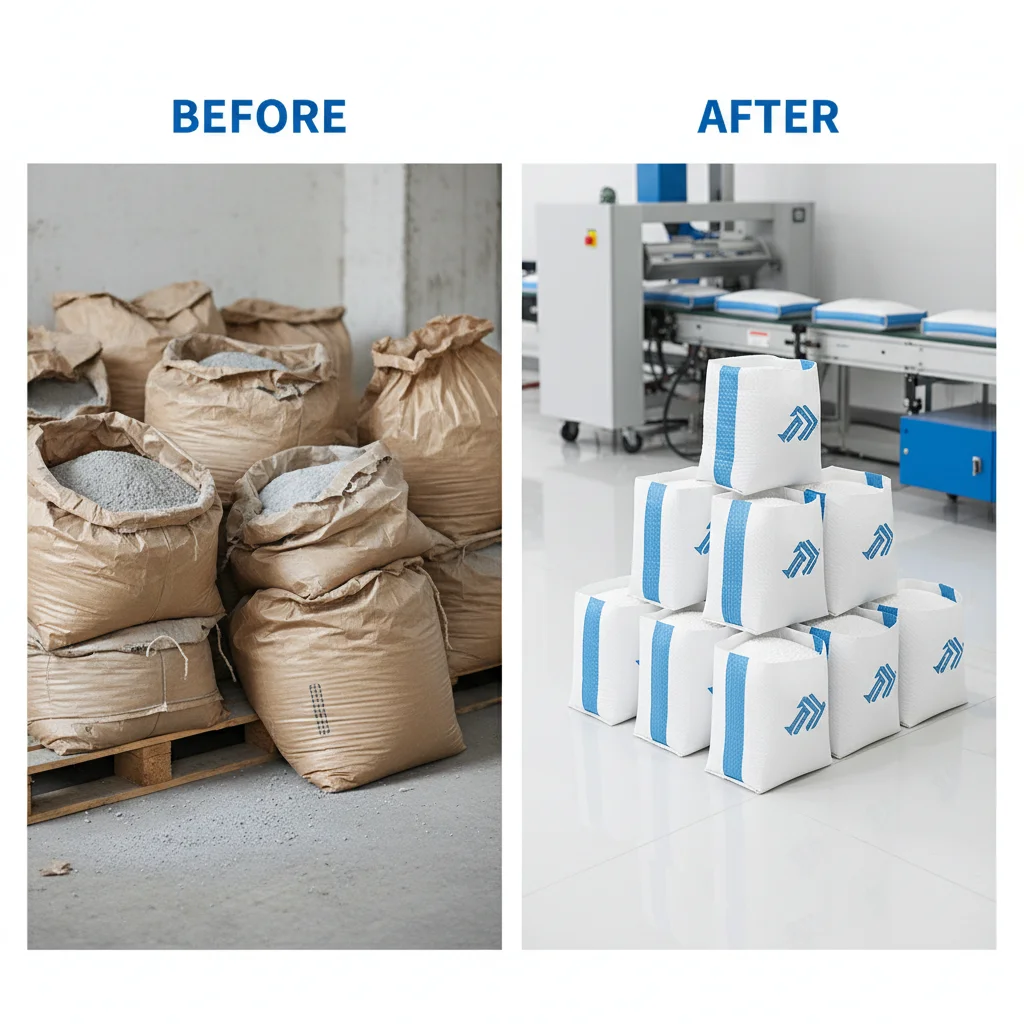
Essentially, woven polypropylene bulk bags are a workhorse of modern logistics. They’re a cost-effective and versatile solution for storing and transporting large quantities of dry, flowable goods. They’re a significant improvement over traditional methods like smaller bags or wooden crates, offering better protection, increased efficiency, and reduced handling costs.
Their connection to modern industry is undeniable. Without them, supply chains would be significantly slower and more expensive. They enable just-in-time delivery, reduce waste, and facilitate the global movement of essential commodities. In humanitarian efforts, they provide a reliable means of delivering aid to those in need.
From a practical standpoint, these bags bridge the gap between palletized goods and full truckloads. They’re big enough to make a substantial impact on shipping volumes, but small enough to be easily handled with forklifts and other common equipment. It’s a sweet spot that makes them incredibly useful in a wide range of applications.
Advantages & Long-Term Value
The biggest advantage, hands down, is cost. Compared to alternatives like rigid containers, they're significantly cheaper. Then there’s durability – a good bag will last through multiple fill-and-discharge cycles. Sustainability is becoming increasingly important; polypropylene is recyclable, and many manufacturers are now using recycled materials in their production. But for me, it's the reliability – knowing these bags won't fail under load is paramount on a busy construction site.
The long-term value comes from reduced handling costs, minimized product loss, and improved supply chain efficiency. They contribute to safer working conditions by reducing the risk of spills and injuries. There's also a psychological benefit – knowing you’re using a robust, dependable system builds trust and confidence among your team.
woven polypropylene bulk bags Performance Metrics
Future Trends & Innovations
We’re starting to see a push towards more sustainable materials, including bio-based polypropylene. There's also research into strengthening the fabric weave and developing coatings that offer even greater protection against UV degradation and moisture. Digital integration is another trend – things like RFID tags for tracking and tracing, and smart bags that can monitor fill levels and temperature.
Automation is playing a bigger role, too. We’re seeing more automated filling and emptying systems designed specifically for these bags. I think we’ll also see more customized designs – bags tailored to the specific needs of individual industries and applications. The goal is to make them even more efficient, durable, and sustainable.
Challenges & Solutions
One of the biggest challenges is ensuring consistent quality control. You get what you pay for, and cheap bags often mean compromised materials and construction. Another issue is dust control – some materials can create a lot of dust during filling and emptying, posing a health hazard. And disposal can be a problem if the bags aren't properly recycled.
The solutions lie in working with reputable suppliers who prioritize quality and sustainability. Implementing dust suppression systems during handling. And investing in recycling infrastructure to ensure these bags don't end up in landfills. We need to embrace circular economy principles and find ways to reuse and repurpose these materials.
Introduction: Global or Industry Context
I've seen woven polypropylene bulk bags in operation on every continent. They're a staple on construction sites, in ports, in agricultural fields, and in warehouses worldwide. From the massive scale of international commodity trading to the more localized needs of a small farm, these bags are facilitating the movement of goods. Their versatility is their strength.
The industry is constantly evolving. There’s pressure to reduce costs, improve durability, and enhance sustainability. Manufacturers are responding with new materials, designs, and technologies. The demand for these bags is directly tied to global economic growth and the expansion of international trade.
What I've learned over the years is that these bags aren't just a commodity; they're a critical component of the global supply chain. Understanding their strengths and weaknesses, and staying abreast of the latest innovations, is essential for anyone involved in the movement of materials.
Analysis of woven polypropylene bulk bags Performance under Different Conditions
| Condition |
Load Capacity |
Durability Score (1-10) |
Cost per Bag (USD) |
| Dry, Indoor Storage |
1000kg |
9 |
1.50 |
| Outdoor, Moderate Rainfall |
800kg |
7 |
1.75 |
| High Humidity, Coastal Environment |
700kg |
6 |
2.00 |
| Rough Handling, Forklift Use |
900kg |
8 |
1.80 |
| UV Exposure, Direct Sunlight |
600kg |
5 |
1.60 |
| Extreme Temperatures (-20°C to 50°C) |
750kg |
6.5 |
2.10 |
FAQS
The lifespan varies significantly depending on the quality of the bag, the materials it contains, and the handling conditions. A high-quality bag used for dry, non-abrasive materials can last for multiple fill-and-discharge cycles, potentially several years. However, prolonged exposure to UV light, harsh weather, or rough handling will shorten its lifespan. Regular inspection for tears or damage is crucial.
Yes, woven polypropylene bulk bags can often be reused, but with caution. The number of reuses depends heavily on the initial quality of the bag and the nature of the materials it held. Bags used for non-contaminated materials can be reused several times, but each reuse increases the risk of failure. Always inspect thoroughly before each use, and avoid reusing bags that show signs of wear or damage.
Yes, polypropylene is recyclable, and many facilities now accept these bags for recycling. However, recycling infrastructure varies by location, so it's important to check with your local recycling center. Some manufacturers also offer take-back programs for used bags, further promoting sustainability.
Always wear appropriate personal protective equipment (PPE), including gloves and safety glasses. Ensure the lifting loops are in good condition and use proper lifting equipment, such as forklifts with appropriate attachments. Avoid overloading the bags beyond their rated capacity. Be aware of the potential for shifting loads during transport and secure the bags properly.
Consider the weight and density of the materials you'll be storing, the environmental conditions they'll be exposed to, and the handling methods used. Pay attention to the bag's SWL (Safe Working Load) and breaking strength. Also, consider features like filling/discharge spouts, liners, and UV stabilizers. Consulting with a reputable supplier is always a good idea.
Common causes include overloading, sharp objects puncturing the fabric, UV degradation, prolonged exposure to moisture, and improper handling. Regular inspections can help identify potential problems before they lead to failure. Maintaining a safe working load and proper storage are crucial for maximizing bag lifespan.
Conclusion
Woven polypropylene bulk bags are a fundamental element of modern logistics and material handling. They offer a cost-effective, durable, and versatile solution for transporting a wide range of dry, flowable goods. From agriculture to construction, disaster relief to international trade, these bags play a critical role in keeping the world moving.
Looking ahead, the focus will be on enhancing sustainability, improving durability, and integrating smart technologies. Investing in quality bags, implementing proper handling procedures, and embracing circular economy principles will be key to maximizing their value and minimizing their environmental impact. For reliable solutions, visit our website: woven polypropylene bulk bags.