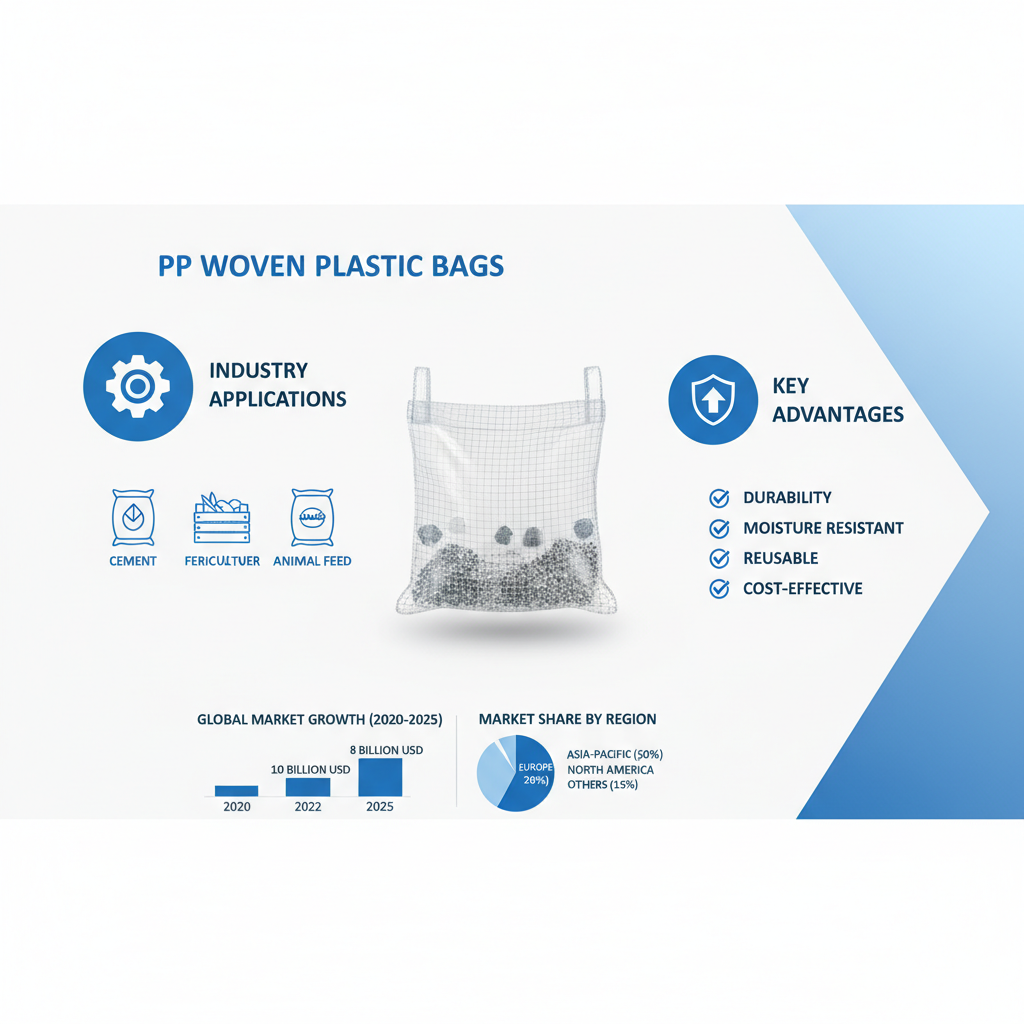
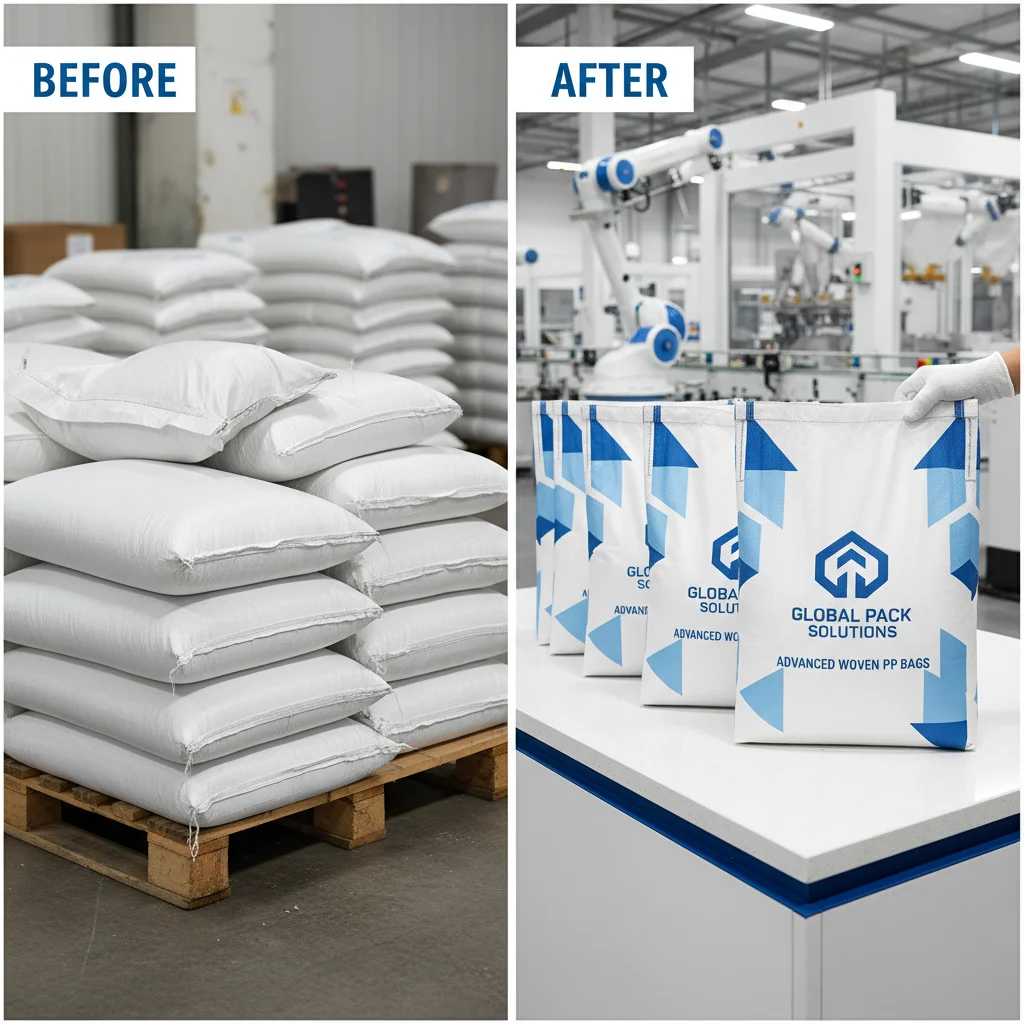
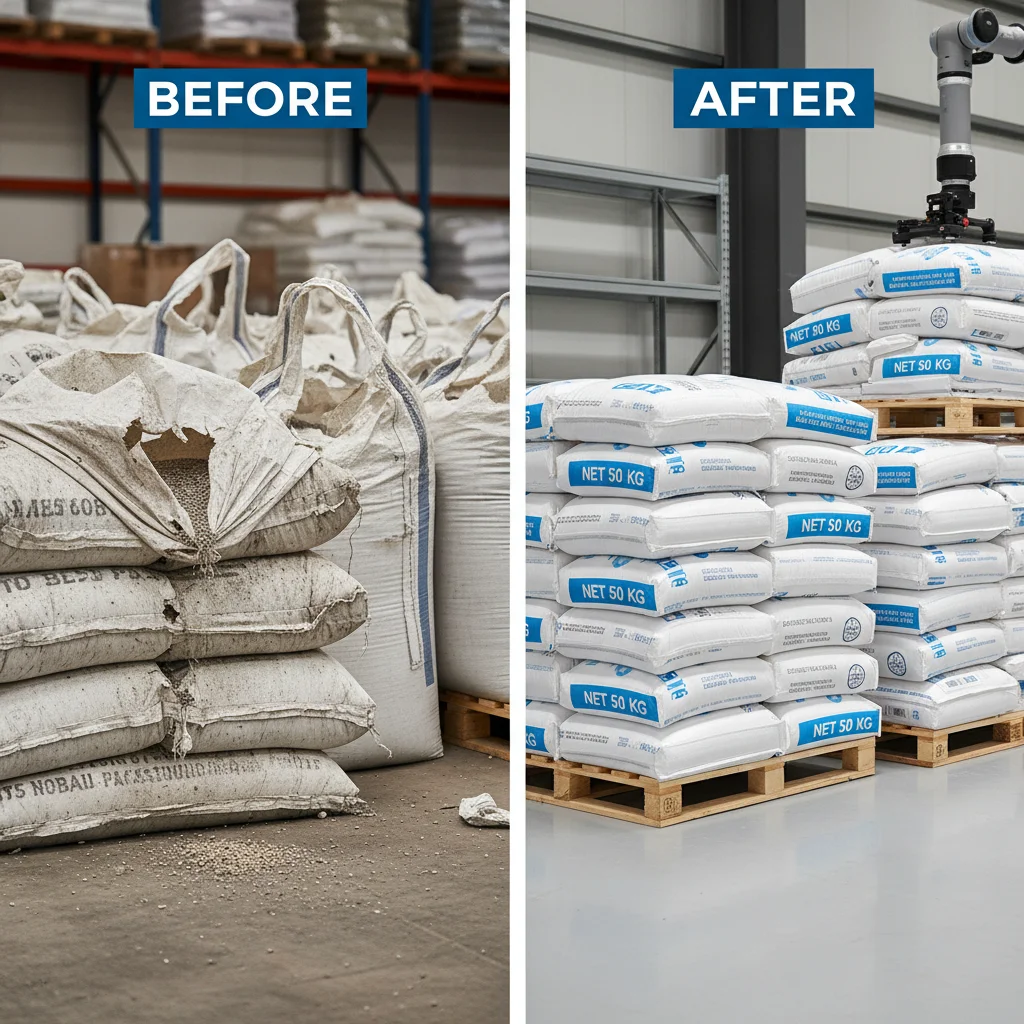
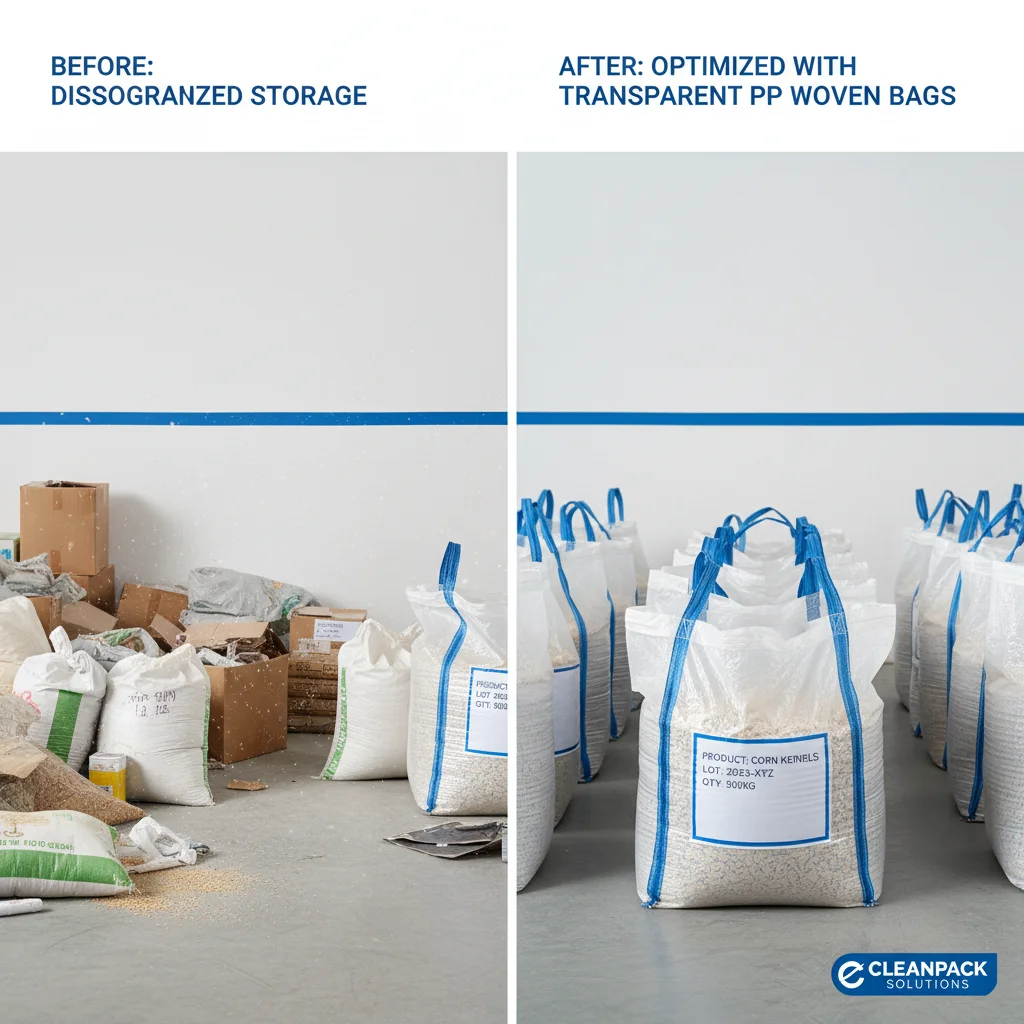
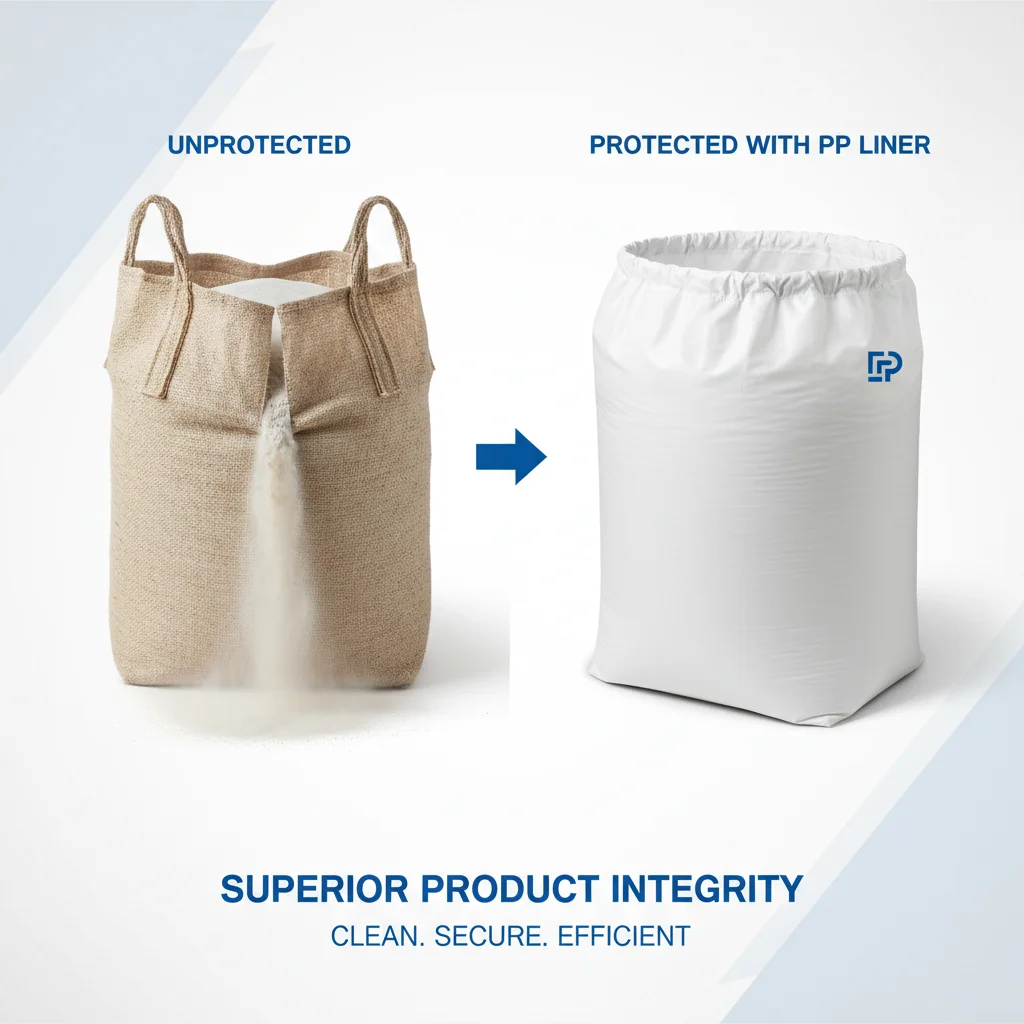
PP woven plastic bags are ubiquitous in modern logistics and agriculture, serving as a cost-effective and durable solution for packaging a wide variety of goods. From agricultural products like grains and fertilizer to industrial materials and even disaster relief supplies, these bags play a crucial role in global supply chains. Understanding their properties, applications, and future trends is essential for businesses and organizations relying on efficient and reliable packaging solutions. pp woven plastic bag is a cornerstone of efficient material handling.
The demand for pp woven plastic bag is driven by their versatility, affordability, and recyclability compared to other packaging materials. Global trade and agricultural output continue to rise, necessitating robust packaging solutions capable of protecting goods during transportation and storage. The increasing focus on sustainable packaging also presents opportunities for innovation in materials and manufacturing processes within the pp woven bag industry.
These bags aren't simply containers; they are integral to preserving product quality, reducing waste, and streamlining logistics. As industries evolve, so too must the packaging solutions that support them, and the pp woven plastic bag remains a central component of this evolution.
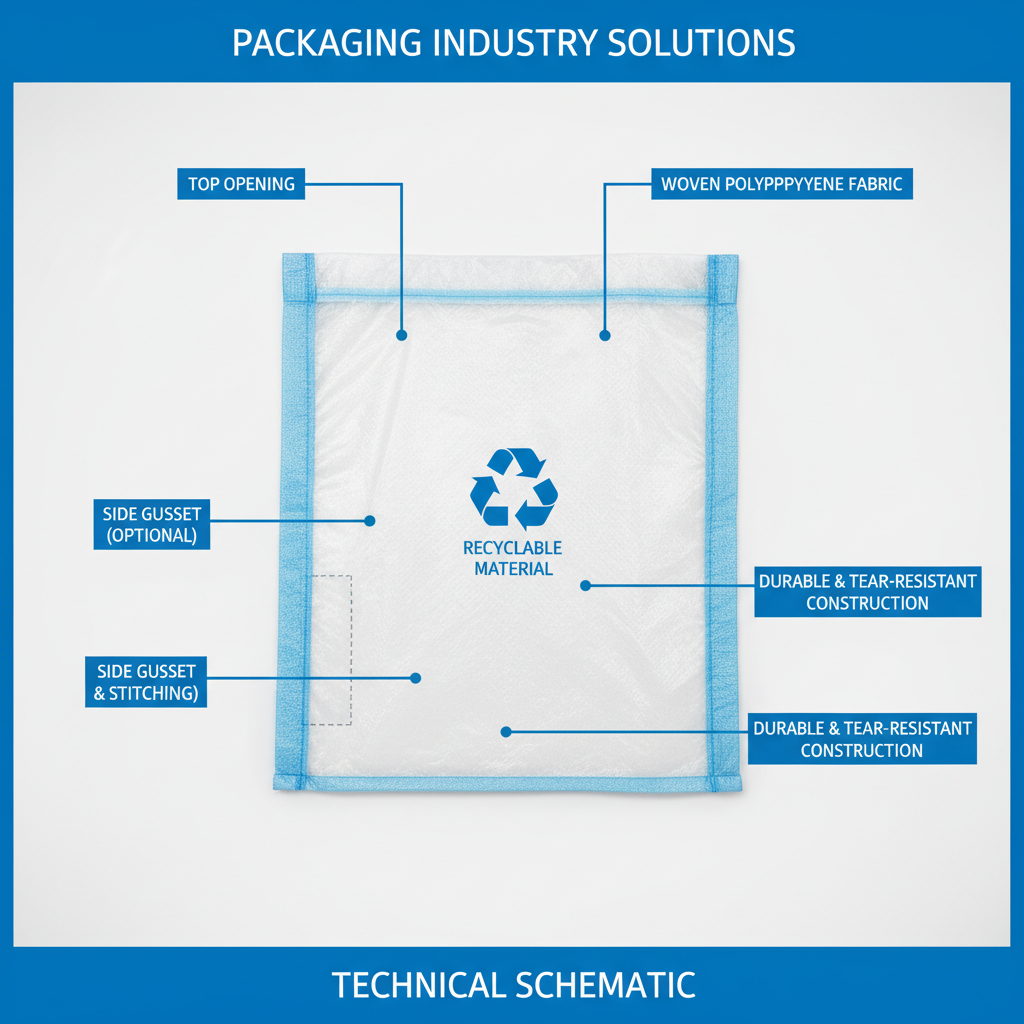
The Core Properties of pp woven plastic bag
The fundamental characteristic of a quality pp woven plastic bag is its tensile strength. This refers to the amount of force it can withstand before breaking, crucial for containing heavy materials. This strength derives from the polypropylene resin used in its construction and the weaving process itself, which creates a durable fabric structure.
Another vital property is permeability. While providing containment, pp woven plastic bag often needs to allow some air circulation to prevent moisture buildup and spoilage, particularly when packaging agricultural products. Different weaving densities and lamination options can control this permeability to meet specific product requirements.
The Global Importance of pp woven plastic bag
The global market for pp woven plastic bag is vast and growing, directly linked to worldwide agricultural production and international trade. Countries with substantial agricultural sectors, like India, China, and the United States, are major consumers. These bags are essential for transporting grains, pulses, fertilizers, and other agricultural commodities.
According to a recent report by the FAO (Food and Agriculture Organization of the United Nations), efficient packaging is a critical component of reducing post-harvest losses, which can account for up to 30% of total food production in developing countries. pp woven plastic bag significantly contributes to minimizing these losses by protecting products from damage, moisture, and pests.
The increasing demand for packaged goods in emerging markets also drives the demand for pp woven plastic bag. As consumer spending rises, so does the need for safe and efficient transportation of various products, further solidifying the role of these bags in global commerce.
Defining pp woven plastic bag: A Comprehensive Overview
A pp woven plastic bag is a flexible packaging solution created from polypropylene (PP) resin, a thermoplastic polymer. This resin is melted and extruded into thin, ribbon-like strands that are then woven together to form a fabric. The weaving process creates a strong and durable material capable of holding significant weight.
Unlike many other plastic bags, pp woven bags are not made from a blown film process, but through weaving, giving them a significantly higher strength-to-weight ratio. They can be further customized with coatings, laminations, and printing to enhance their properties and branding options. The versatility of the weaving process allows for tailored solutions.
Their connection to modern industry extends beyond simply containing goods. pp woven plastic bag contribute to efficient logistics, reduced waste through reusability, and the safe delivery of essential supplies to communities worldwide, playing a role in both economic development and humanitarian efforts.
Key Characteristics of High-Quality pp woven plastic bag
Durability is paramount. High-quality pp woven plastic bag are engineered to withstand the rigors of transportation and handling, resisting punctures, tears, and abrasion. This is achieved through a combination of high-denier PP yarn, tight weaving, and reinforcement techniques.
Cost-effectiveness is another key attribute. Compared to alternatives like paper bags or rigid plastic containers, pp woven plastic bag offer a lower total cost of ownership due to their light weight, efficient production process, and reusability.
pp woven plastic bag Performance Metrics
Real-World Applications of pp woven plastic bag
In agriculture, pp woven plastic bag are extensively used for packaging grains, rice, wheat, corn, and fertilizer. Their strength and resistance to moisture protect these commodities during storage and transport, reducing spoilage and ensuring food security.
The construction industry relies on pp woven plastic bag for packaging cement, sand, and other building materials. Their durability withstands the weight and handling demands of construction sites.
The Long-Term Advantages of Choosing pp woven plastic bag
Beyond initial cost savings, the reusability of pp woven plastic bag offers significant long-term economic benefits. They can be cleaned and reused multiple times, reducing the need for frequent replacements.
The lightweight nature of these bags translates to lower transportation costs, reducing fuel consumption and carbon emissions. This contributes to a more sustainable supply chain.
Furthermore, their versatility allows for customization with various coatings and laminations, providing tailored solutions for specific product requirements and extending shelf life.
Emerging Trends and Innovations in pp woven plastic bag Technology
A growing trend is the development of bio-based polypropylene resins, offering a more sustainable alternative to traditional petroleum-based materials. This reduces the environmental impact of pp woven plastic bag production.
Innovations in weaving techniques are also improving bag strength and reducing material consumption. Automated weaving machines are increasing efficiency and precision, leading to higher-quality products.
The integration of digital printing technologies allows for more complex and vibrant branding options, enhancing product appeal and marketing effectiveness.
Summary of Key Technological Advancements in pp woven plastic bag Manufacturing
| Advancement Area |
Technology Description |
Impact on pp woven plastic bag Quality |
Cost Implications |
| Resin Development |
Bio-based PP resins |
Reduced environmental footprint |
Moderate increase |
| Weaving Technology |
Automated high-speed looms |
Increased strength and consistency |
Initial investment, long-term savings |
| Coating & Lamination |
Advanced polymer coatings |
Enhanced moisture resistance and durability |
Slight increase |
| Printing Technology |
Digital flexographic printing |
High-resolution graphics and branding |
Moderate increase |
| Quality Control |
Automated defect detection |
Improved product consistency and reduced waste |
Initial investment |
| Recycling Technologies |
Advanced PP recycling processes |
Circular economy and reduced landfill waste |
Ongoing development costs |
FAQS
The lifespan of a pp woven plastic bag varies depending on usage and environmental conditions, but with proper care, they can typically withstand multiple filling and transportation cycles, often lasting several years. Factors like UV exposure, load weight, and handling practices all influence longevity.
Yes, pp woven plastic bag are recyclable, although recycling infrastructure for this type of plastic is still developing in many regions. Look for facilities that accept PP #5 plastic. Efforts are underway to improve collection and processing methods for increased recyclability.
Denier refers to the thickness of the PP yarn. Higher denier yarn generally results in a stronger and more durable bag. This is because thicker yarn provides greater tensile strength and resistance to tearing and punctures, making it ideal for heavier loads.
Absolutely! pp woven plastic bag can be customized with various printing techniques, including flexographic printing, allowing for branding, product information, and other designs. This enhances brand visibility and product identification.
Common coatings include polyethylene (PE) lamination, which provides moisture resistance, and polypropylene (PP) film lamination for enhanced strength and clarity. Coatings are selected based on the specific product being packaged and the required level of protection.
Weave types – such as circular, flat, and leno – impact strength, air permeability, and cost. Circular weave is common for general purposes, flat weave offers higher strength, and leno weave provides excellent air permeability for products needing ventilation.
Conclusion
In conclusion, pp woven plastic bag represent a vital component of global logistics, agriculture, and various industrial sectors. Their combination of durability, cost-effectiveness, and versatility makes them an indispensable packaging solution. Understanding their properties and emerging trends is crucial for businesses seeking efficient and sustainable packaging options.
Looking ahead, innovations in materials and manufacturing processes will further enhance the performance and environmental profile of pp woven plastic bag. By embracing these advancements, we can ensure these bags continue to play a crucial role in a more sustainable and efficient future. Visit our website at www.ssjtpack.com to explore our range of pp woven plastic bag solutions.