
Ultimate Guide to Choosing the Best pp woven rice bag for Grains
June 20, 2026
The Ultimate Guide to Choosing the Right PP Woven Rice Bag
In the global agriculture and food supply chain, packaging is not just about containment; it is about preservation and efficiency. The pp woven rice bag has emerged as the industry standard for transporting and storing rice due to its exceptional strength and cost-effectiveness. Whether you are a large-scale mill or a boutique rice exporter, understanding the technical nuances of polypropylene (PP) weaving can significantly reduce product loss during transit. In this comprehensive guide, we will explore the material benefits, customization options, and technical specifications that make these bags the preferred choice for grain packaging worldwide.

Why Material Science Matters for the PP Woven Rice Bag
The secret to the durability of a pp woven rice bag lies in the extrusion and weaving process. Polypropylene is a thermoplastic polymer that provides a high strength-to-weight ratio. By weaving these polymer tapes in a crisscross pattern, the resulting fabric can withstand immense internal pressure and external punctures. This is critical for rice, which is often stacked in high warehouses where the bottom bags must support several hundred kilograms of weight without bursting. Furthermore, modern PP bags are treated with UV stabilizers to prevent the material from becoming brittle when exposed to sunlight during shipping.
Key Highlights: High tensile strength prevents bursting during stacking; UV stabilization ensures longevity in outdoor environments; Lightweight nature reduces overall shipping costs compared to jute or heavy canvas.
Comparing PP Woven Bags vs. Traditional Jute Bags
For decades, jute was the go-to for rice. However, the transition to the pp woven rice bag was driven by performance and hygiene. Unlike natural fibers, PP is moisture-resistant and does not attract pests as easily. While jute is biodegradable, PP offers a superior barrier against external contaminants and is significantly easier to print on for branding purposes. For modern exporters, the consistency of synthetic weaving ensures that every bag performs identically, eliminating the risk of "weak spots" found in hand-woven natural fibers.
Customization Options for the PP Woven Rice Bag
In a competitive retail market, the visual appeal of the packaging is just as important as its strength. Modern pp woven rice bag solutions offer various finishes. BOPP (Biaxially Oriented Polypropylene) lamination allows for photo-quality graphics and a glossy or matte finish, making the product stand out on supermarket shelves. Additionally, options such as "easy-open" tops, gusseted sides for better standing, and anti-slip coatings are available to enhance user experience and warehouse stability.

Technical Specifications of Premium PP Woven Bags
When ordering a pp woven rice bag, it is essential to define the technical parameters to ensure the bag matches the weight of the rice. Key metrics include the mesh density (denier), the weave count, and the GSM (grams per square meter). A higher GSM typically indicates a thicker, stronger fabric suitable for 50kg loads, while a lower GSM is ideal for 5kg or 10kg retail packs. Below is a standard specification table for common industry sizes.
Sustainability and the Future of PP Woven Rice Bags
As the world moves toward a circular economy, the pp woven rice bag is evolving. While PP is a plastic, it is 100% recyclable. Many manufacturers are now integrating PCR (Post-Consumer Recycled) resins into the weaving process to reduce the reliance on virgin plastics. Additionally, the extreme durability of these bags encourages reuse in agricultural settings, reducing the overall volume of single-use packaging. By optimizing the thickness and reducing material waste during production, the industry is significantly lowering its carbon footprint.
Operational Efficiency: Handling and Storage
Using a professional pp woven rice bag optimizes the logistics chain. Because these bags are uniform in shape and size, they can be easily palletized and shrink-wrapped for international shipping. The breathability of the weave (unless laminated) allows the rice to "breathe," preventing the buildup of moisture and mold inside the bag during long sea voyages. This breathability is a key technical advantage that ensures the quality of the grain remains intact from the mill to the end consumer.
Conclusion: Optimizing Your Grain Packaging Strategy
Choosing the right pp woven rice bag is a strategic decision that impacts product safety, brand image, and shipping costs. From the raw material strength of polypropylene to the high-end aesthetics of BOPP lamination, these bags provide a versatile solution for the modern rice industry. By focusing on technical specifications like GSM and UV stabilization, businesses can ensure their product reaches the customer in perfect condition. Invest in quality packaging to secure your supply chain and enhance your market competitiveness.
Frequently Asked Questions (FAQs)
Are PP woven rice bags waterproof?
Standard woven PP bags are water-resistant but not fully waterproof, as the weave has tiny gaps. However, for products that require complete moisture protection, we offer laminated pp woven rice bags. A thin layer of PE or BOPP film is applied to the surface, creating an impermeable barrier that protects the rice from humidity, rain, and liquid spills, making them ideal for long-term storage in damp environments.
How do I choose the correct GSM for my rice bags?
GSM (Grams per Square Meter) determines the thickness and strength of the fabric. For small retail bags (5-10kg), a GSM of 60-80 is usually sufficient. For industrial-sized bags (25-50kg), you should look for 100-160 GSM to prevent tearing under heavy loads. The choice depends on the weight of the contents and the expected handling conditions—the more rough the handling, the higher the GSM required for safety.
Can these bags be customized with brand logos?
Absolutely. Customization is one of the biggest advantages of the pp woven rice bag. We offer various printing methods, from simple flexographic printing for basic logos to high-definition BOPP lamination for full-color photographic designs. This allows brands to communicate their value proposition and quality directly on the packaging, improving shelf visibility and consumer trust.
Are these bags environmentally friendly?
Polypropylene is a recyclable plastic. While it is not biodegradable like jute, its durability means it is often reused many times before disposal. To improve sustainability, we are increasingly using recycled PP resins and optimizing the manufacturing process to reduce waste. We encourage customers to recycle their bags through appropriate plastic waste streams to ensure the material is reclaimed and repurposed into new industrial products.
-
 Premium PP Woven Pinch Bottom Bags China Factory and Wholesale Suppliers
-
 Custom BOPP Gusseted Bags Manufacturers China Leading Suppliers and Factory
-
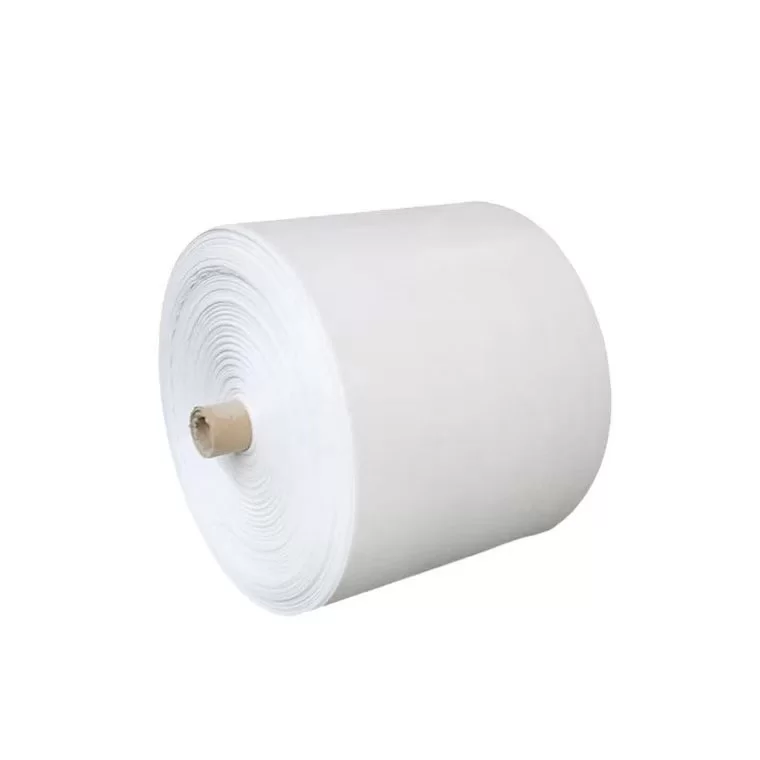 High Strength PP Woven Fabric Rolls China Factory and Professional Suppliers
-
 Industrial Block Bottom Valve Bags China Factory and Professional Packaging Suppliers


Hit enter to search or ESC to close


