
Comprehensive Guide to Woven PP Sacks for Global Trade and Packaging Solutions
March 09, 2026
Woven PP Sacks: A Comprehensive Guide for Global Trade
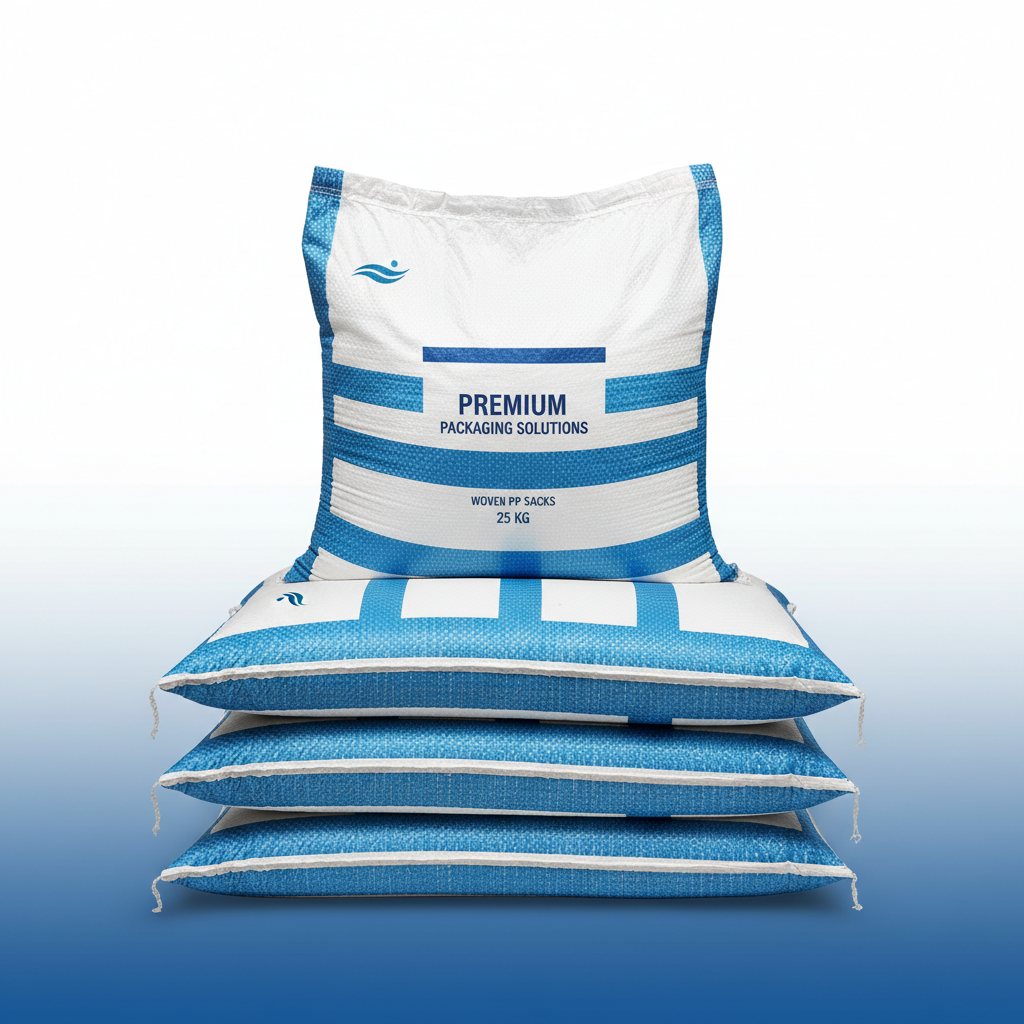
Woven PP sacks, also known as polypropylene sacks, are a versatile and cost-effective packaging solution widely used across numerous industries for storage and transportation of dry goods. From agricultural products like grains and fertilizers to industrial materials like chemicals and building materials, these sacks provide reliable protection and are a cornerstone of global trade. This article explores the key features, benefits, applications, and considerations when sourcing woven PP sacks, offering insights for businesses involved in international commerce.
Understanding the Core Benefits of Woven PP Sacks
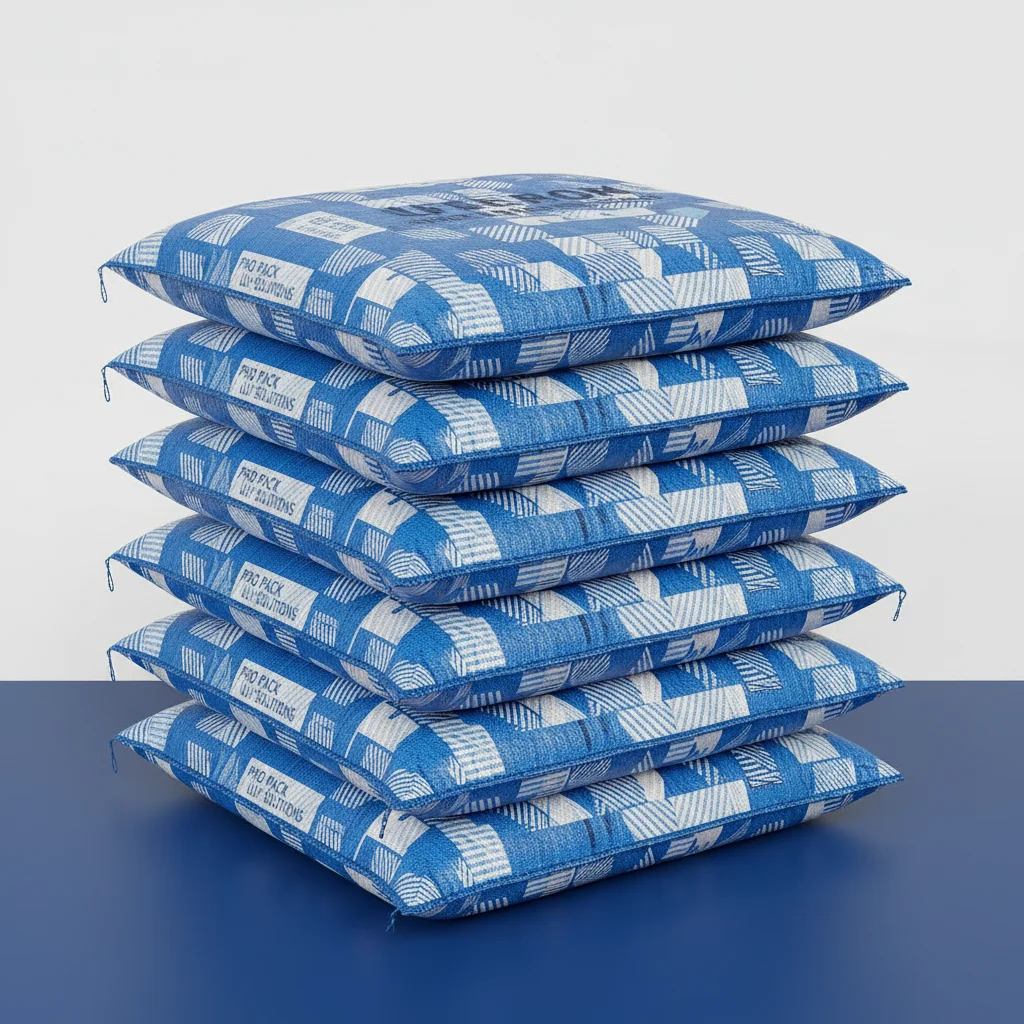
The popularity of woven PP sacks stems from a compelling combination of advantages. They are incredibly durable, offering excellent resistance to tearing and puncturing. Their lightweight nature reduces shipping costs, and their inherent moisture resistance protects contents from damage. Furthermore, woven PP sacks are recyclable, contributing to sustainable packaging practices. Crucially, they can be customized with printing, allowing for branding and product information. The versatility of PP sacks makes them suitable for a vast array of applications in international trade.
Key Highlights: Durable, lightweight, moisture-resistant, recyclable, and customizable for branding and product information.
Key Features to Consider When Choosing Woven PP Sacks
When selecting woven PP sacks for your business, several key features are paramount. Denier (D) refers to the yarn thickness – higher denier indicates greater strength. GSM (grams per square meter) measures the fabric weight; a higher GSM typically signifies increased durability. Lamination adds a protective layer, enhancing moisture resistance and printability. UV stabilization is crucial for sacks exposed to sunlight, preventing degradation. Consider also the sack’s construction – circular woven sacks are common, while flat woven sacks offer different characteristics. Understanding these features ensures you choose the optimal sack for your specific product and transportation needs.
Important Features:
• Denier (D): Yarn thickness affecting strength
• GSM (grams per square meter): Fabric weight and durability
• Lamination: Added moisture resistance and printability
• UV stabilization: Protects against sunlight degradation
Woven PP Sacks: Applications Across Industries
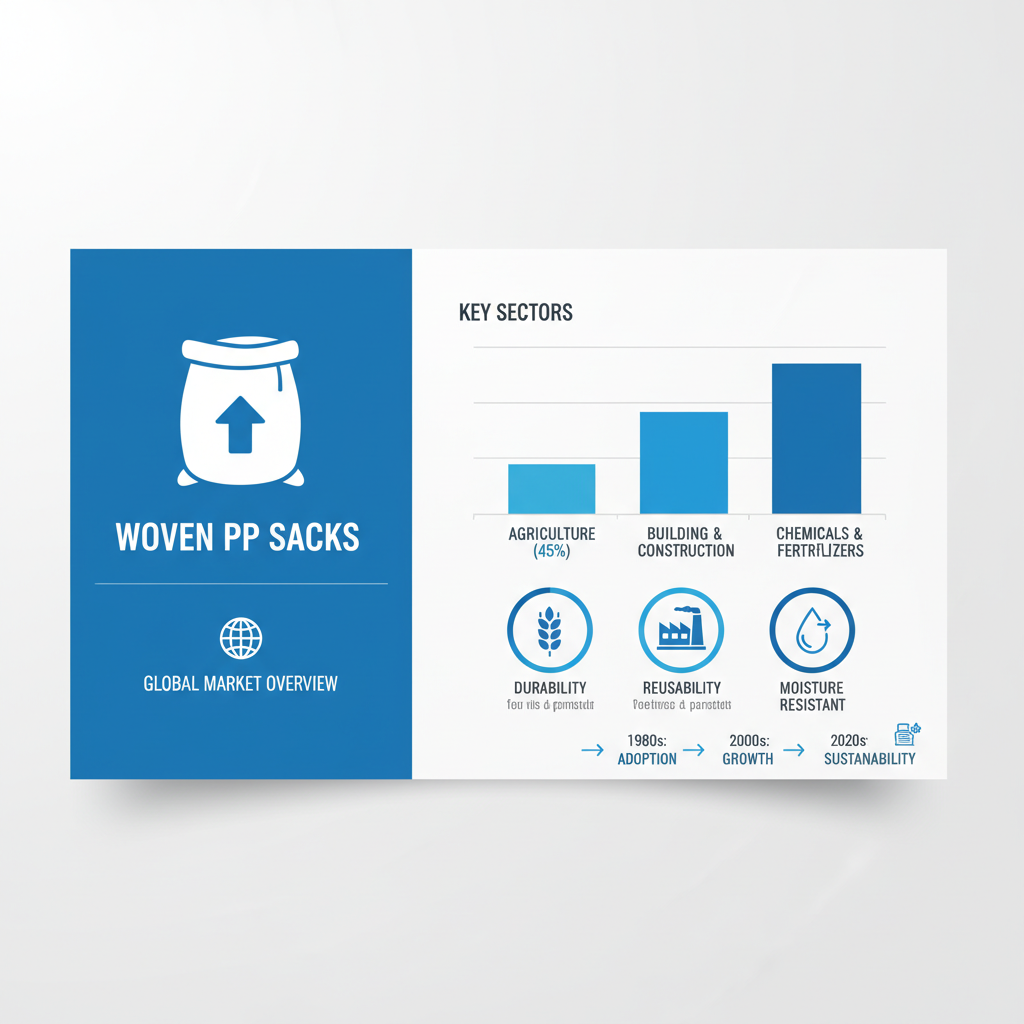
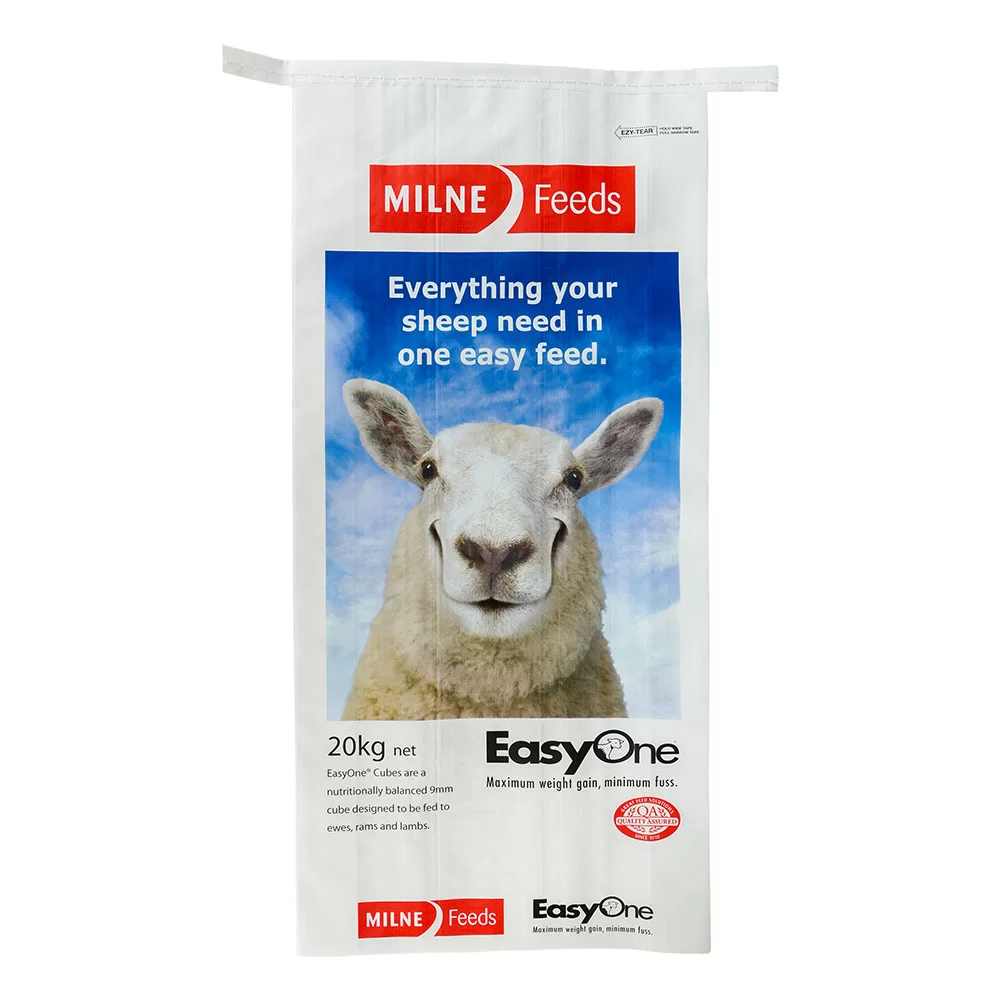
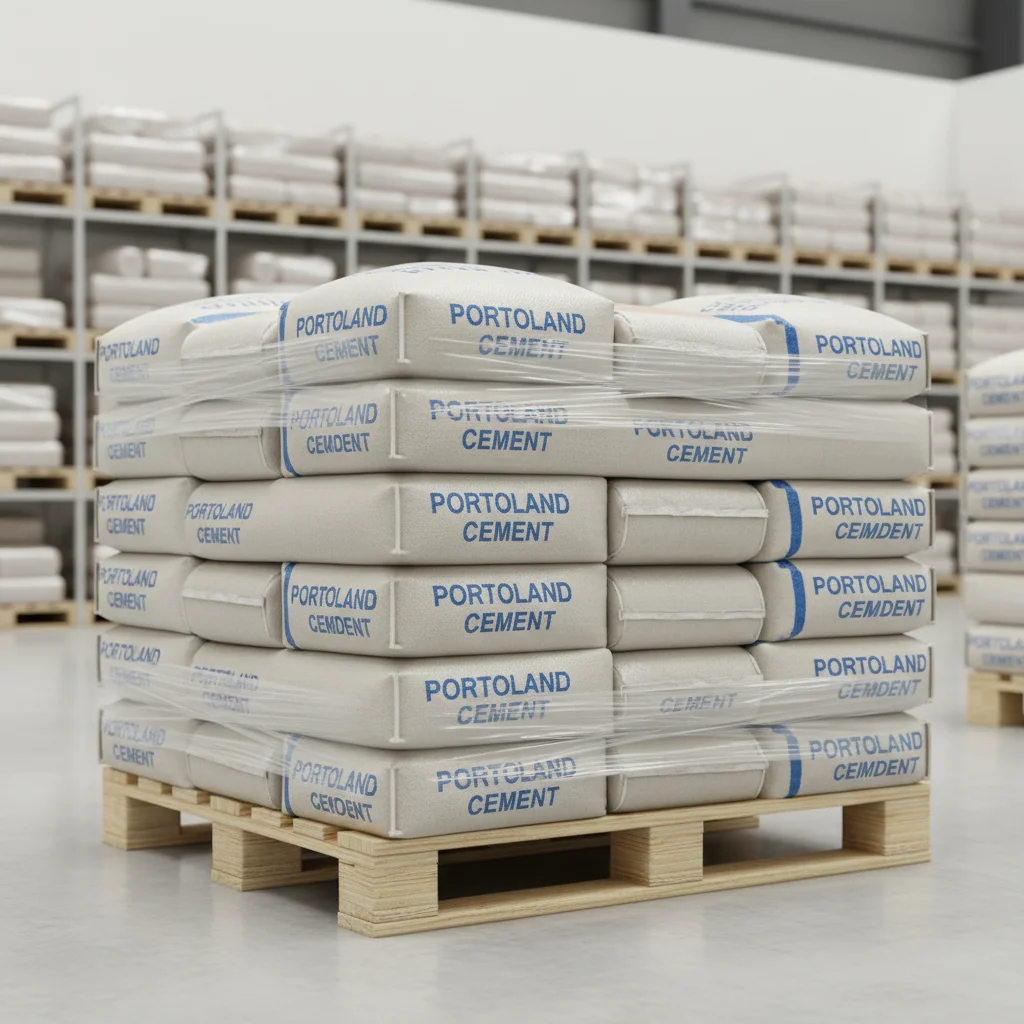
The versatility of woven PP sacks makes them indispensable across a wide spectrum of industries. In agriculture, they are used for packaging grains, seeds, animal feed, and fertilizers. The construction industry utilizes them for cement, sand, and building materials. The chemical industry relies on them for safely transporting powdered and granular chemicals. Furthermore, they are prevalent in the food processing industry for packaging flour, sugar, and other dry food products. Their adaptability and cost-effectiveness make them a preferred choice for businesses of all sizes engaged in global trade.
Comparing Woven PP Sack Types: Features and Applications
Different types of woven PP sacks cater to specific needs. Circular woven sacks, made from twisted yarns woven in a circular pattern, are known for their high strength and durability. Flat woven sacks, created from flat yarns, are often more cost-effective and suitable for lighter-weight applications. Laminated sacks offer enhanced protection against moisture and contamination, while unlaminated sacks are ideal for dry goods that don't require this level of protection. The choice depends on the product being packaged, transportation conditions, and budget constraints.
Sourcing Woven PP Sacks: Considerations for Global Trade
When sourcing woven PP sacks from international suppliers, careful consideration is essential. Verify the supplier’s certifications (ISO 9001, etc.) to ensure quality control. Obtain samples to assess the sack's strength, weave density, and print quality. Negotiate pricing and payment terms, factoring in shipping costs and import duties. Clearly define your specifications, including denier, GSM, lamination type, and UV stabilization requirements. Partnering with a reputable supplier like SSJT Pack can streamline the process and ensure a reliable supply of high-quality woven PP sacks.
Conclusion: The Enduring Value of Woven PP Sacks
Woven PP sacks remain a vital packaging solution for global trade, offering a compelling combination of cost-effectiveness, durability, and versatility. By understanding the key features, applications, and sourcing considerations, businesses can optimize their packaging strategies and ensure the safe and efficient transportation of their goods. Choosing a reliable supplier like SSJT Pack guarantees quality and consistency.
Frequently Asked Questions (FAQs)
What is the typical lead time for ordering woven PP sacks?
The lead time for woven PP sacks typically ranges from 20 to 45 days, depending on the order quantity, customization requirements, and the supplier's production schedule. Larger orders and complex customization (e.g., custom printing, lamination) usually require longer lead times. It's crucial to discuss the lead time with your supplier upfront and factor it into your production and shipping plans. Confirming production capacity and material availability is also important to avoid delays. Working with a reliable supplier like SSJT Pack helps ensure timely delivery.
Are woven PP sacks suitable for food packaging?
Yes, woven PP sacks can be used for food packaging, but it's essential to ensure they meet relevant food safety standards. Food-grade PP sacks are typically laminated with a food-grade polyethylene (PE) layer to provide a barrier against moisture and contaminants. It's crucial to verify that the supplier can provide certifications confirming compliance with regulations such as those set by the FDA (in the US) or EFSA (in Europe). Always request a Certificate of Compliance (COC) to ensure the sacks are safe for direct food contact.
What are the options for customizing woven PP sacks?
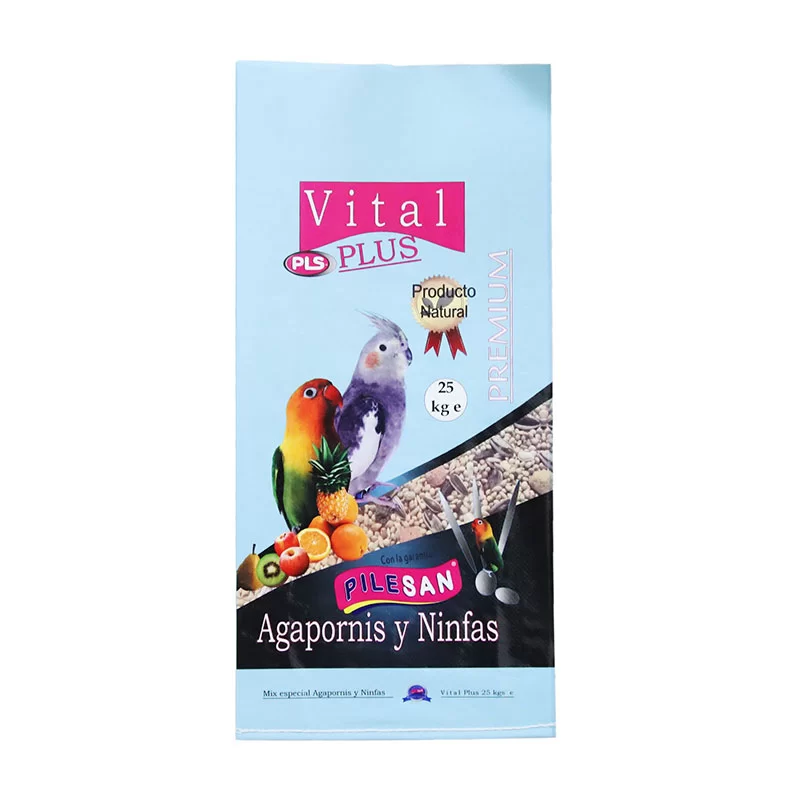
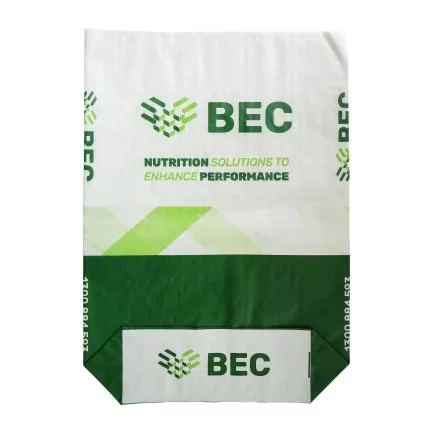
Woven PP sacks offer numerous customization options. The most common is printing, which can include logos, product information, and branding elements. Printing can be single-sided or double-sided, and a variety of ink colors are available. Lamination can also be customized with different colors and thicknesses. Furthermore, sack dimensions, denier, GSM, and UV stabilization can be tailored to your specific requirements. Suppliers like SSJT Pack offer comprehensive customization services to meet diverse client needs.
Hit enter to search or ESC to close


